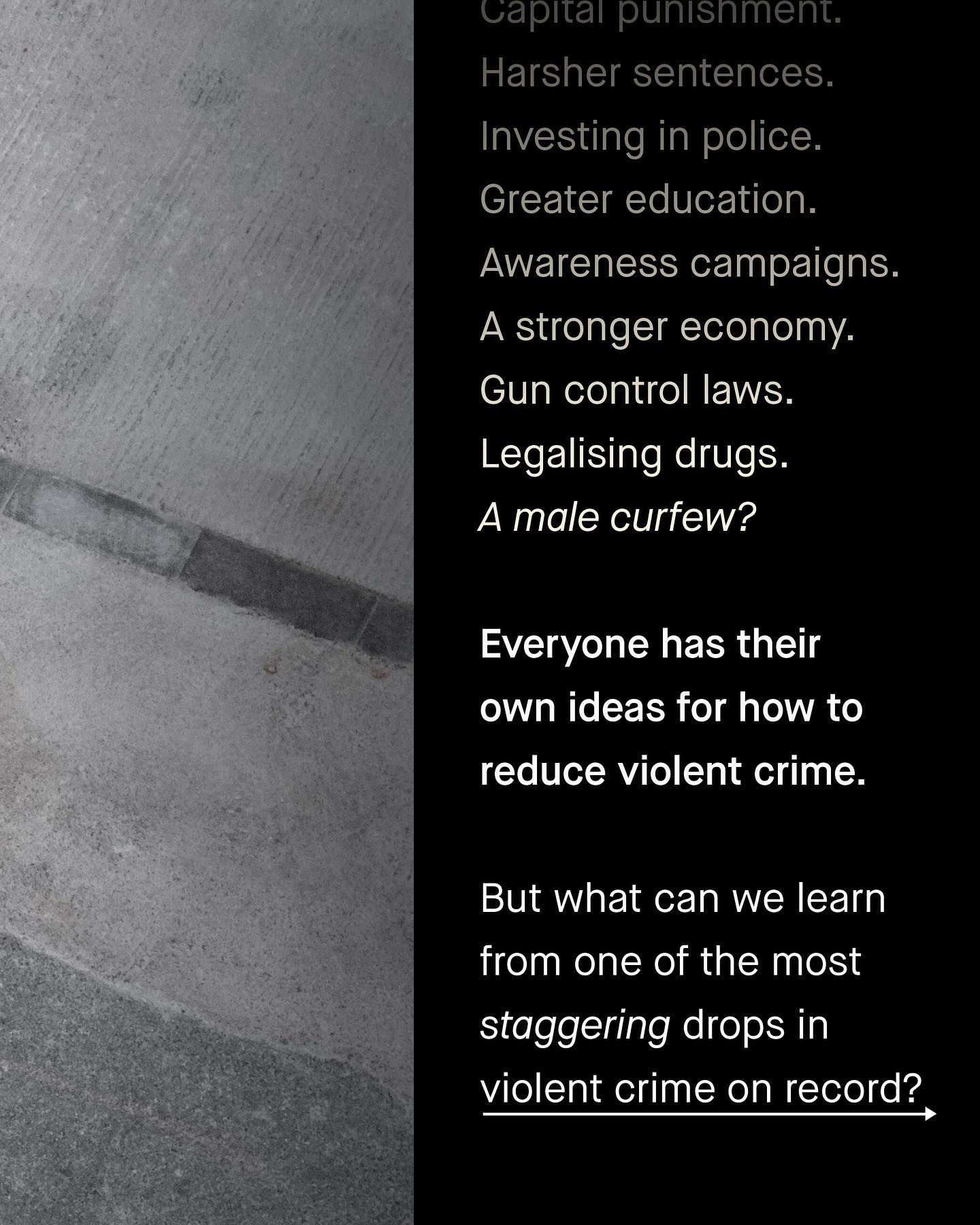

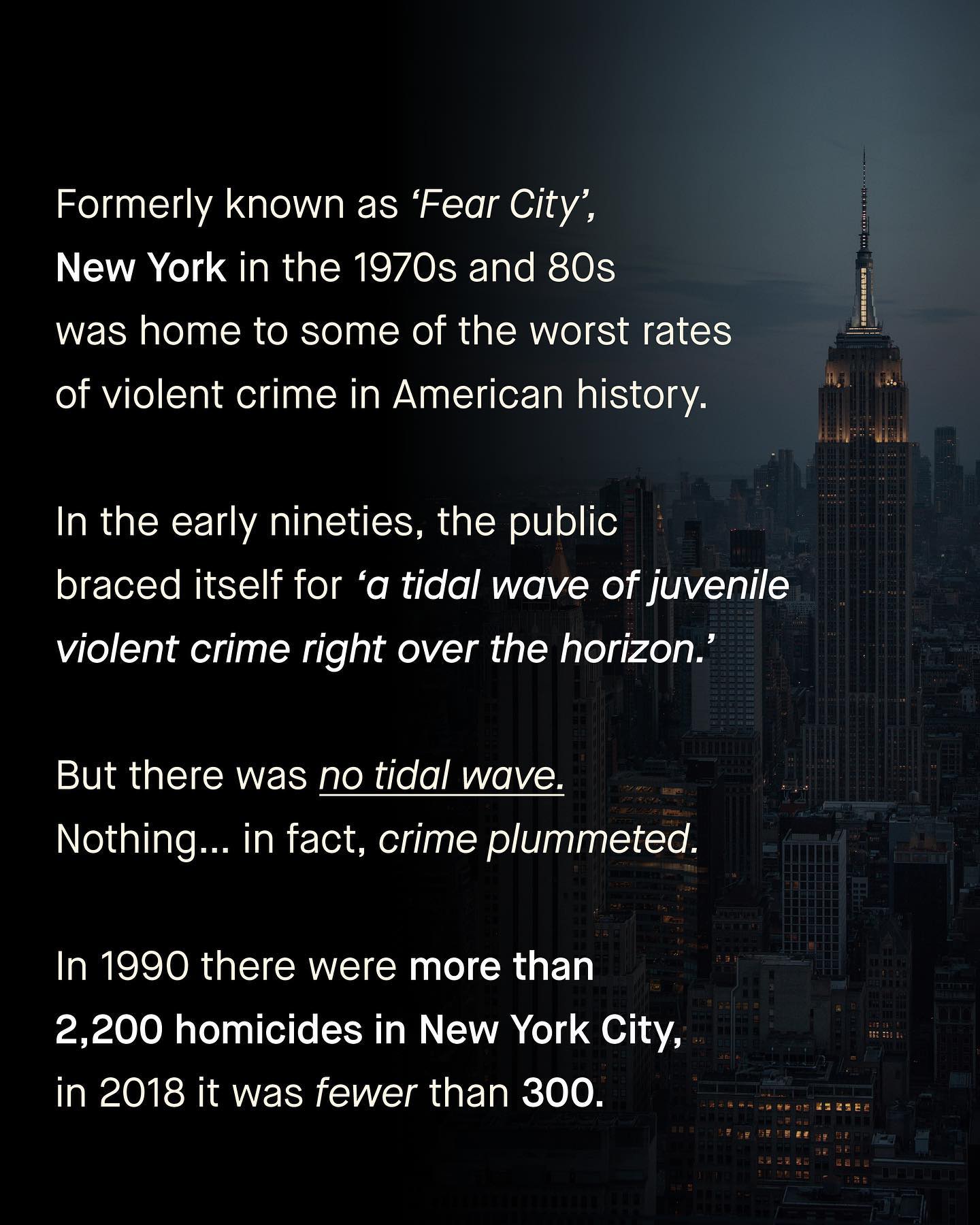
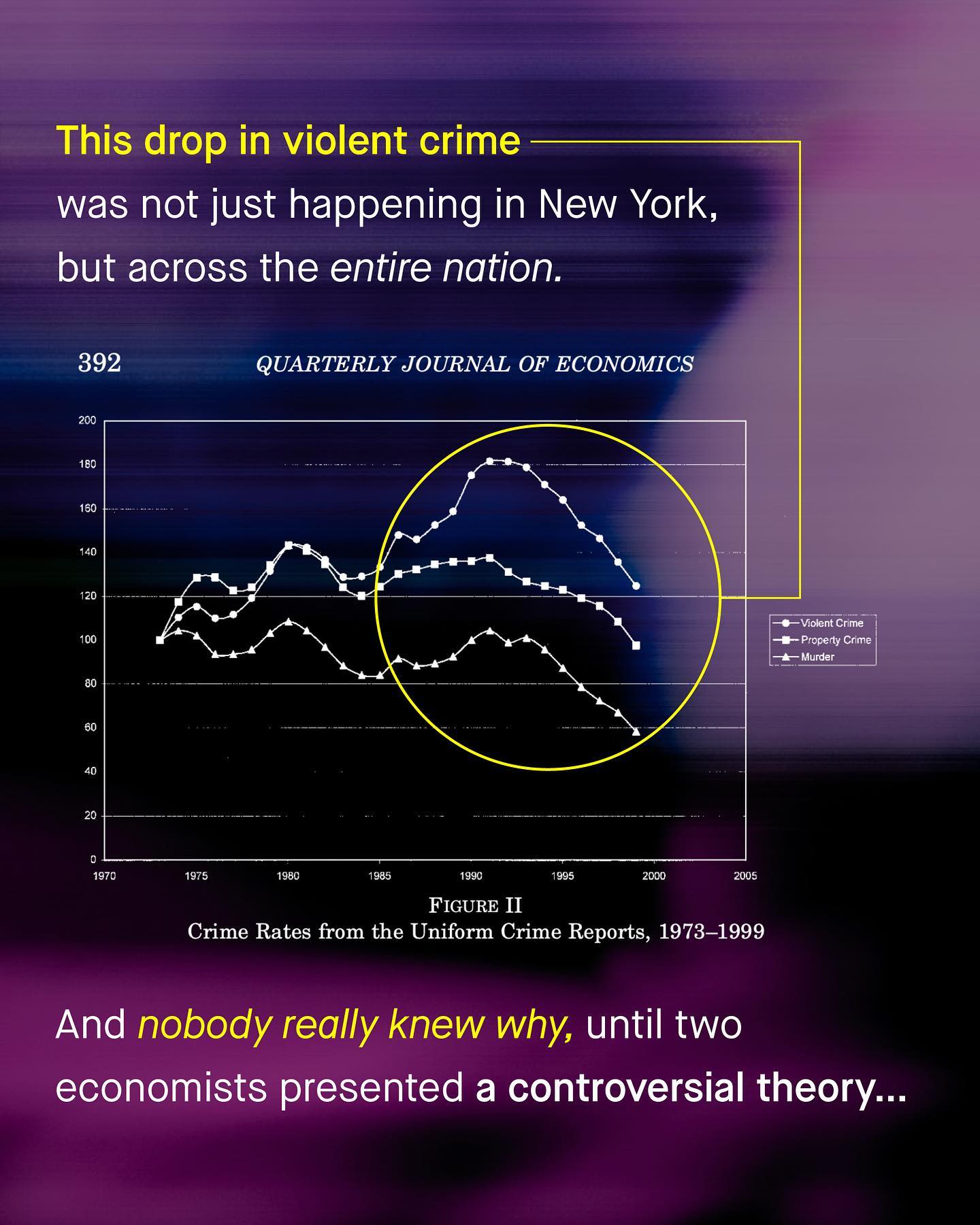
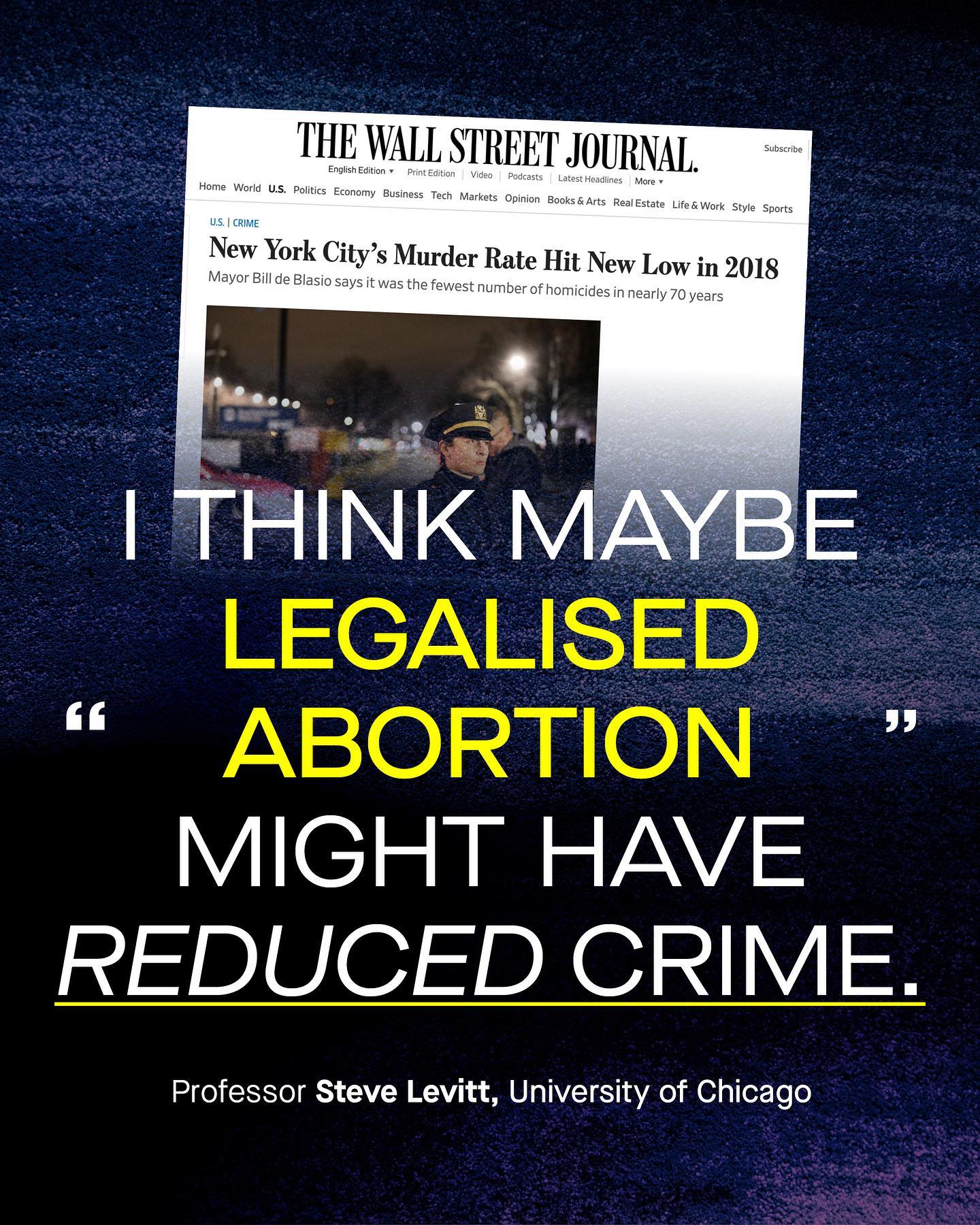
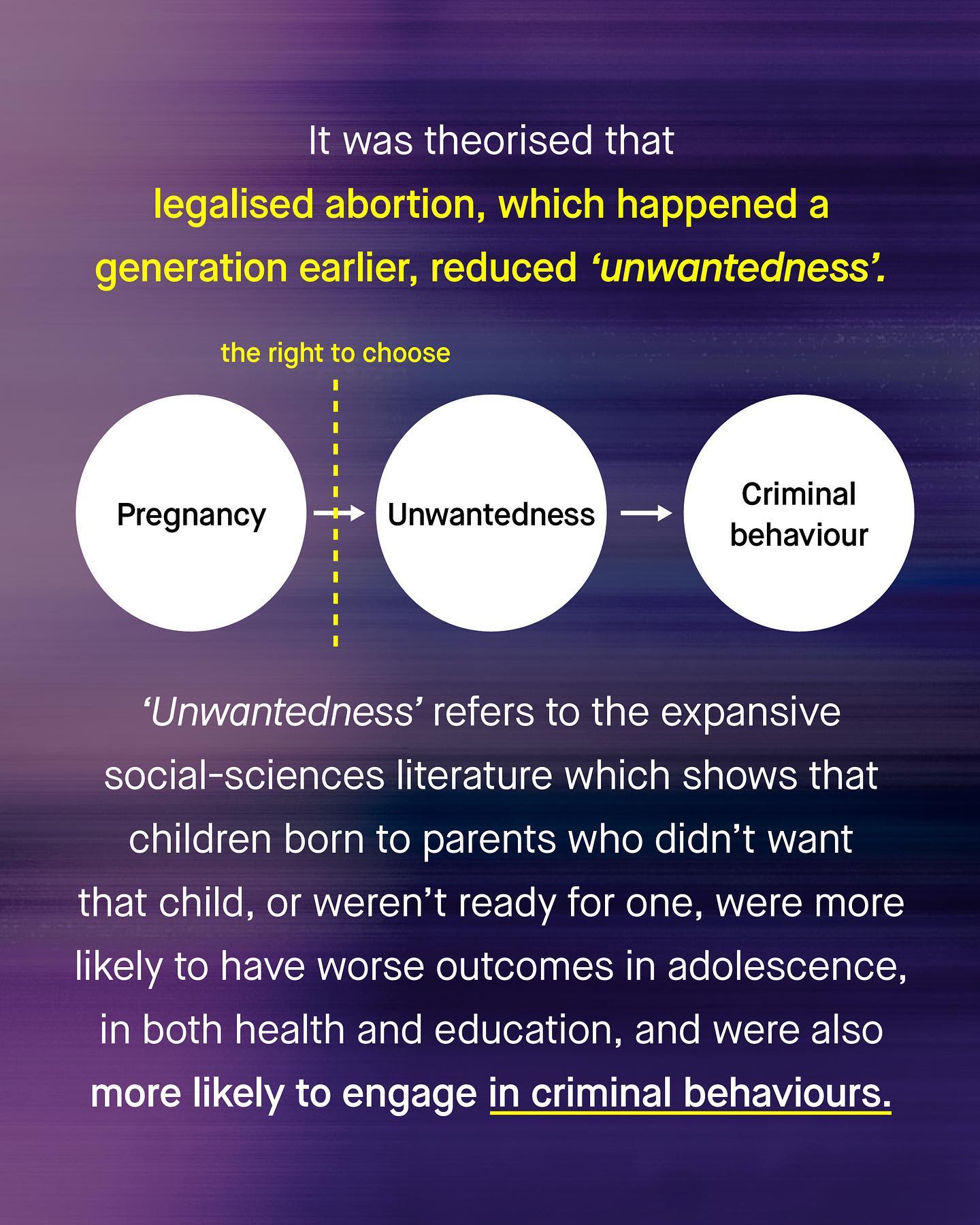
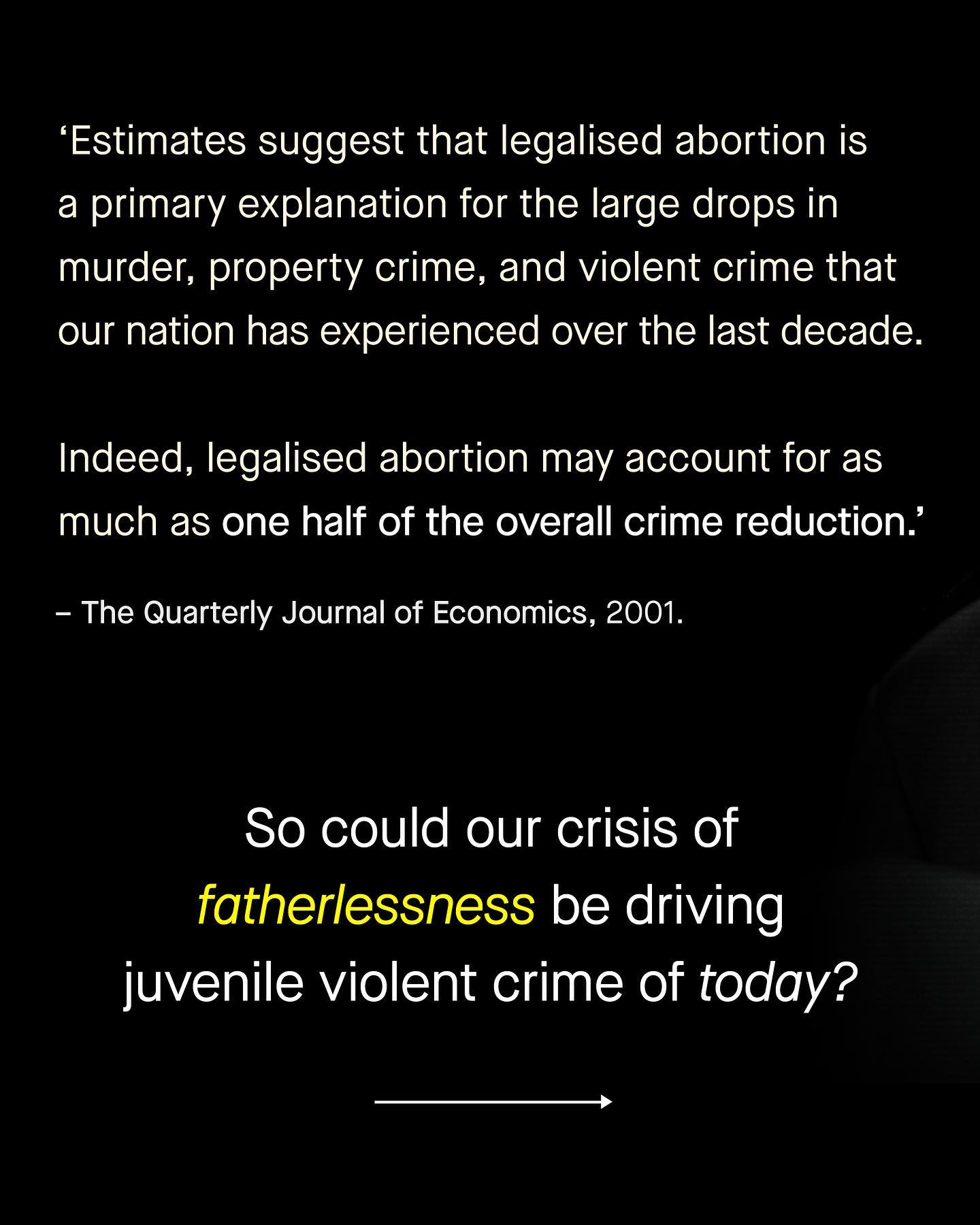
How do we fight violent crime? It’s a subject of discussion fought valiantly in the trenches of social media, often with virtuous calls for ‘accountability’, with any kind of solution placed solely at the feet of ‘men’. But as I shared recently, the majority (63%) of violent crime is perpetrated by a tiny majority of people (1%), meaning any calls to “do better”, will almost certainly be heard by those who already are. For me, a better solution is to look at the times and places where violent crime radically and consistently dropped, to learn from the success of others… And one of those places is New York in the 1990s. In the year 1990, New York, formerly known as ‘Fear City’ experienced 2,200 murders a year, whilst in 2018 that number has dwindled to less than 300 – so what happened? Was it gun restriction? Police training? Or a booming economy? Could it be new pernicious drug laws? Was it harsher sentences, education in school, or public awareness campaigns? Well, as police and politicians scrambled to take the credit, each presenting their own theory… none seemed to really fit. That was until a new hypothesis arrived, a highly controversial one, presented by two economists from Stanford and Chicago, that was based on one thing – women’s right to choose. So do reproductive rights have an impact on reducing violent crime? Let’s talk about the Donohue Levitt Hypothesis. ~ There’s also a great podcast about it here Image by Luther Bottrill, Agreen G, Dan Cristian Padure, Gradienta, Humphrey Muleba, Christian Di Fede, Jason Leung, and Black Kiwi Hug from Unsplash. #violenceagainstwomen #reproductiverights #criminalminds #psychology #violence
2023-02-19