
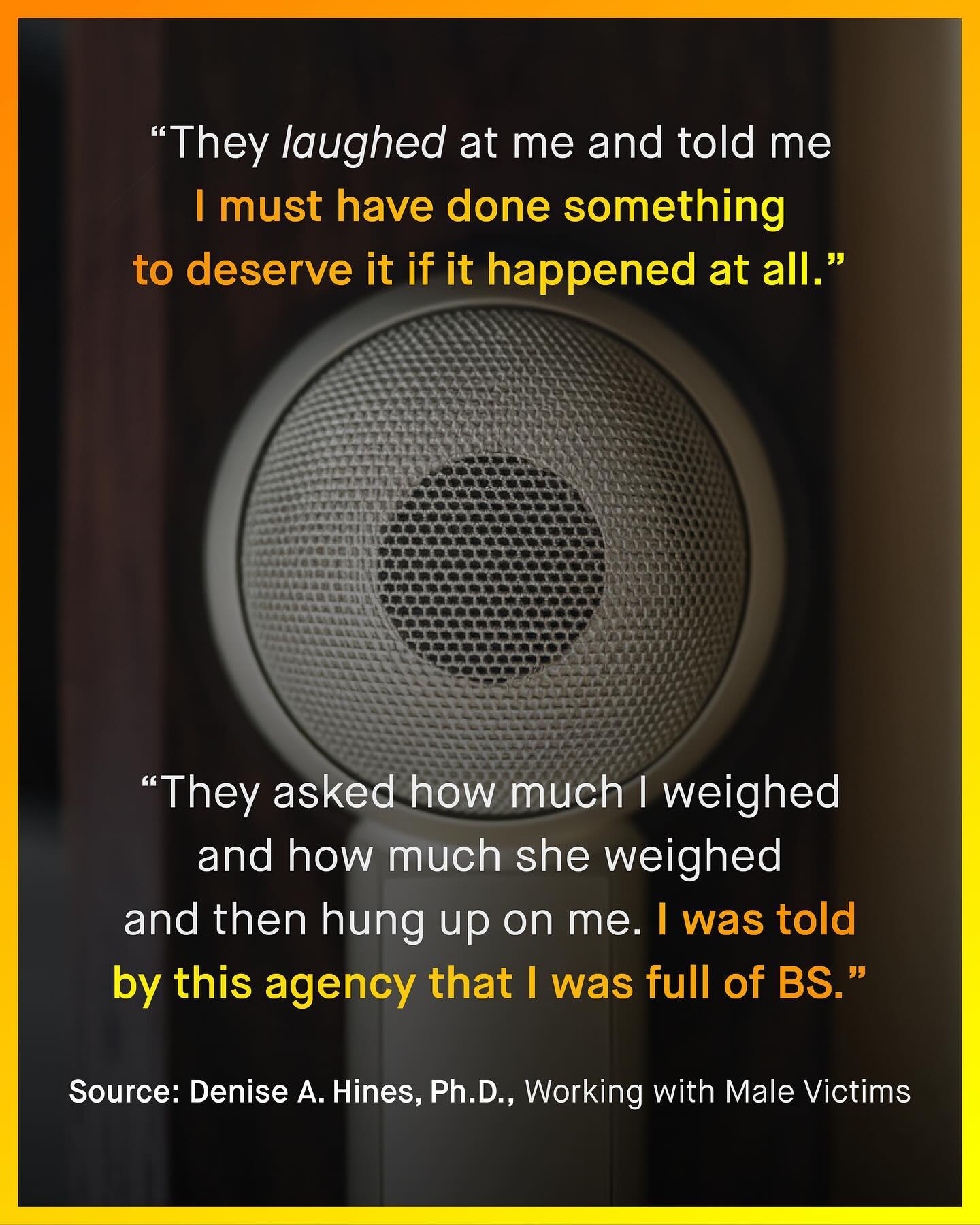
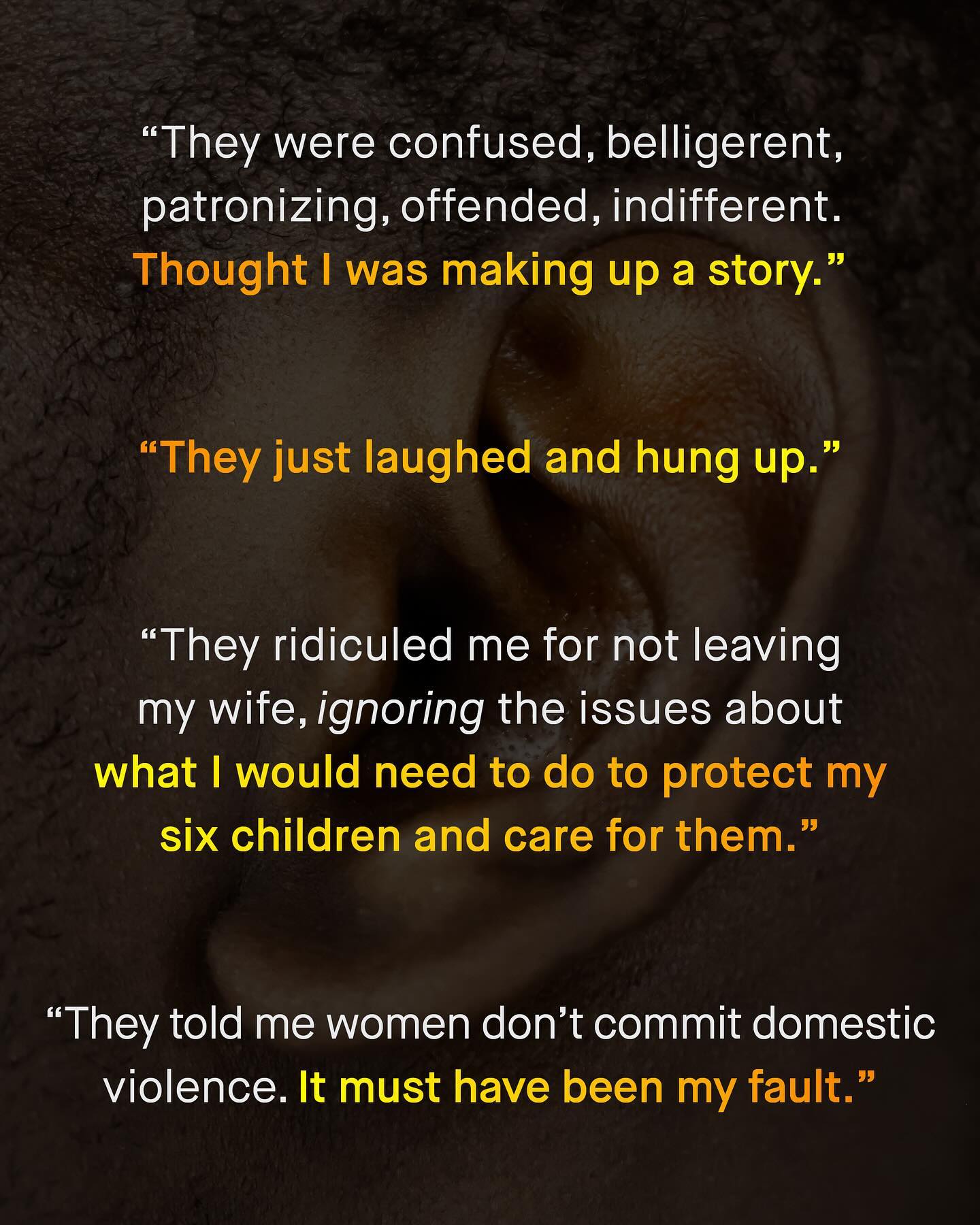
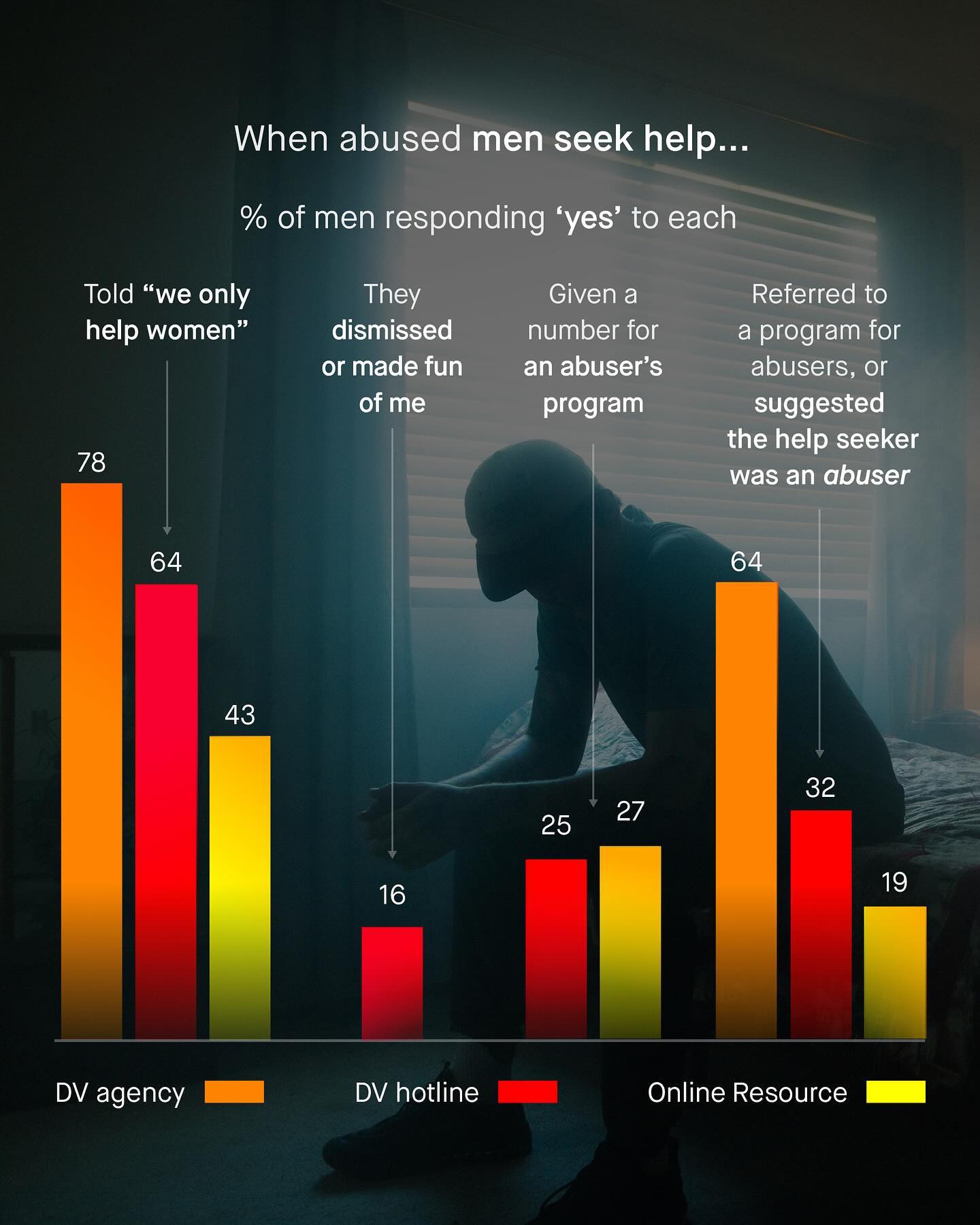
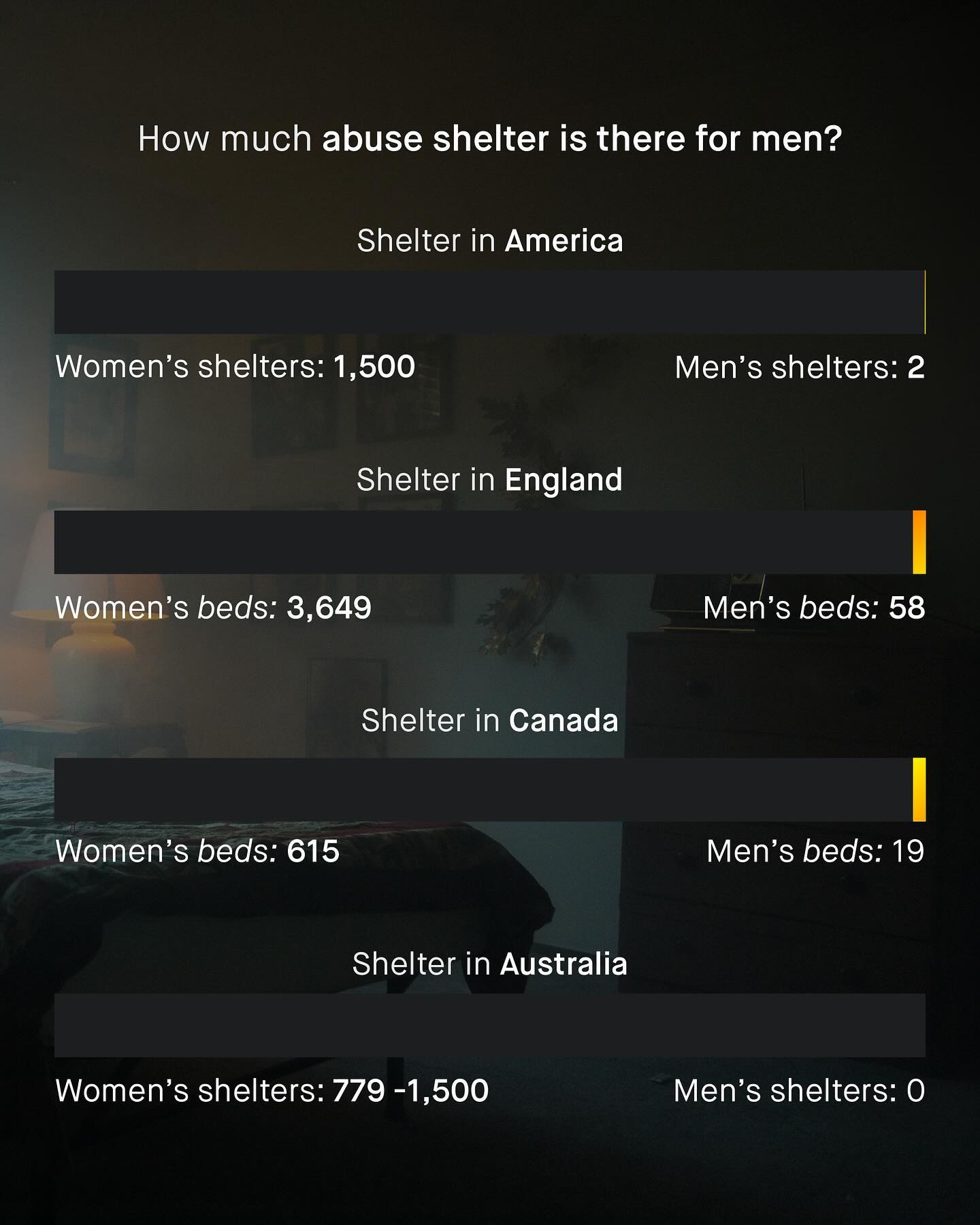
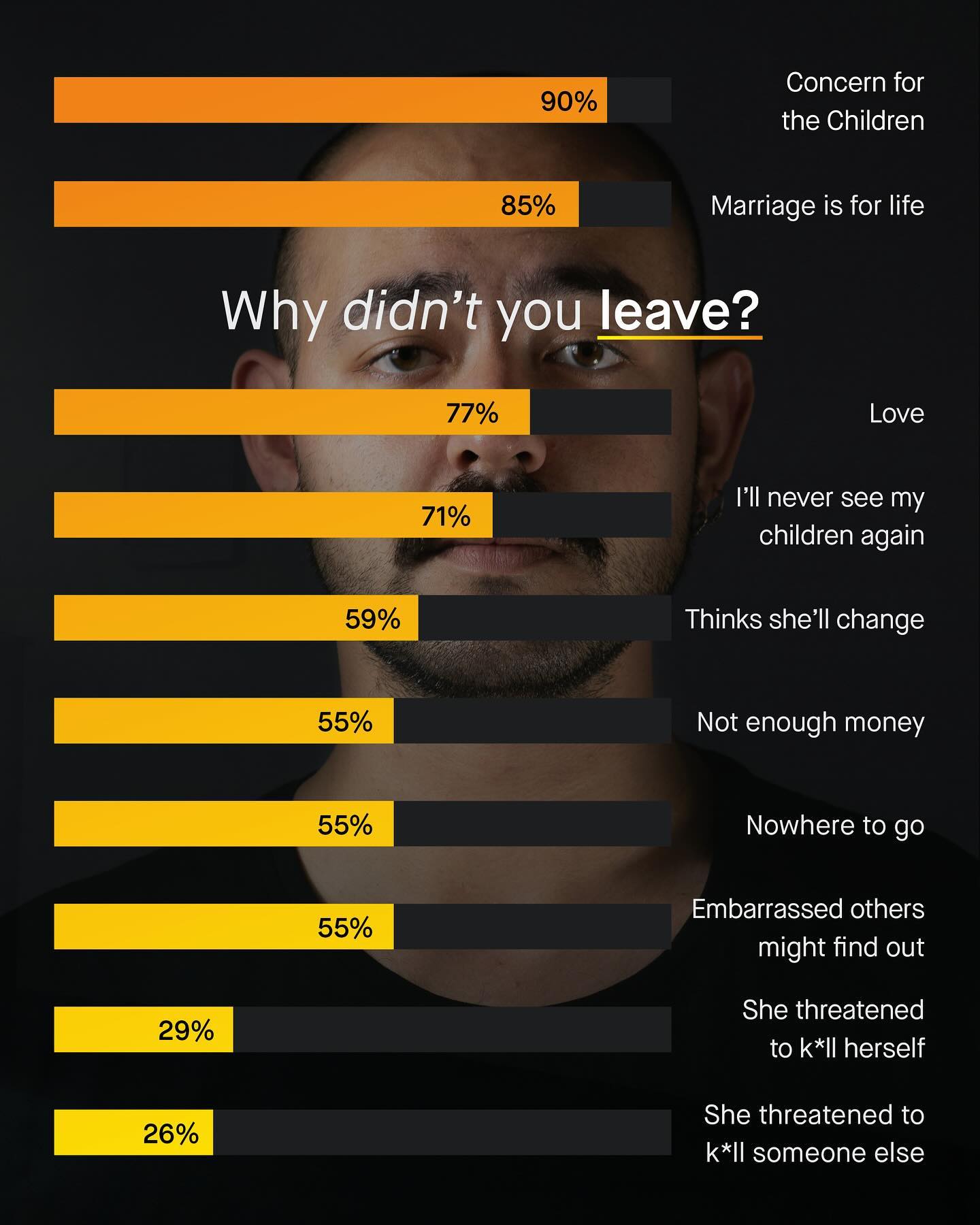
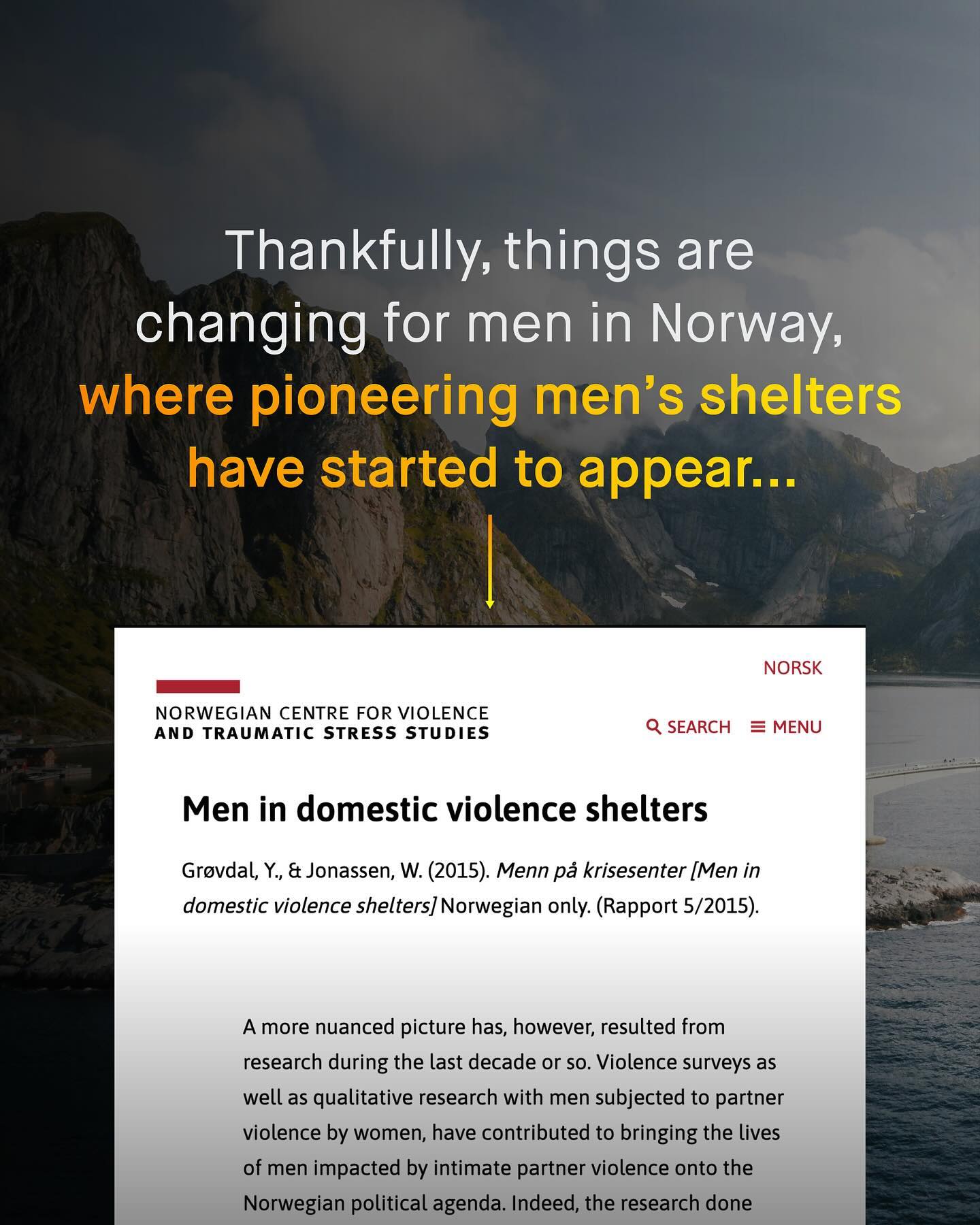
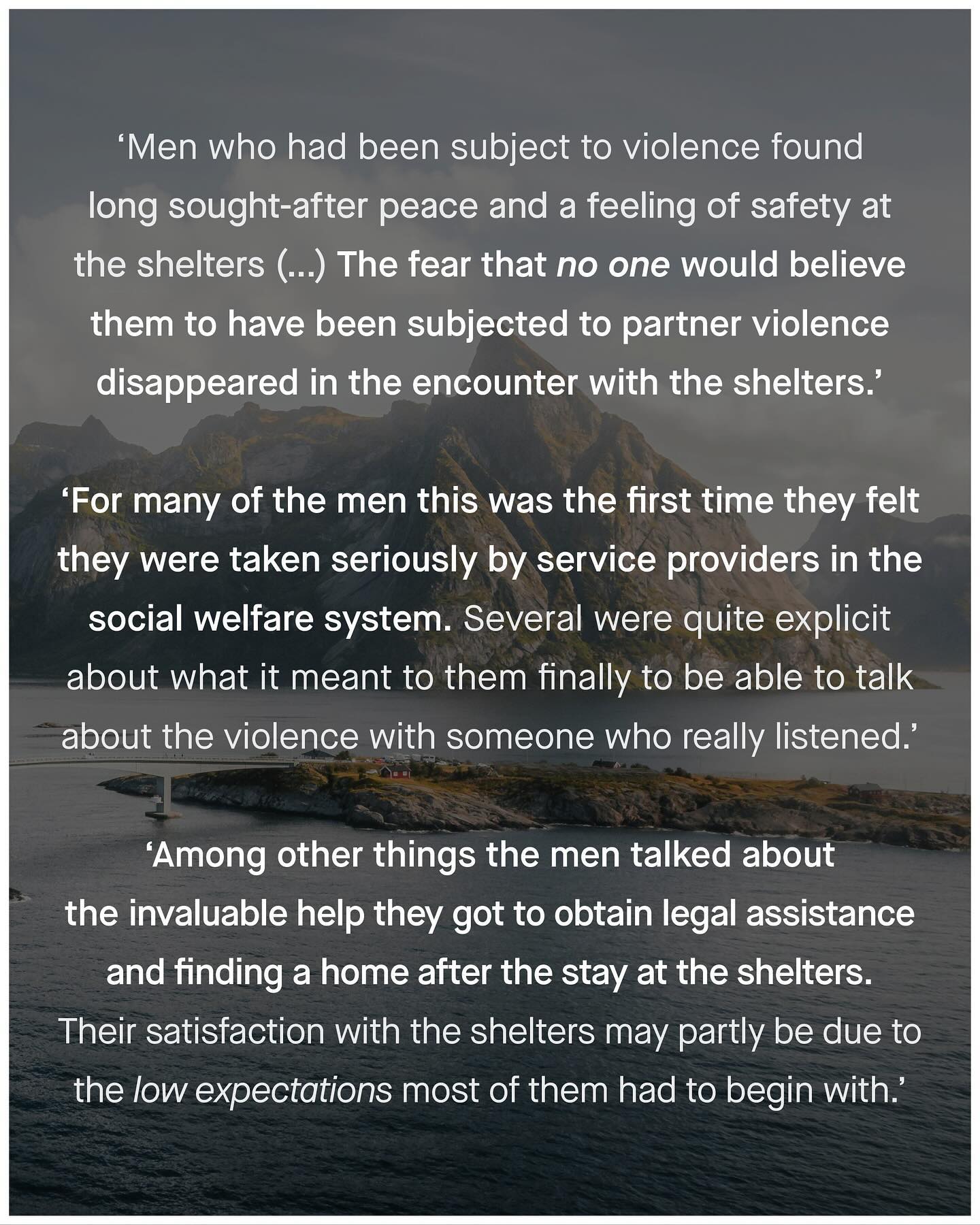
The battle for men’s mental health, is fought with a sword and shield of ‘men can talk… be vulnerable… ask for help… open up’. Men overcoming such stigma, is a fight many are winning, but has anyone ever stopped to ask: what happens to such men when they do ask for help? When, after months, or even years of abuse, they finally pick up the phone, allow themselves to be vulnerable, and ask for help? What happens next, breaks my heart. Because, the response, for so many, is nothing short of a disgrace, and a failure of basic human decency. Thankfully researchers like Associate Professor Dr Denise Hines, have gone beyond the platitudes, to ask the men making these calls, what happened next? Nearly eight in ten were told “we only help women”, and left to fend for themselves. One in three were referred to a batterer’s programme, intended for abusers, not victims. And one in six were dismissed, or laughed at. Such men are victimised twice, first by their abuser, and then by the domestic violence industry themselves. And those who seek physical shelter can expect less help than this, for none exists, with just a handful of men’s shelters, or usually, none at all. The best such men can hope for, is a place in a local hotel, or worse, a homeless shelter, neither offering therapeutic support, or are suitable for children, or provide the safeguarding of women’s refuges. So no. Why would a man suffering abuse ask for help, when the services and shelters they’re calling, have proven themselves entirely unfit to help them? But in some places, things are changing… Norway, as it does in so many areas, are leading the way, tentatively opening shelters for abused men, and the response has been incredible. These men, finally, are seen, believed, and listened to; not mocked, victim blamed, or vilified. Their gratitude and recovery warms the heart, and obliterates another myth; that ‘abused men don’t need shelter’. So the question is, will others follow? Will we listen to the experiences of such men, or will we just endlessly encourage them to seek help, whilst refusing to listen to the tragic, and criminal response they so often get back? What do you think?
2024-10-02