
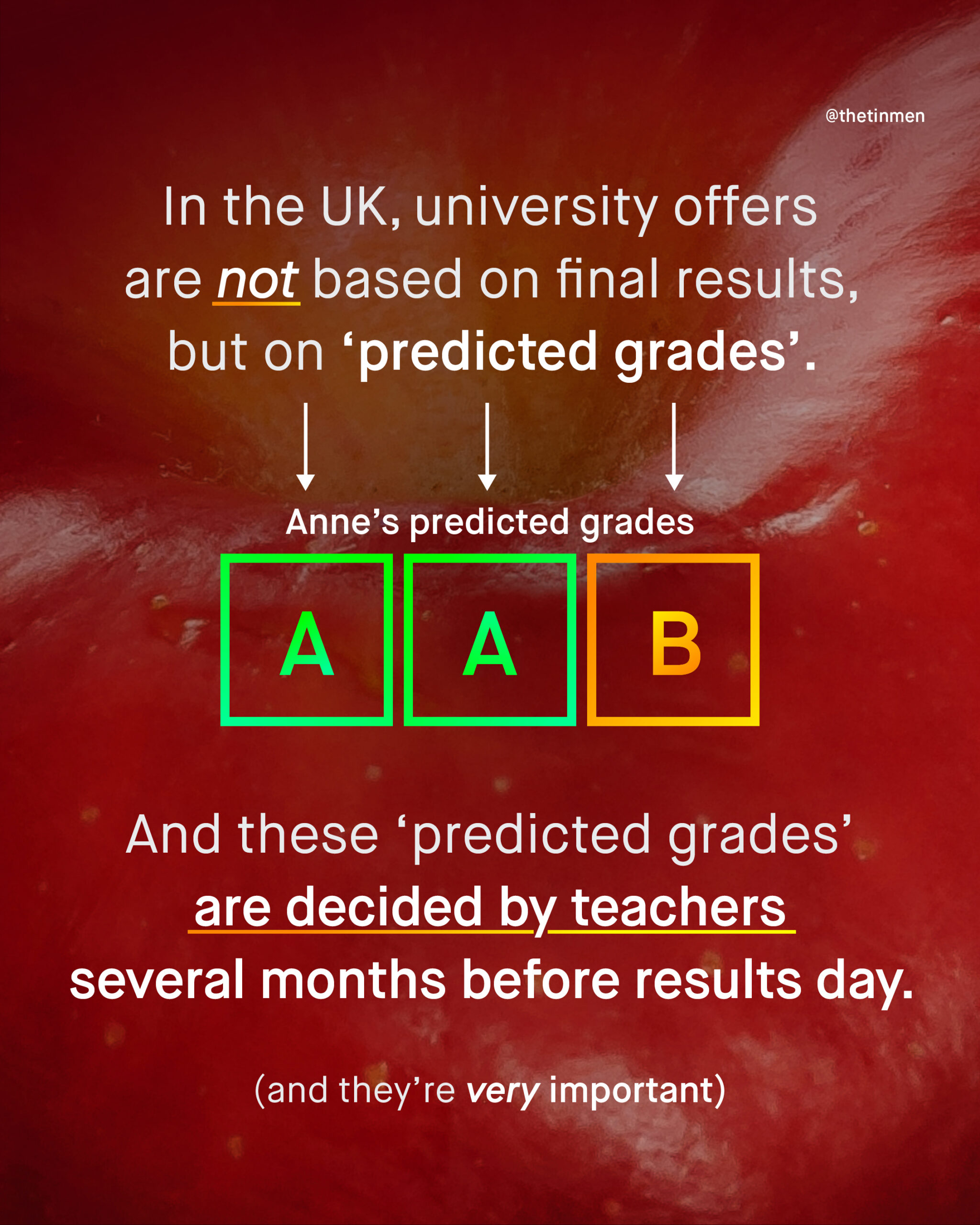
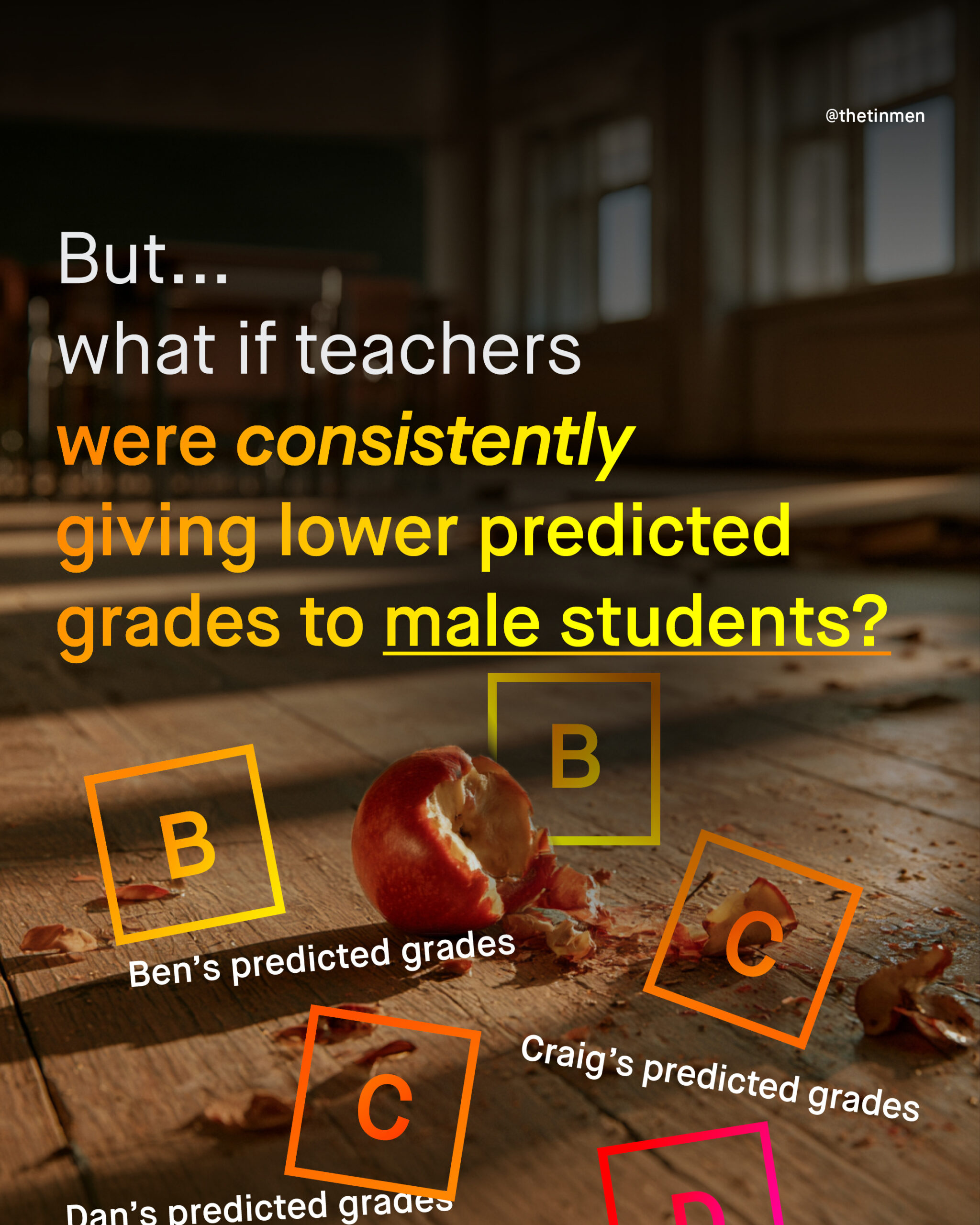
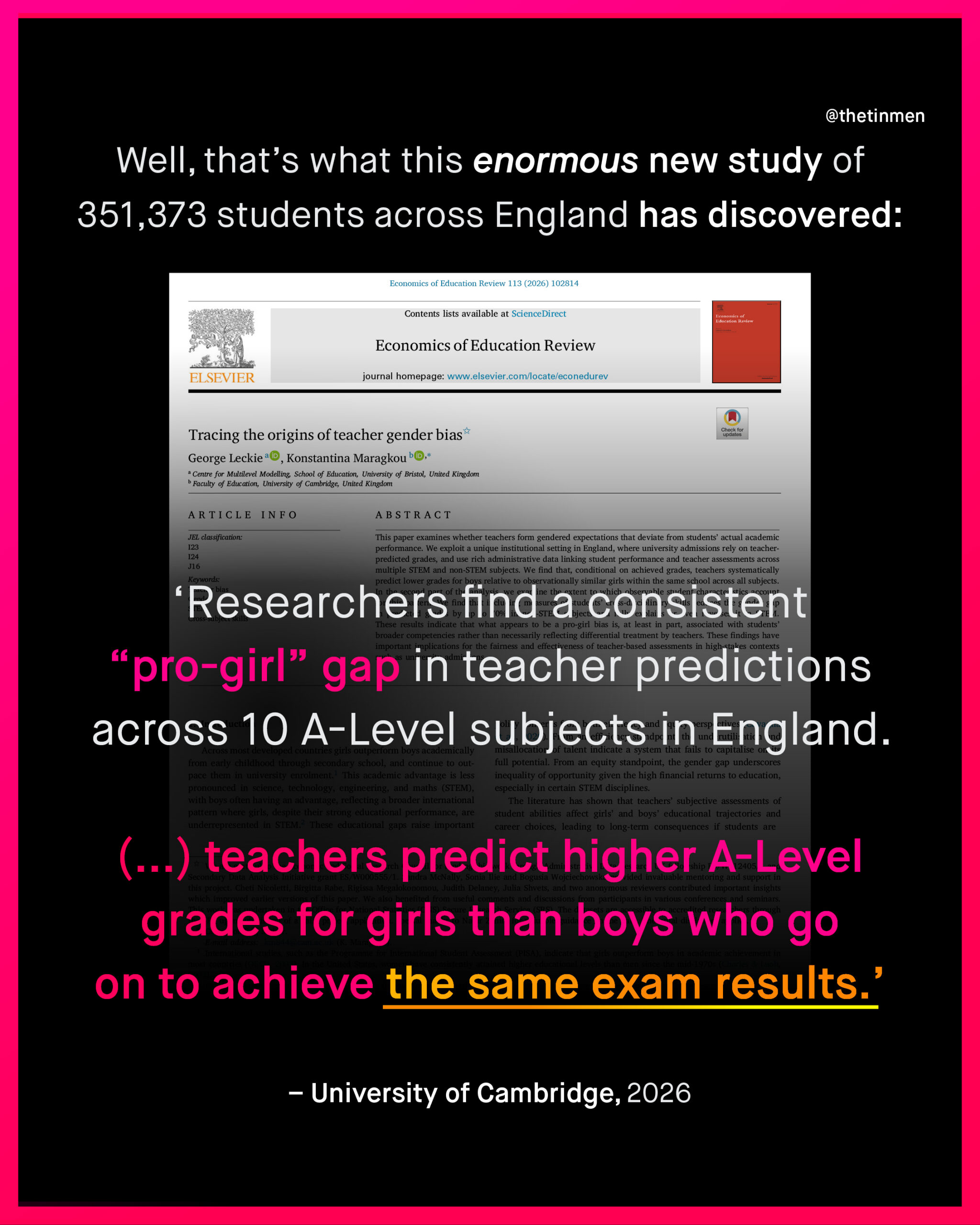
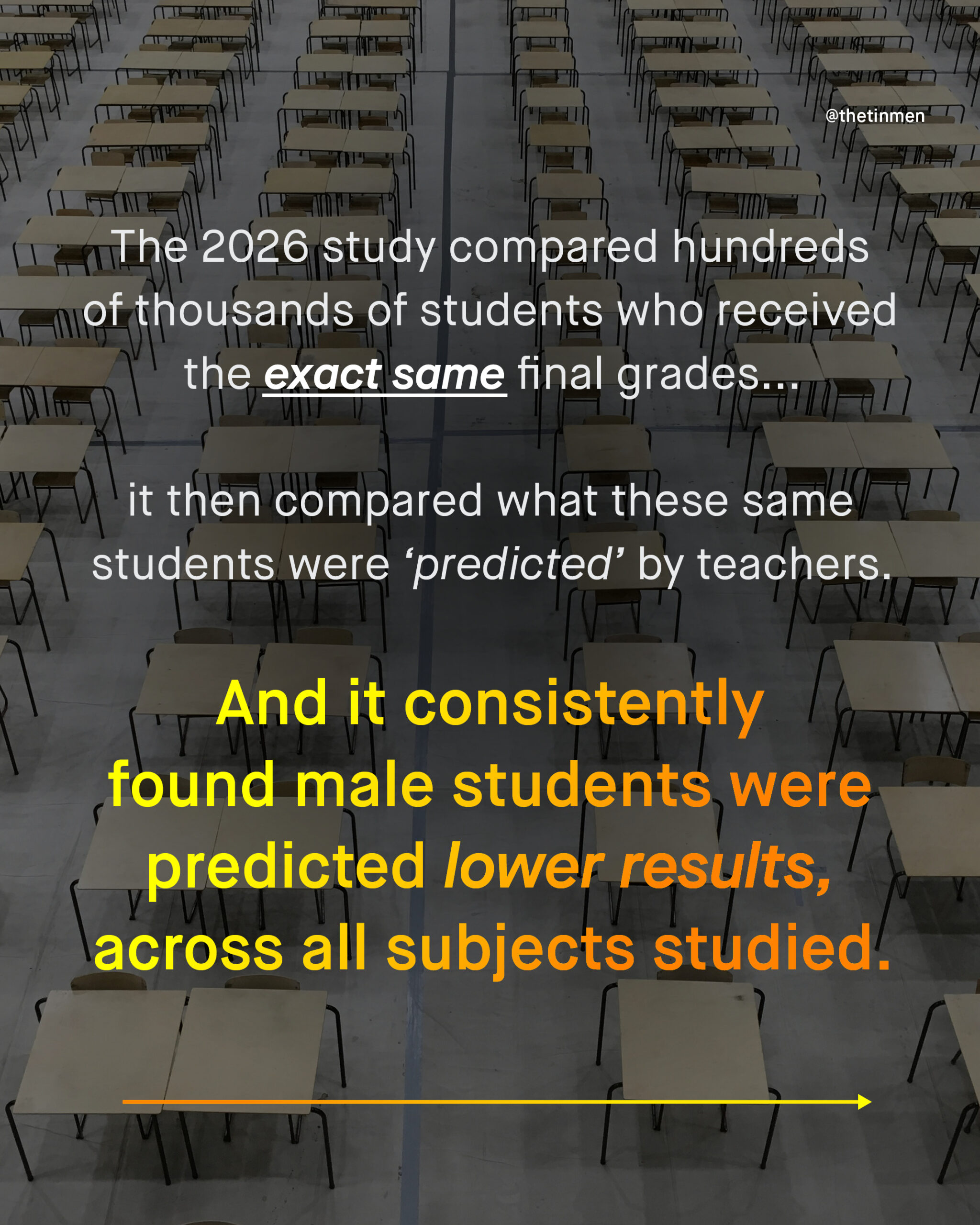
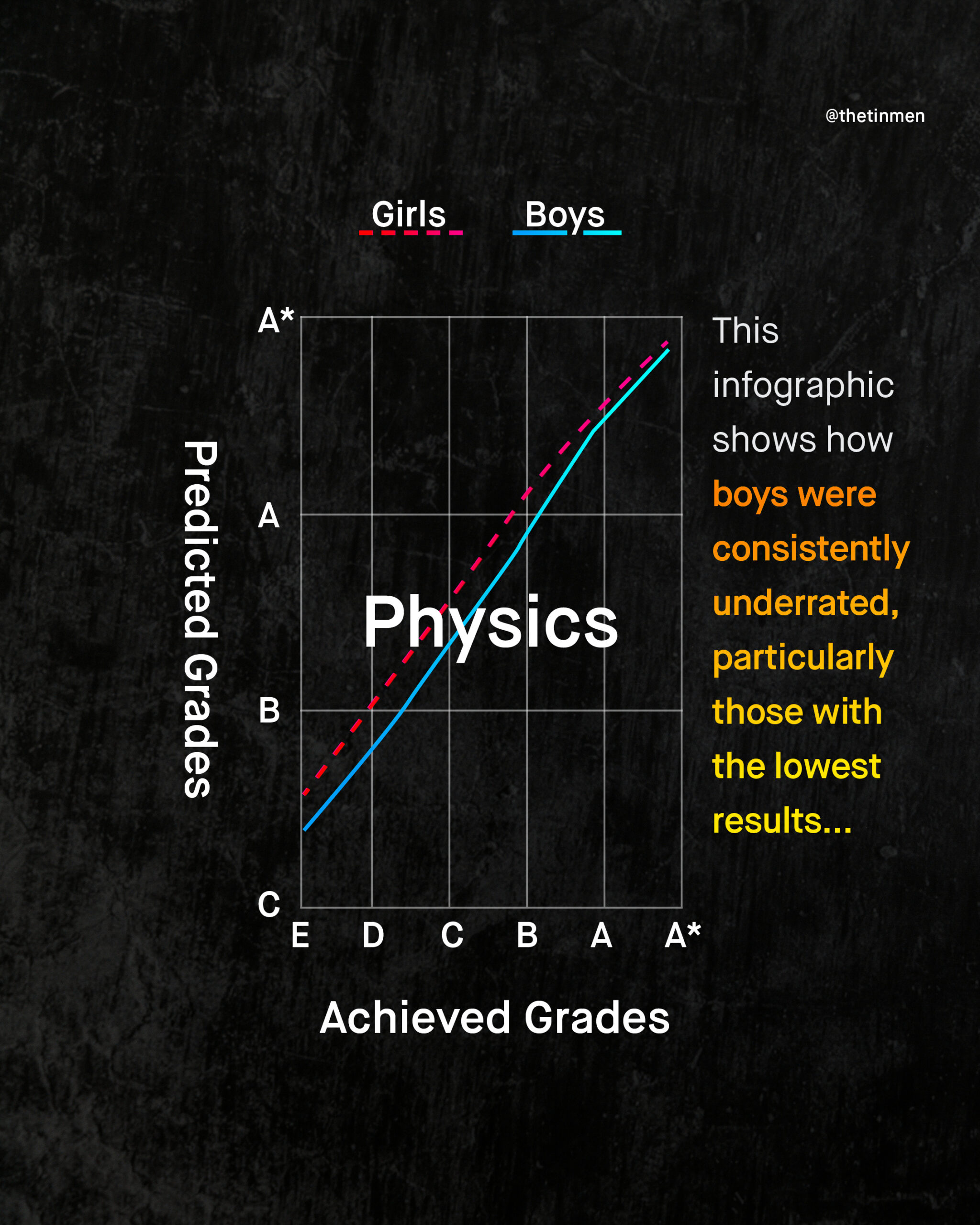
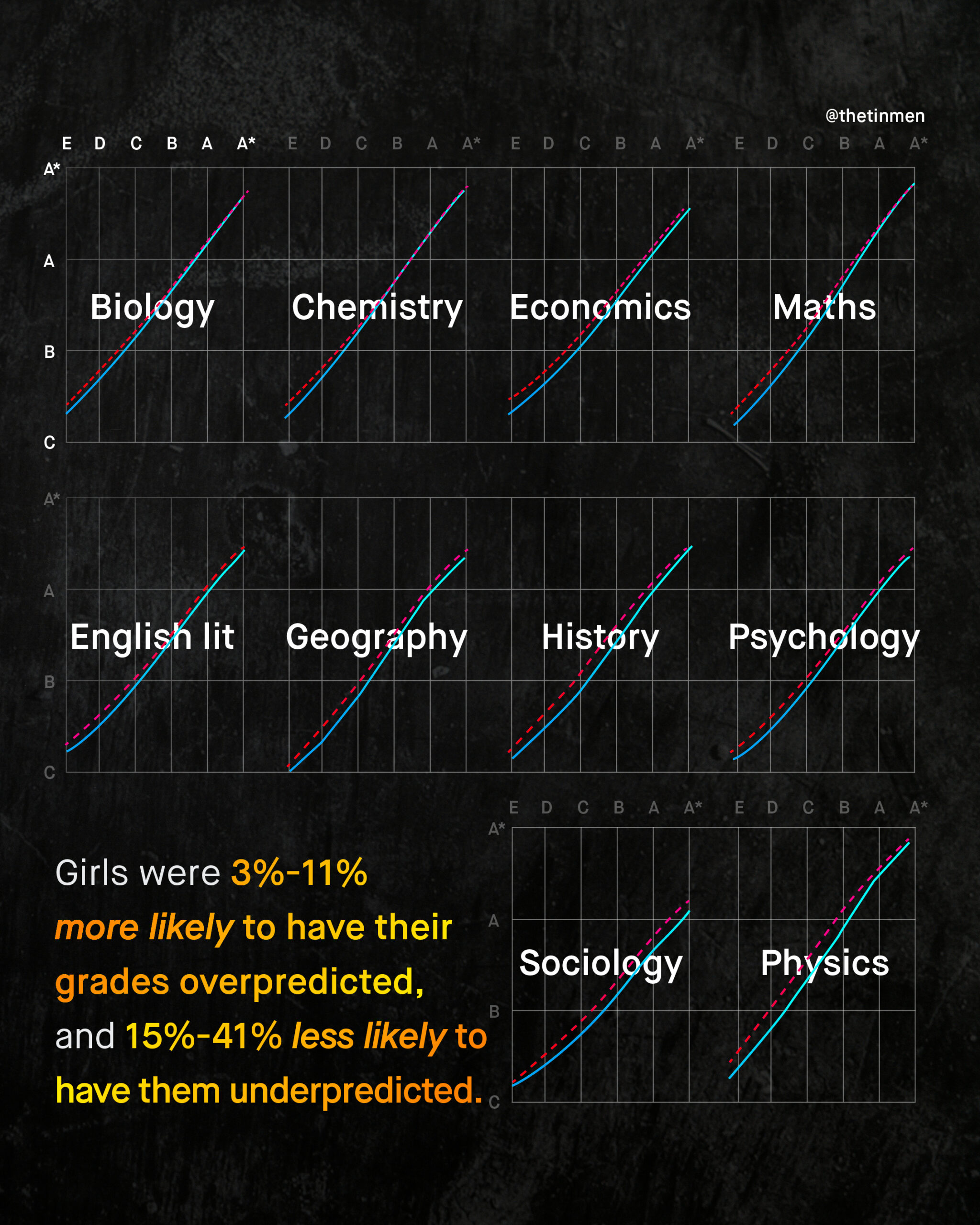
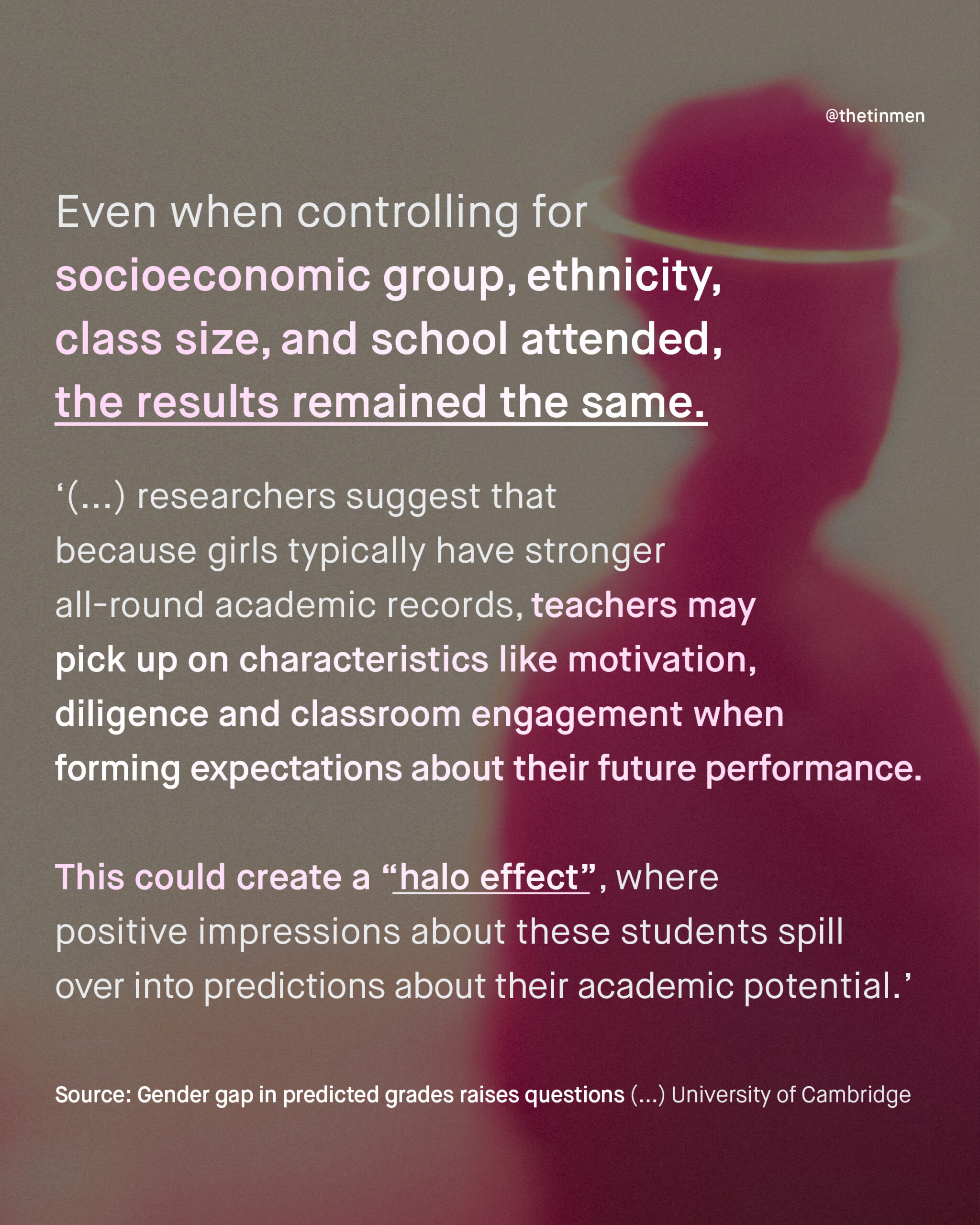
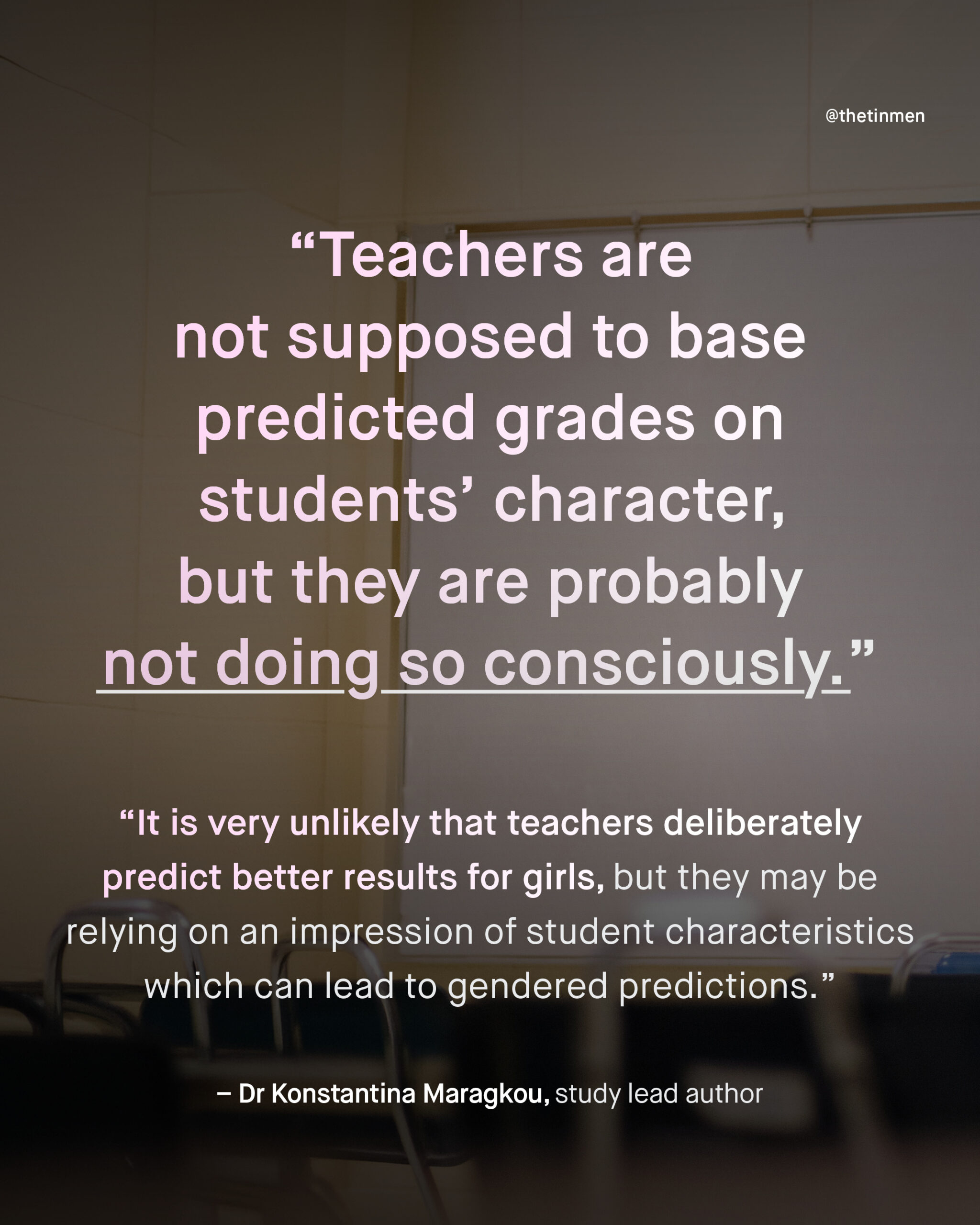


It’s results day in the UK. And to those who got what they wanted, congratulations, and for those who did not (such as myself when I was your age), I know it feels like the end of the world right now, but I promise you, it isn’t. The thing that I find so interesting about this fateful day, is that the destiny of students has already been decided. Students have been given their university offers already. Students have applied, been accepted, and even made their final decisions, several months before this day arrives. But... how? Well, through what’s called ‘predicted grades’. Predicted grades are decided by teacher assessments, not exams, and they are given to students several months before the final results day. Students then use these predicted grades to decide which universities to apply to, and then universities use them to decide which students to accept; and the actual final exam results are supposed to confirm these grades, and... well... the rest is history. This all sounds well and good, I suppose. Except… what if teachers were giving different grades, to students of equal intelligence? Or to be specific: what if boys were getting lower predicted grades in comparison to girls who achieved the exact same final results? And if such a thing were happening – Could it help explain why 45,000 fewer boys go into higher education than girls every year in the UK? Well, an enormous new study, captured over three years, which analysed the results of 350,000 (!!) A-level students, has suggested yes, this is happening, and not just once, but consistently across all subjects. Yes. The study finds girls are more likely to be overpredicted, and less likely to be underpredicted, than boys, and this could be influencing the education, careers, and entire lives of countless millions of students. Let’s take a look…. ~ Full study Cambridge Analysis
2026-08-13