
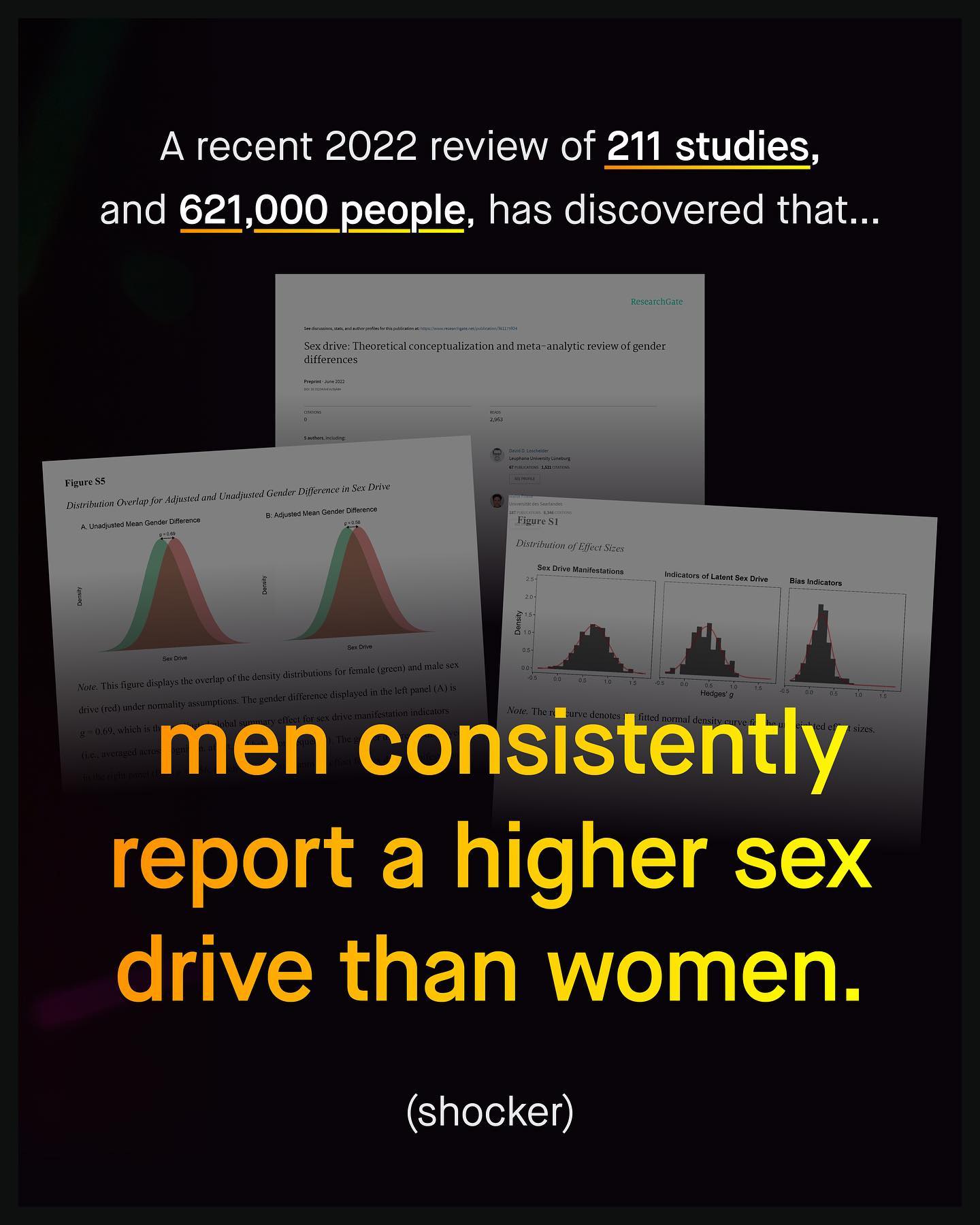
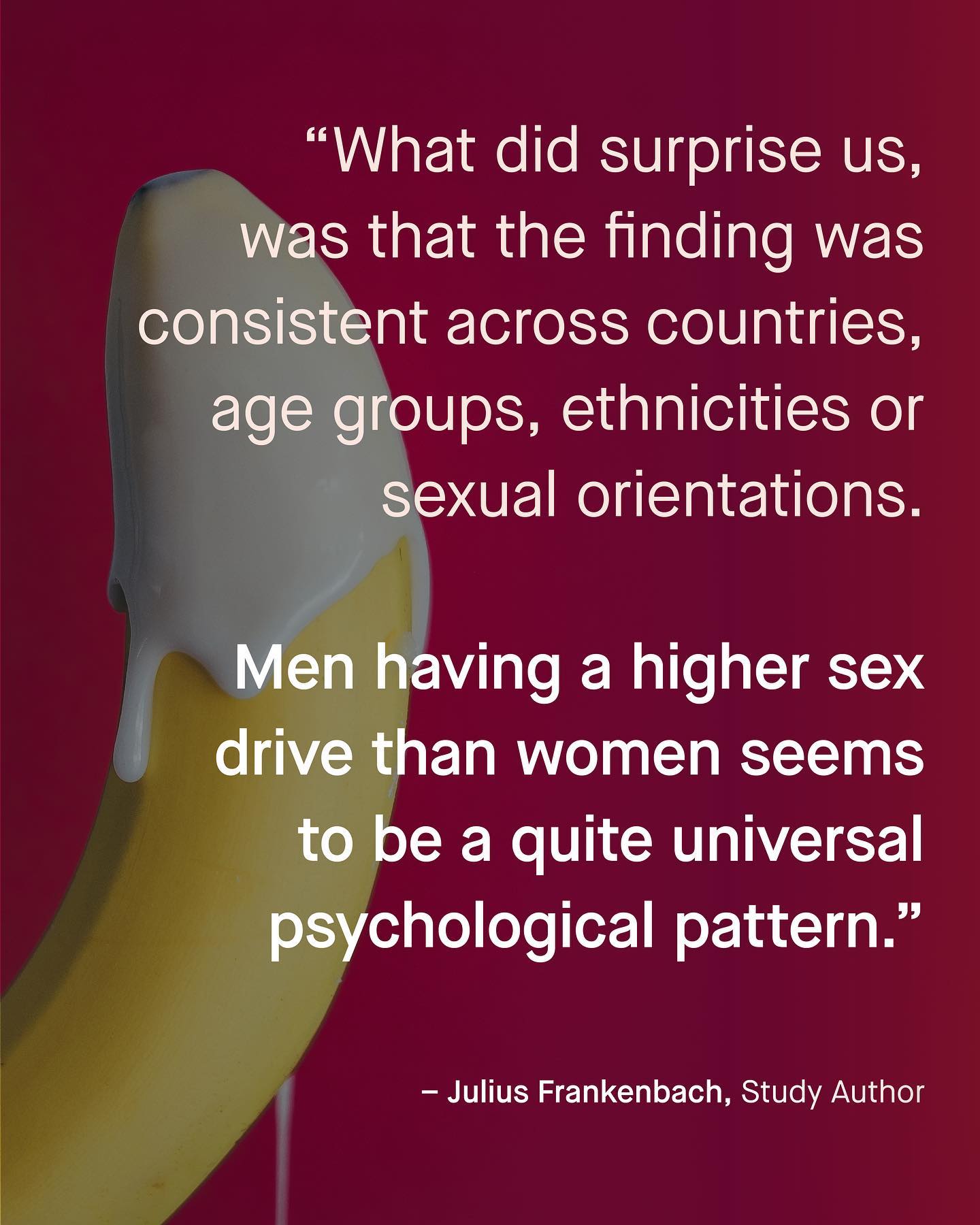
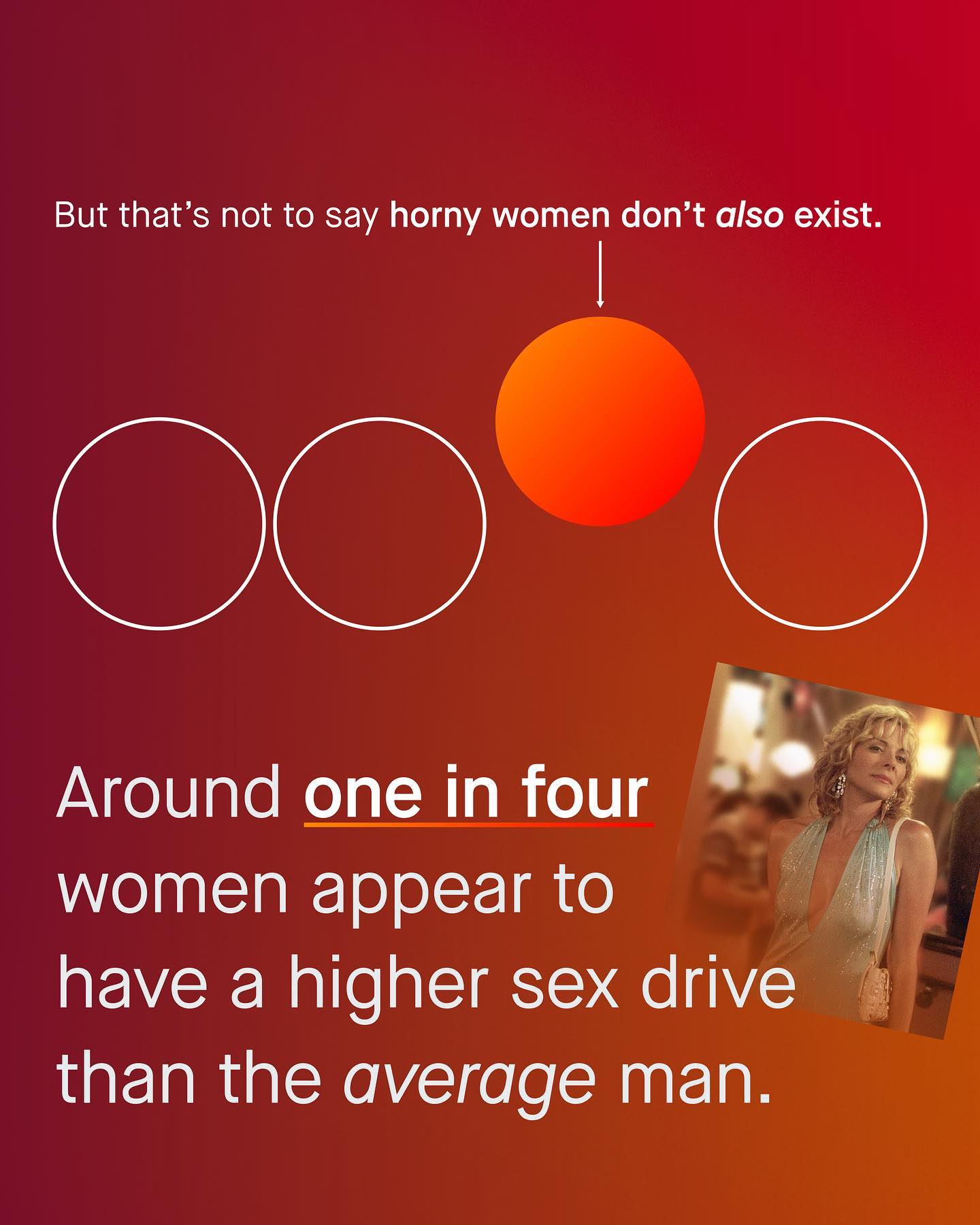

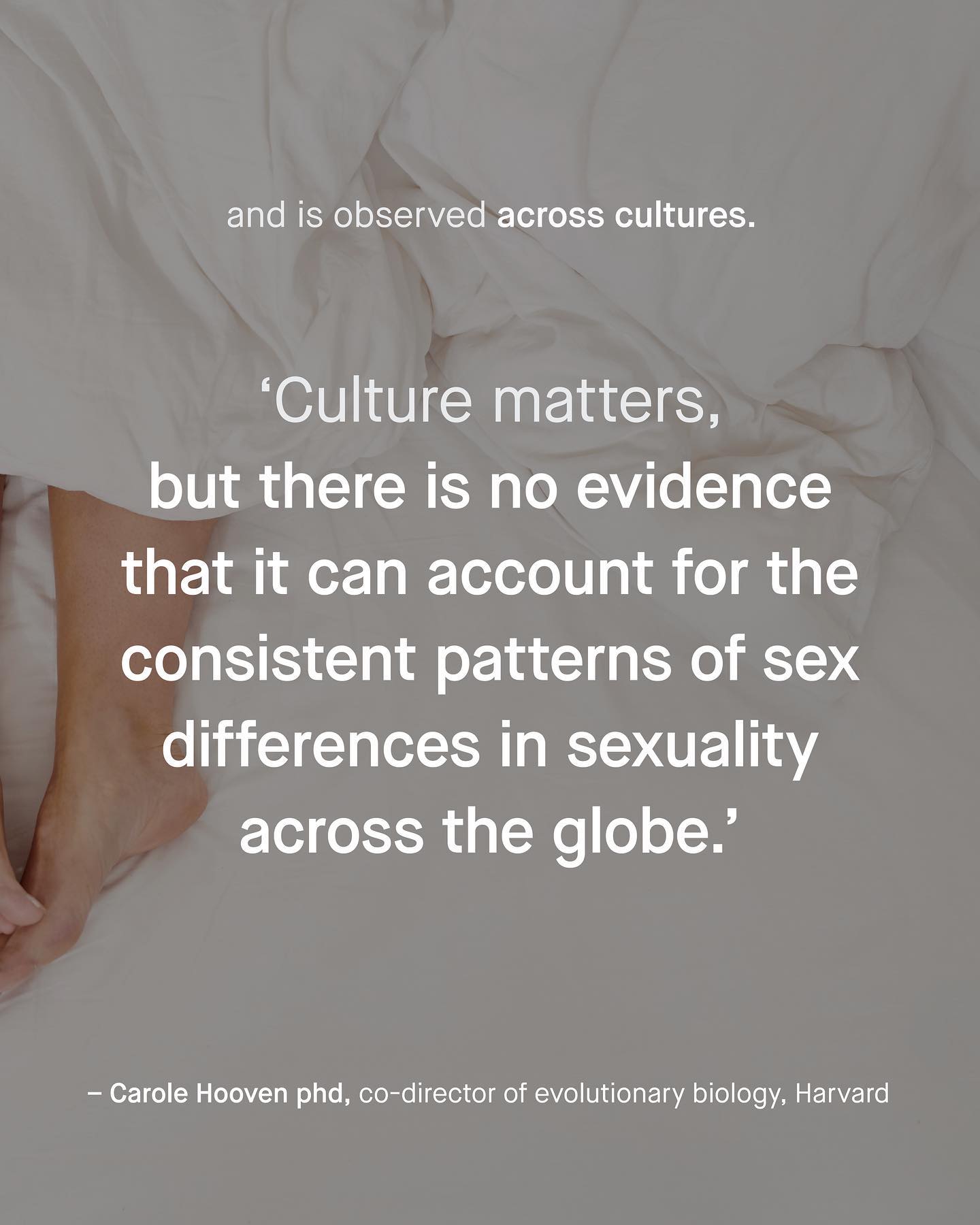
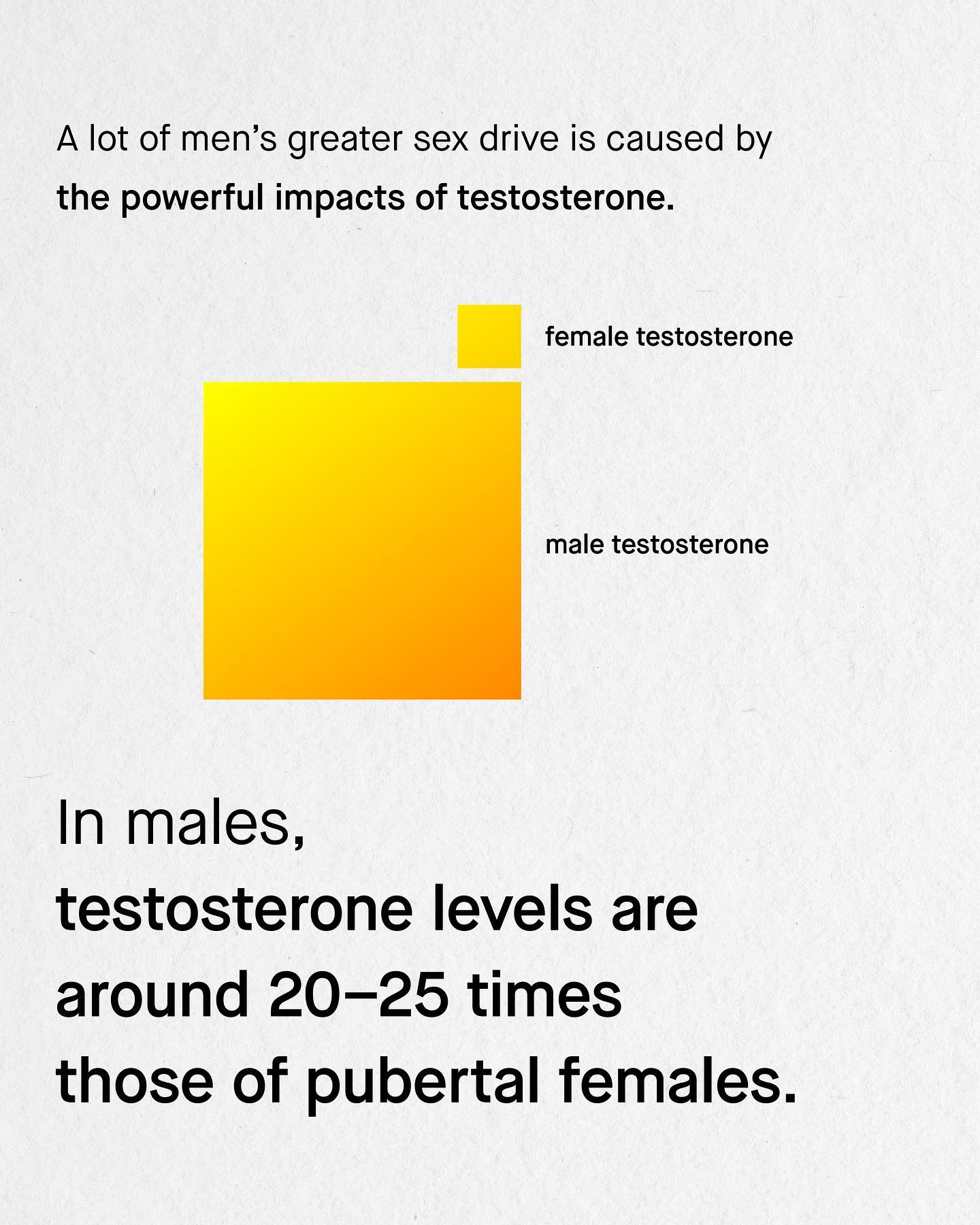
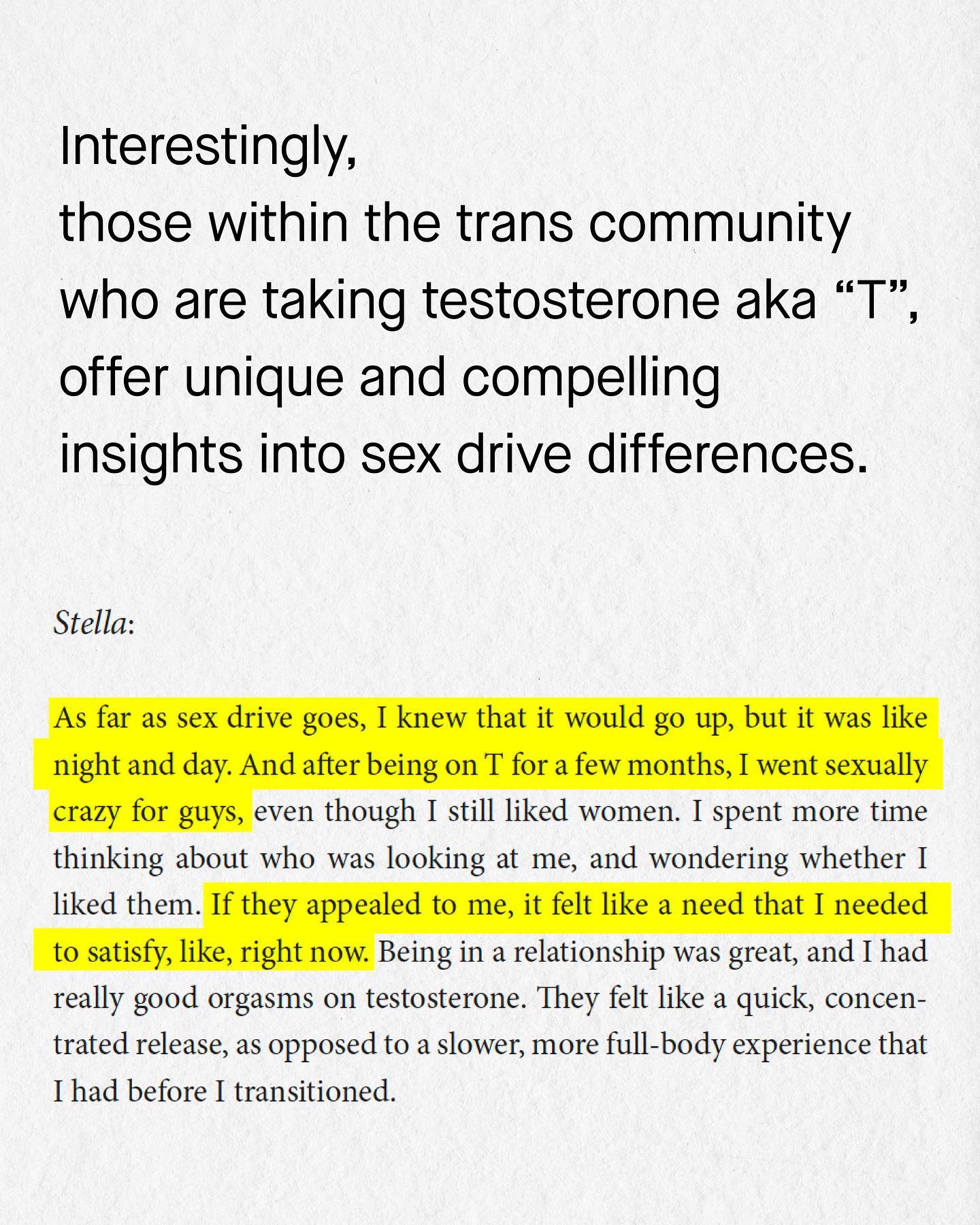


Anyone who has lived as, or indeed known, a pubescent boy, knows it is far from a fairytale. Your emotions are like fireworks. You’re pissed off, and not sure why. You’re moody. Or quiet. Or dramatic. Or all of them, or none, or something entirely different. It’s a mess. And then there’s the inevitable fascination with sex. How could something so newly fangled to the teen boy’s mind suddenly feel so all encompassing? A new word, that was never part of his vocabulary has suddenly arrived, to make the boys adolescent brain its home. The sex light switches on, and I’m afraid to say lads, it will stay on for quite a while yet. But have you ever wondered how this compares to a woman’s sex drive? The two are so often compared. But it’s a treacherous comparison to make, as to understand both is to somehow disentangle the impossibly enmeshed influences of biology vs culture. Despite progress, you’re right that women are more often shamed for having casual sex, and we are still more accepting of a man’s sexual conquests. Culture is important. But you’d be wrong to ignore entirely the hormones that shape and dominate male behaviour, and how they play a major role in sex. And yes, I’m talking about testosterone. ‘The hormone that dominates and divides’, as Harvard evolutionary biologist Carole Hooven describes. Or as Germain Greer more clumsily put it, ‘testosterone is a rare poison’. So what can be said about men’s sex drive? Is it really higher than womens, and if so, why? Is testosterone the culprit to the sex addled brains of a billion teenage boys? And could the trans community hold the key to understanding both sides of the divide? ~ Study Study review Carole Hooven Images by Diana Light, Codioful, Kiwi Hug, Womaniser Toys, Annie Sprat, Alexander Krivitskiy #sexpositivity #sexualhealth #sexualwellness
2023-10-16