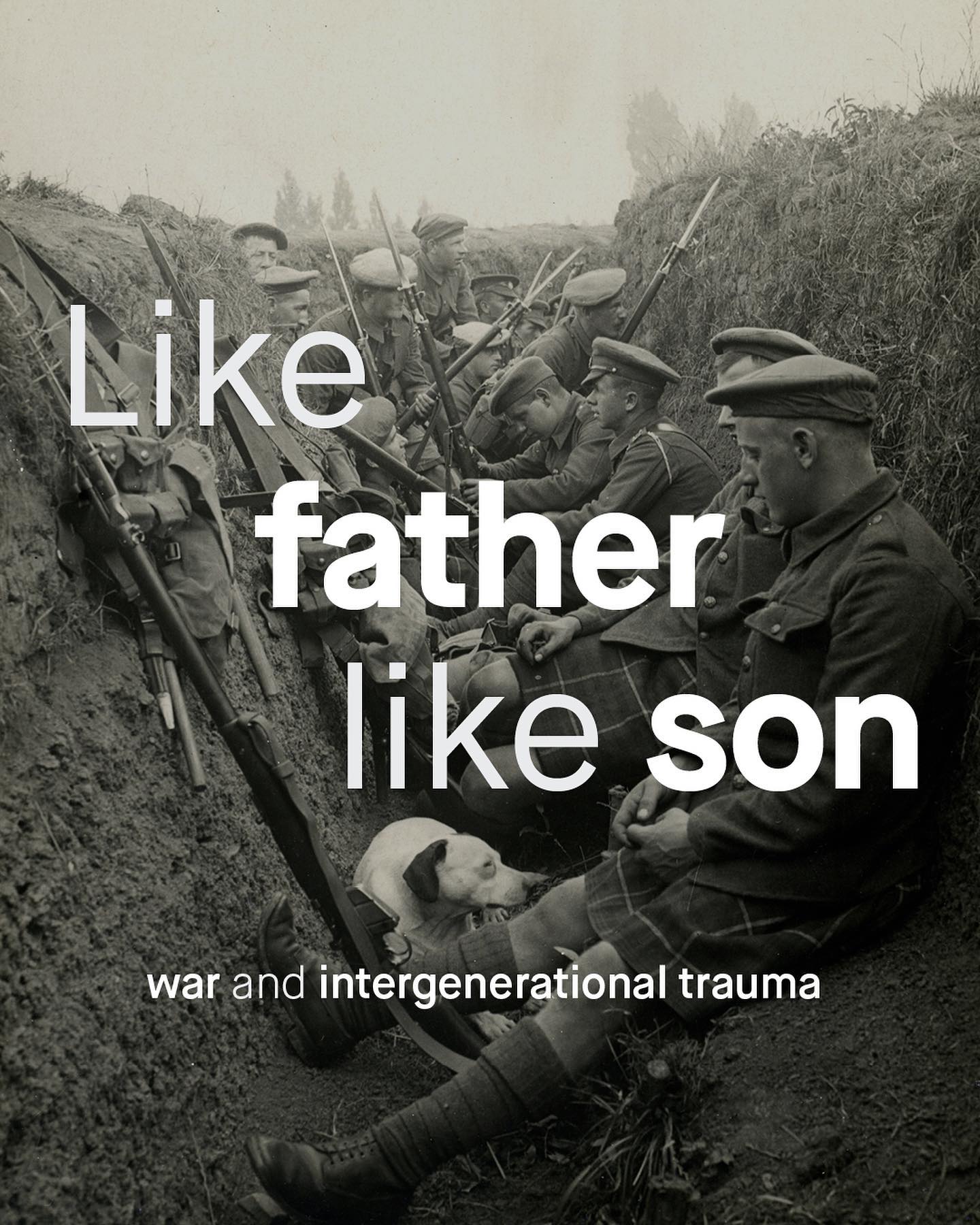
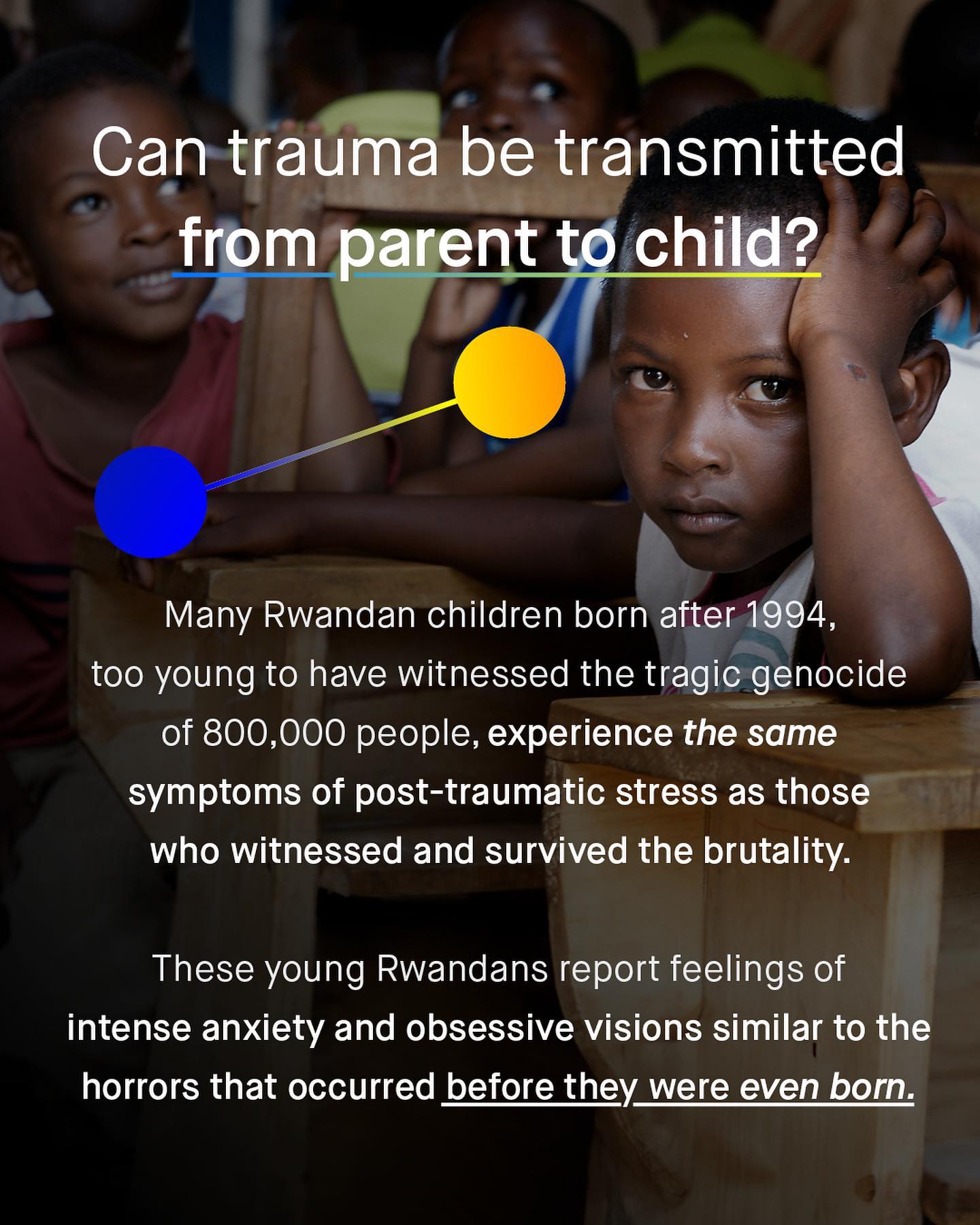
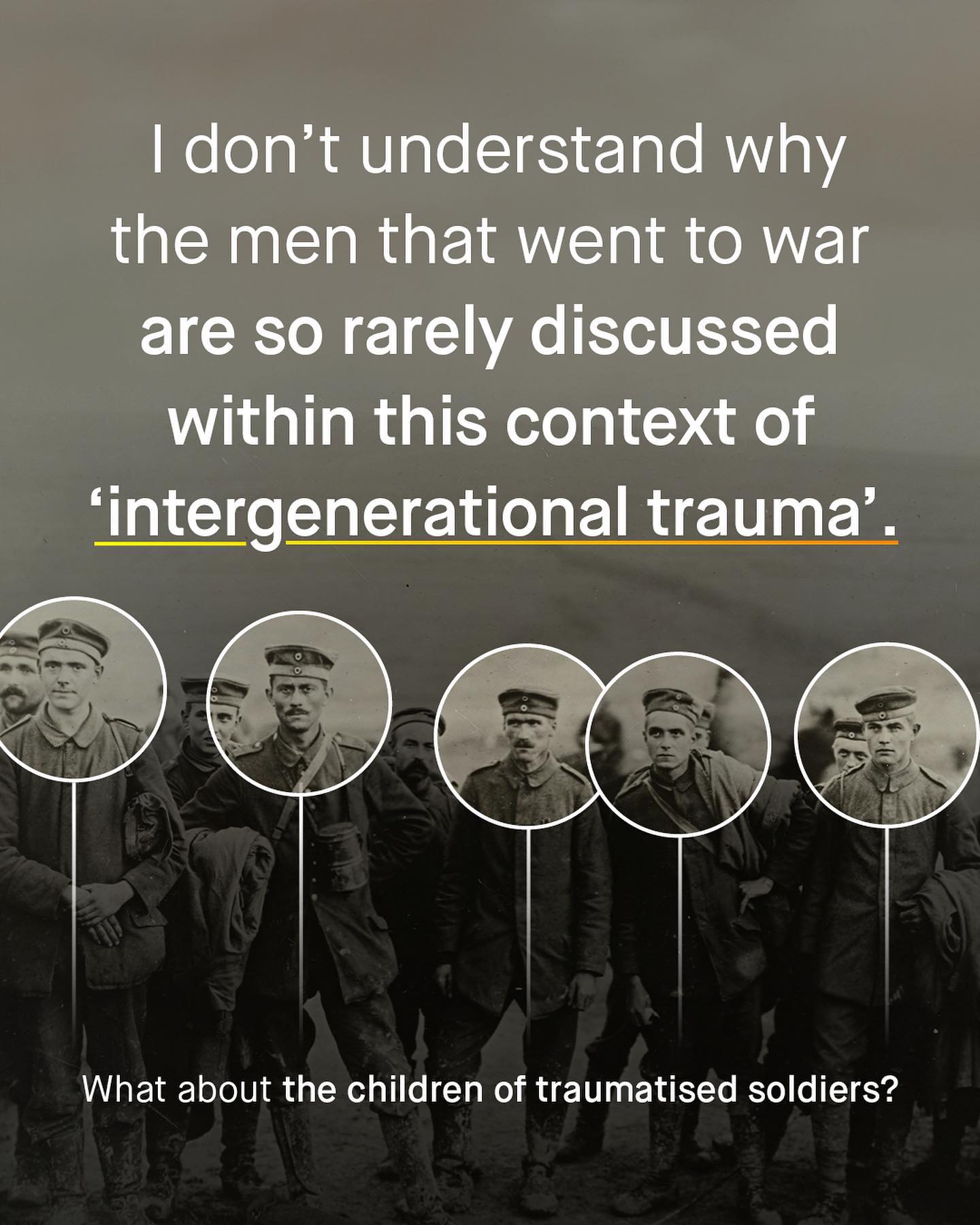
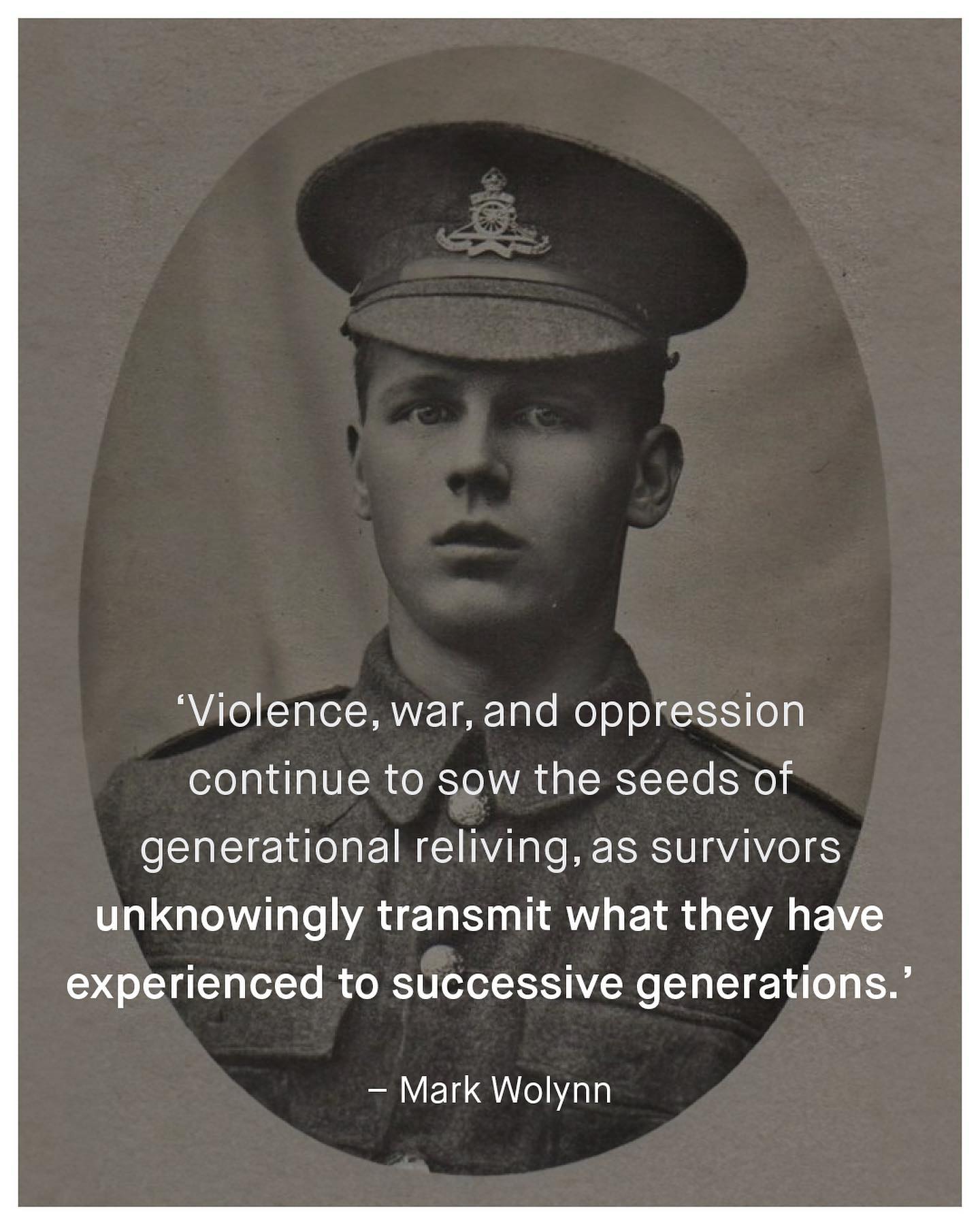
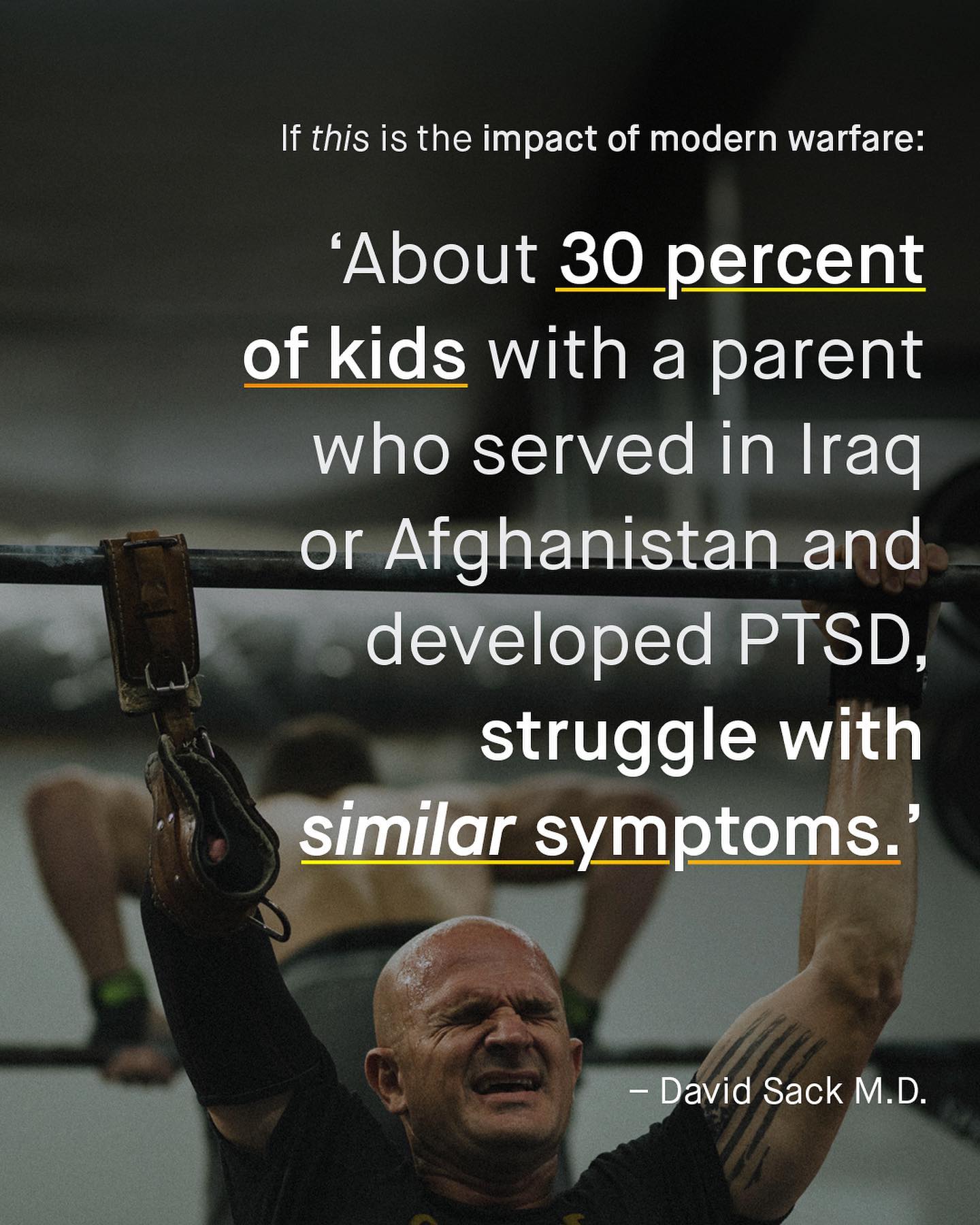
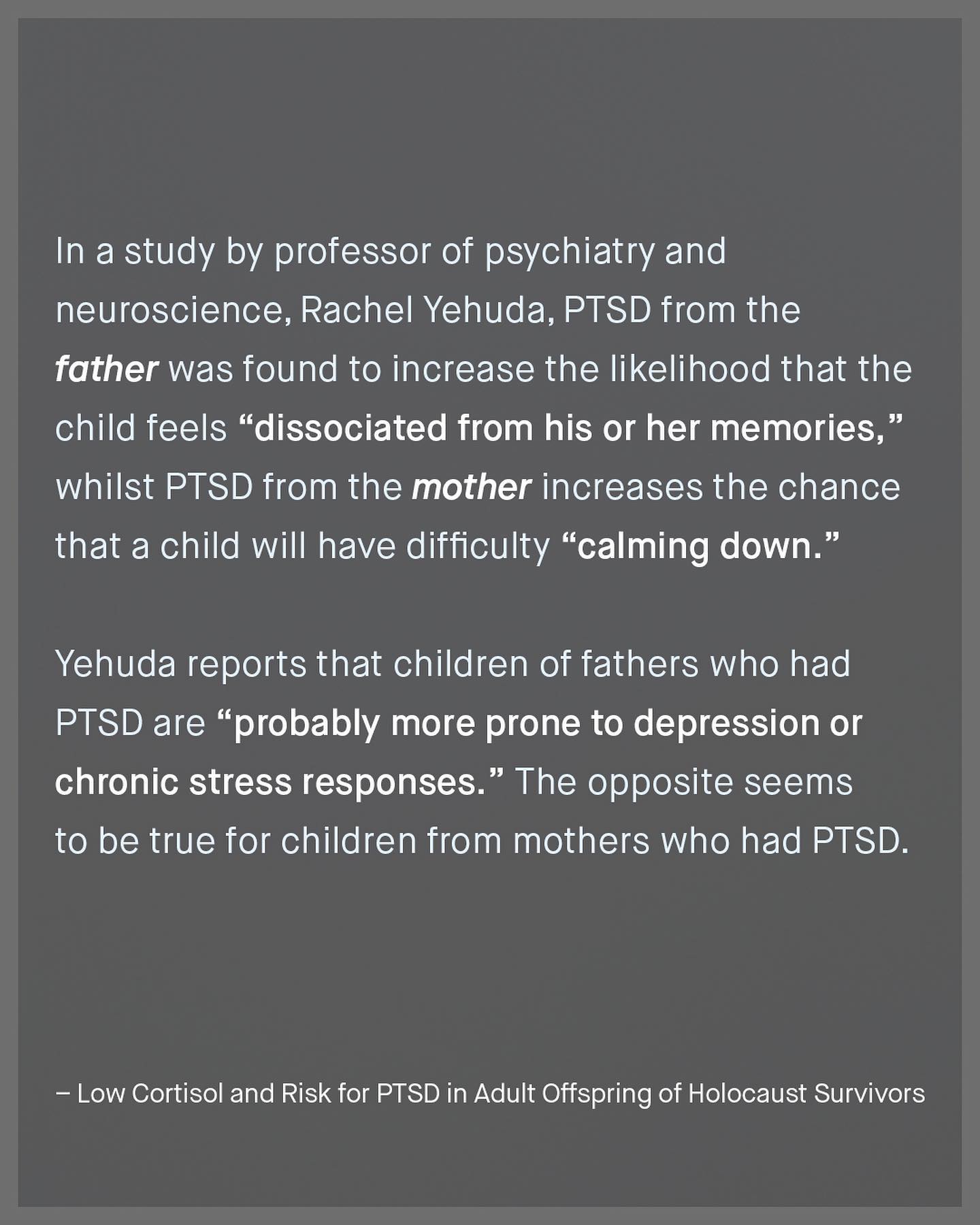
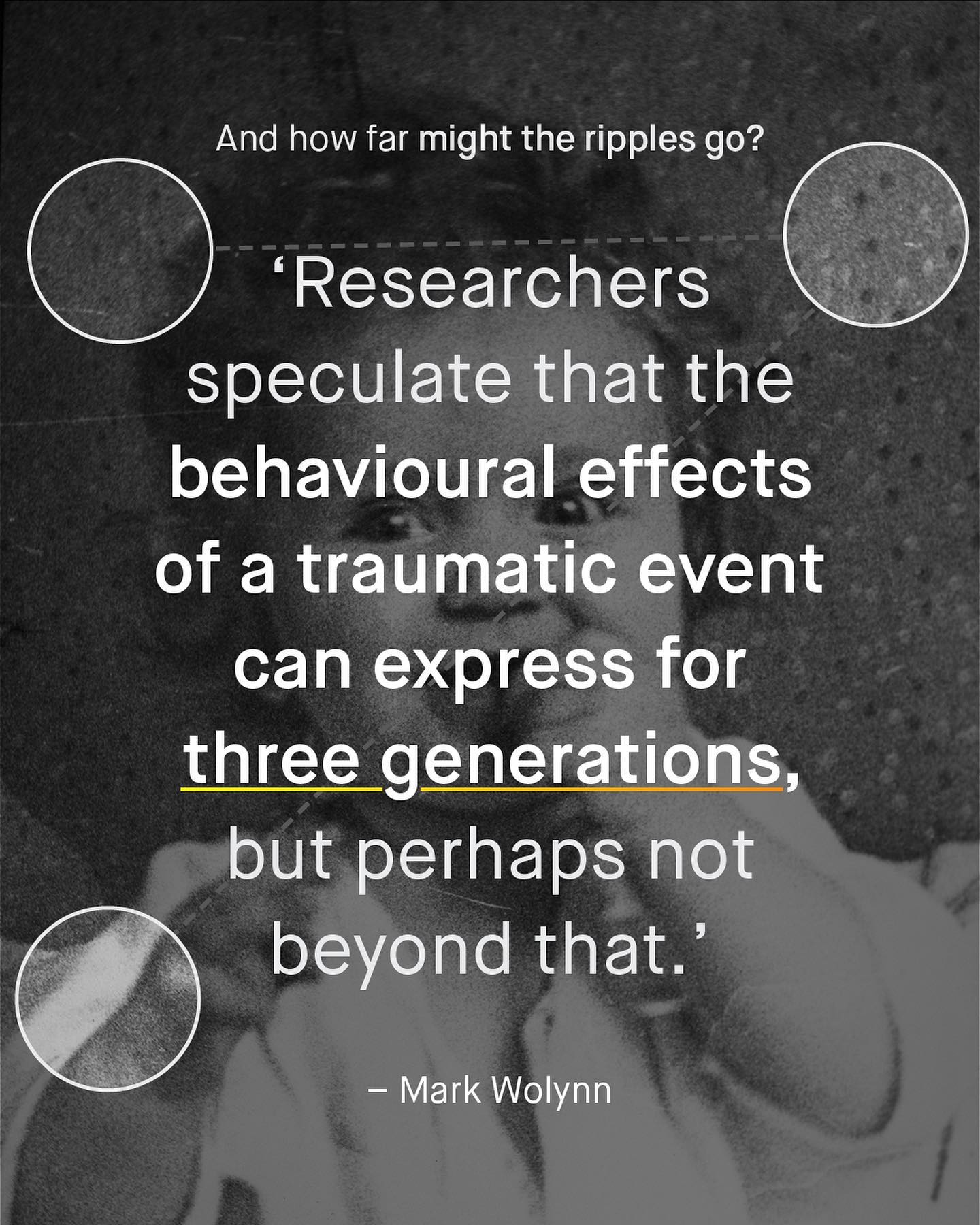
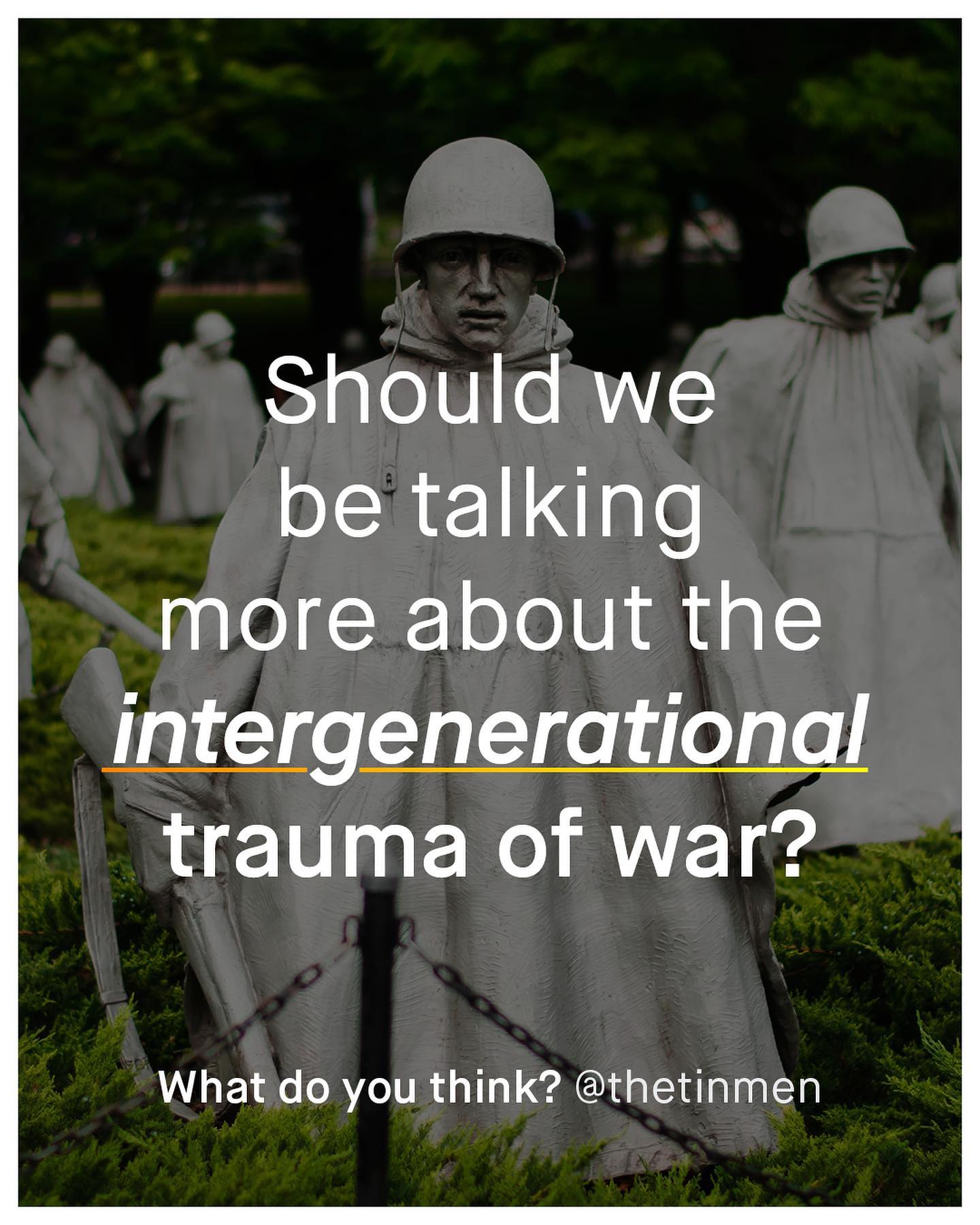
The subject of intergenerational trauma, which examines whether the trauma of a parent can be transmitted to their children, and subsequent generations after that, is an area of research that remains understudied, intriguing and yet fraught with pit falls. The research usually explores the lives of the children of holocaust survivors, indigenous populations, or the descendants of similar atrocities. It asks how might the experiences of oppressed ancestors reverberate and ricochet through family lineage for generations. Specifically, how can we explain the lowered cortisol levels found in the children of holocaust survivors, or the same found in children of mothers, who were pregnant whilst witnessing or experiencing the twin tower attacks of 9/11? It wants to know – does trauma end with those who felt it? Or does it embed itself into our hormones and very DNA? It’s a fascinating thing to read about. But I’ve never understood why the historical experiences of men going to war are so rarely studied or discussed in this context of ‘intergenerational trauma’. Surely the trauma of hundreds of millions of men and boys, countless many seeing horrors we simply cannot imagine, is fertile ground for such an area of research? What about the devastating familial and societal shockwaves left in the wake of these men, sent cascading through to their children, and their children after that? We hear the stories of the men who came home from war, thrust back into normal life, with little thought of what they quietly brought back with them, and we’ve seen the devastating mental health impacts PTSD has on our veterans. But never have I seen their children studied. Why not? Is it time we looked at the shockwaves the trauma of war might sent down families lines, or across society, to better understand the full scale of sacrifice our military personal have paid? What do you think? ~ Images by Bill Wegner, Simon Lee, Brittany Colette, Corey Young, Chris Currey, The NY Public Library.
2024-02-14