
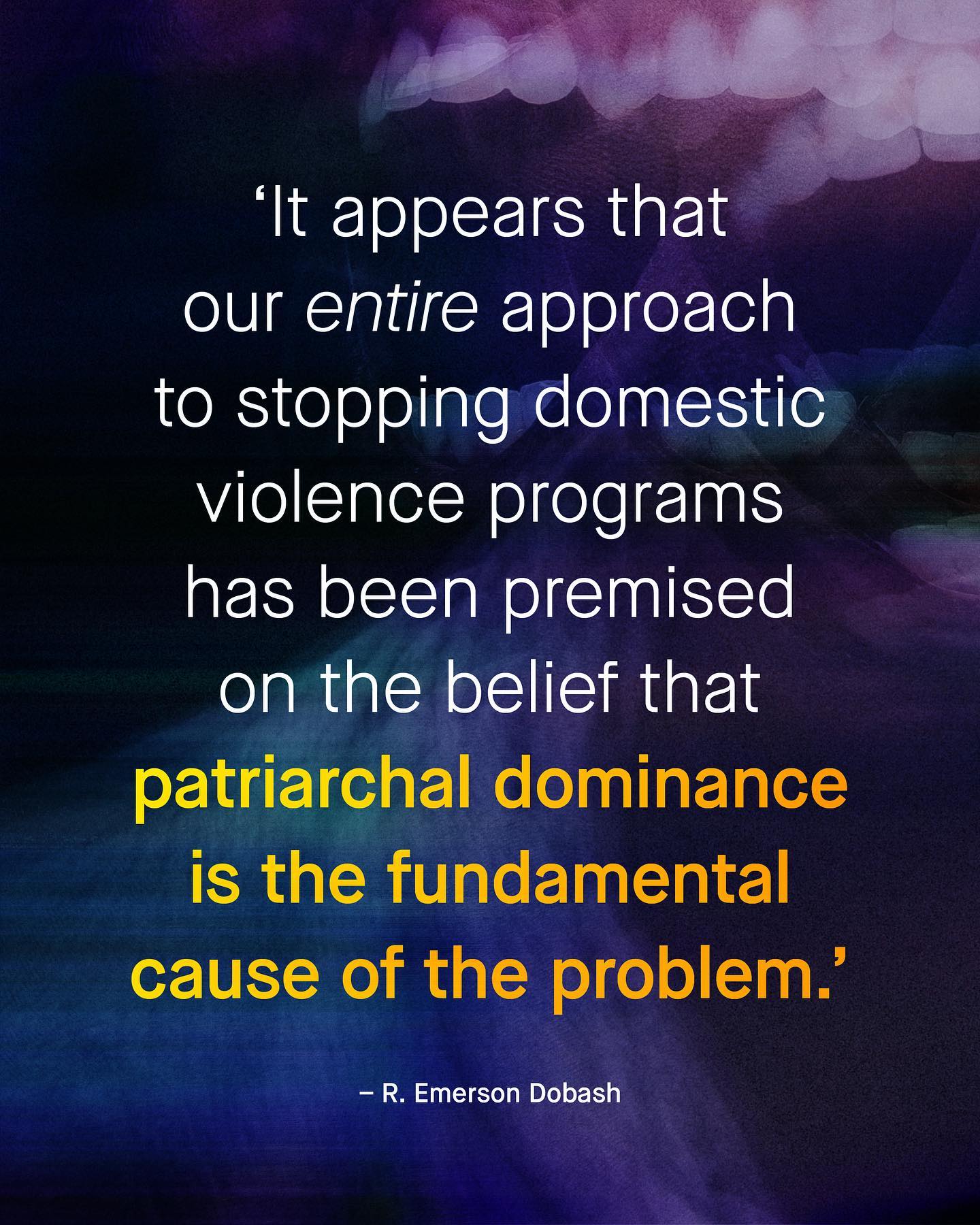
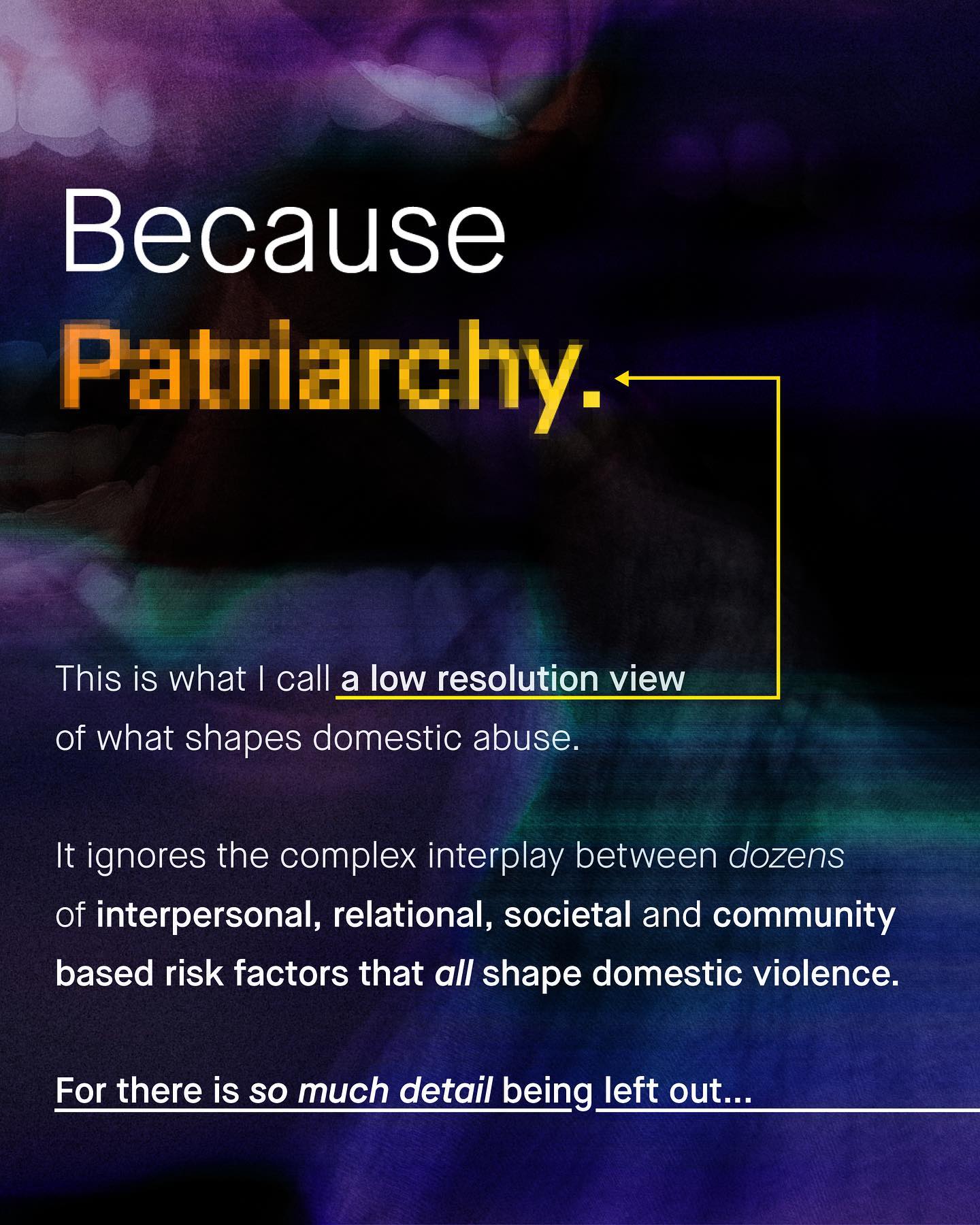
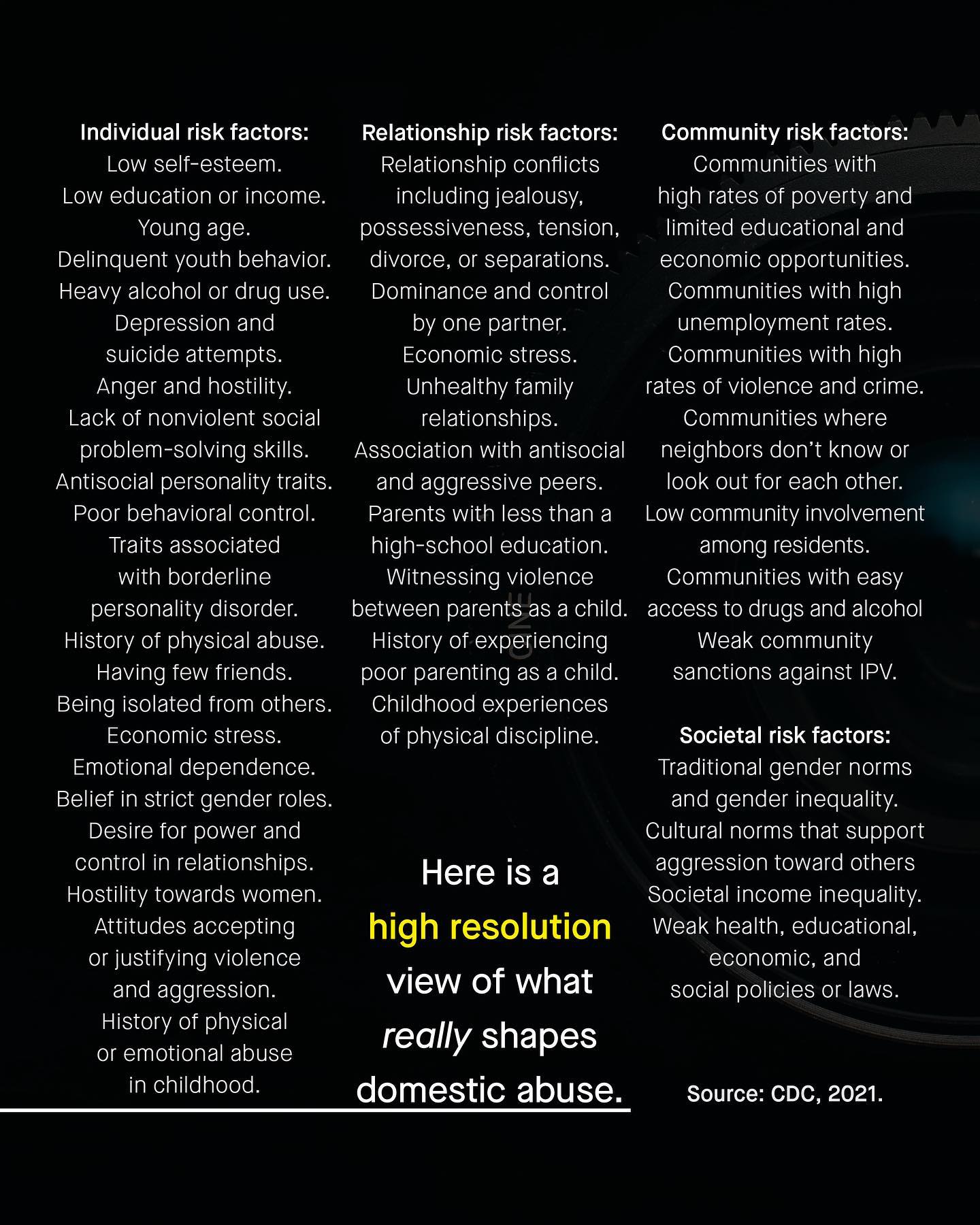
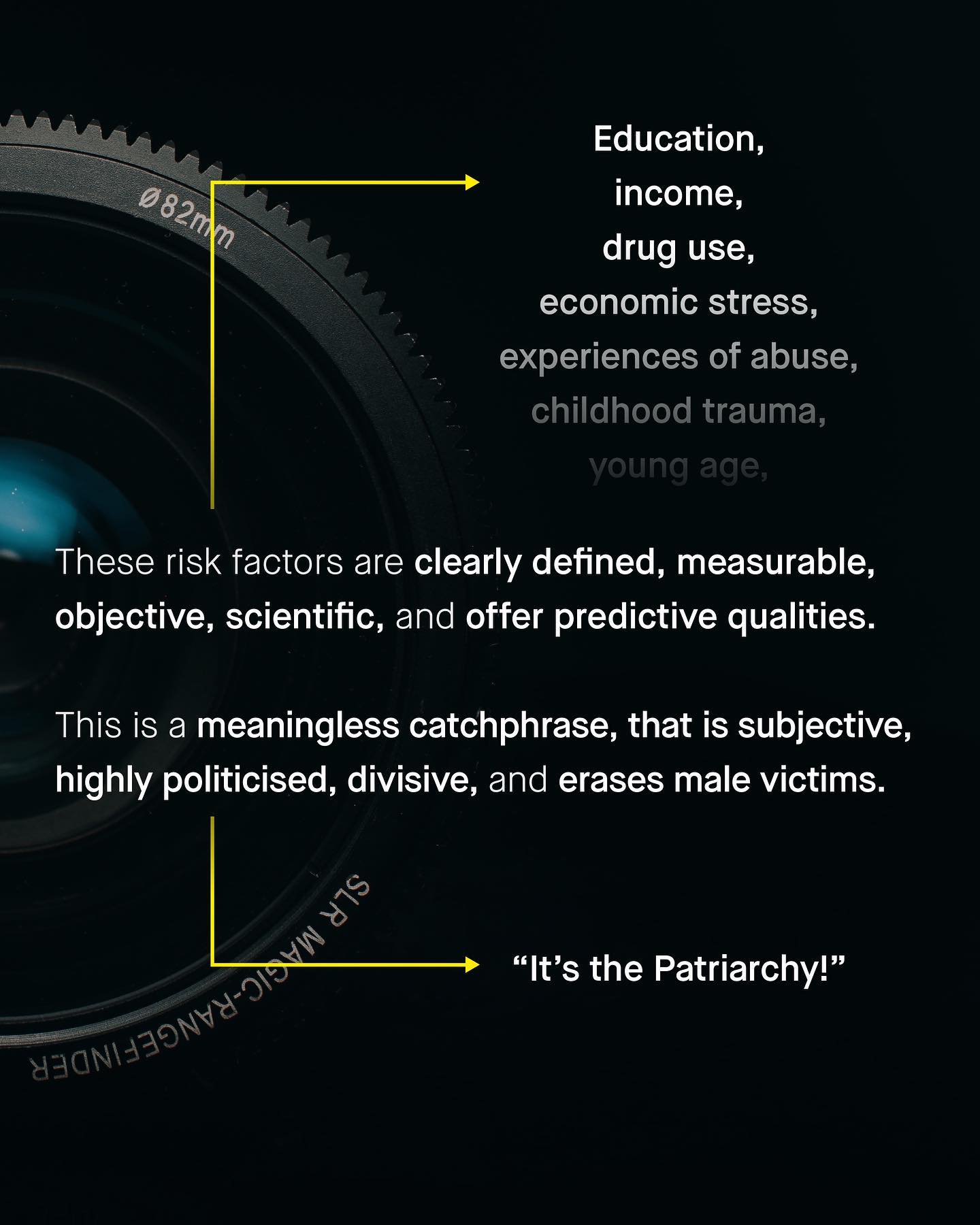
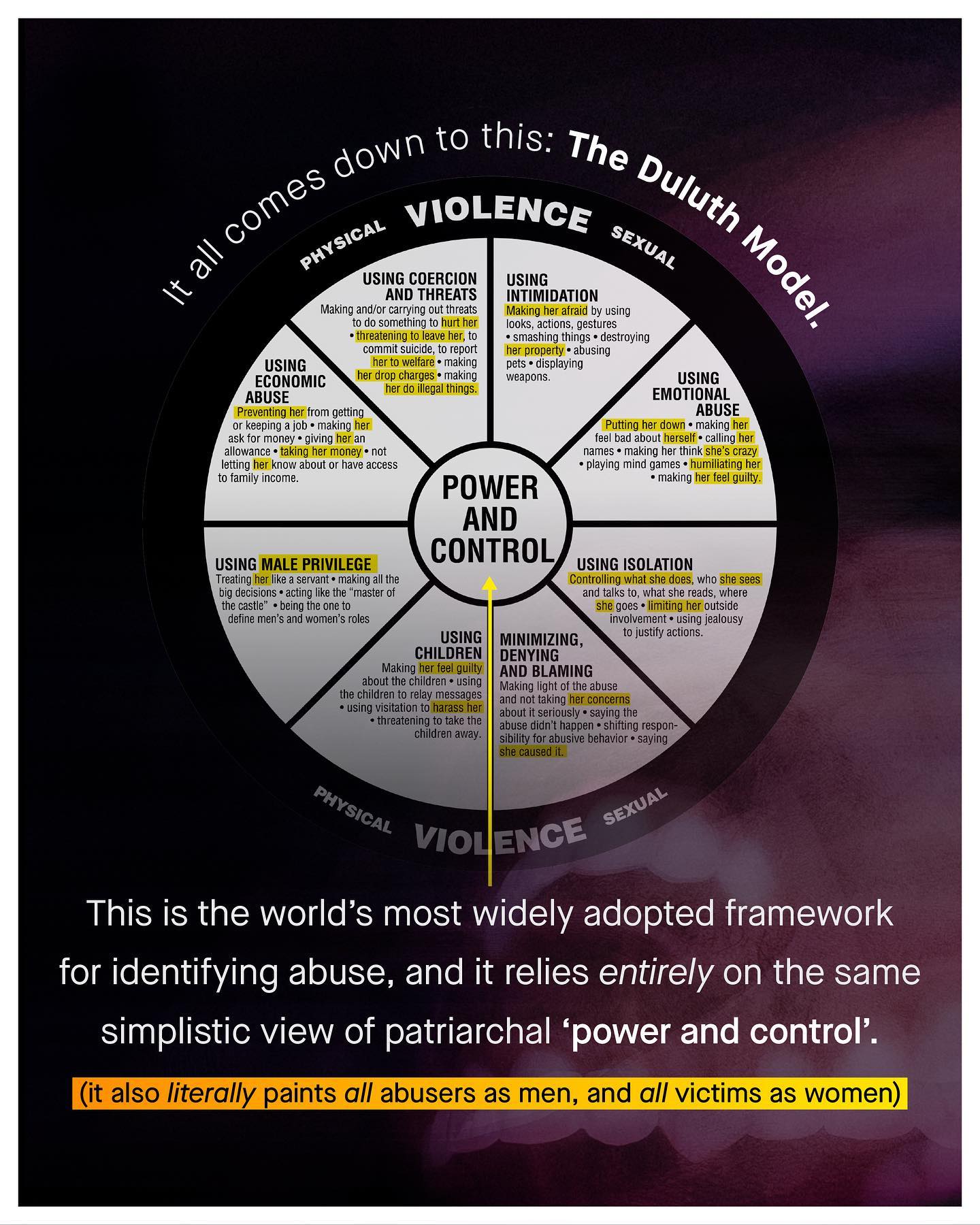
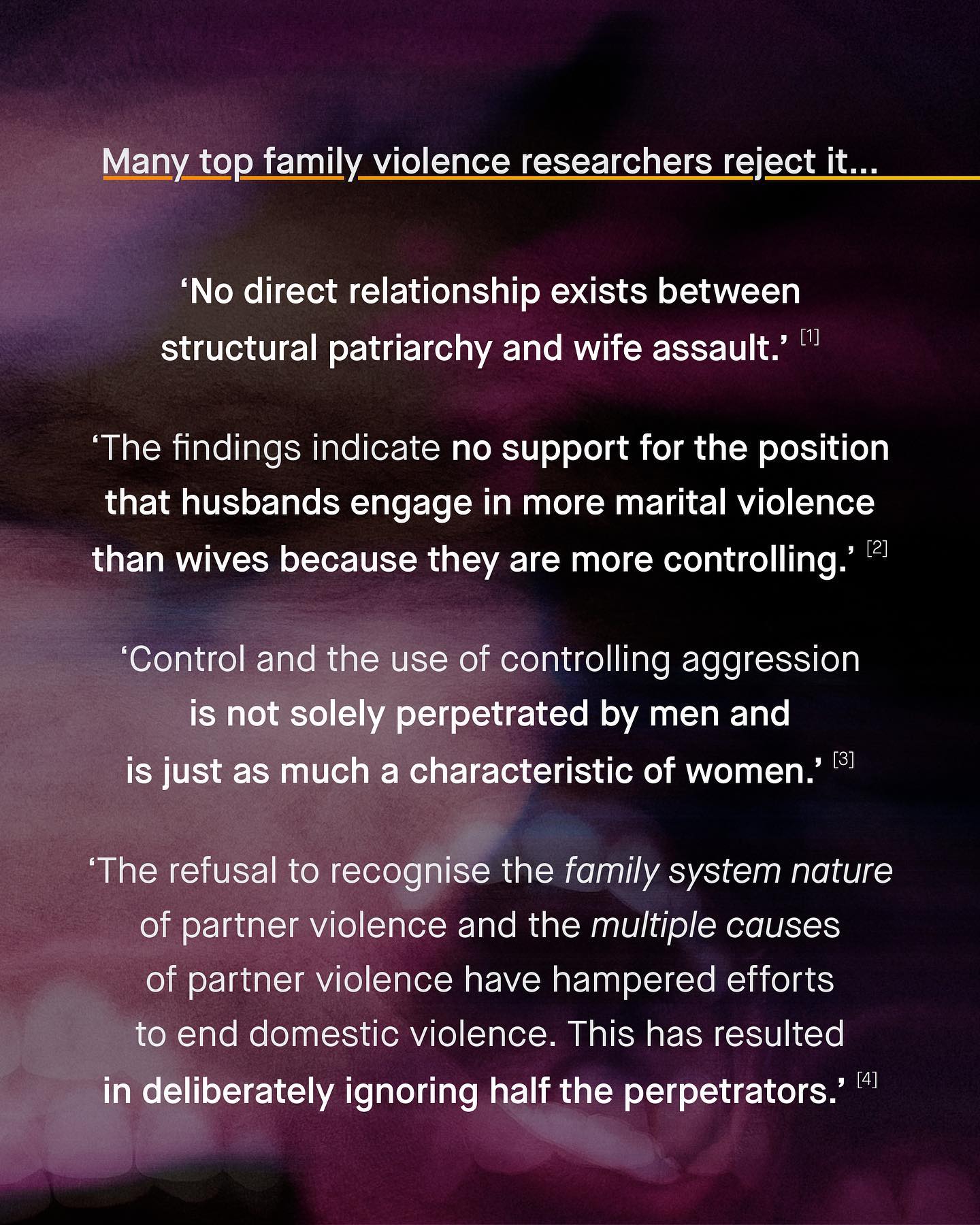
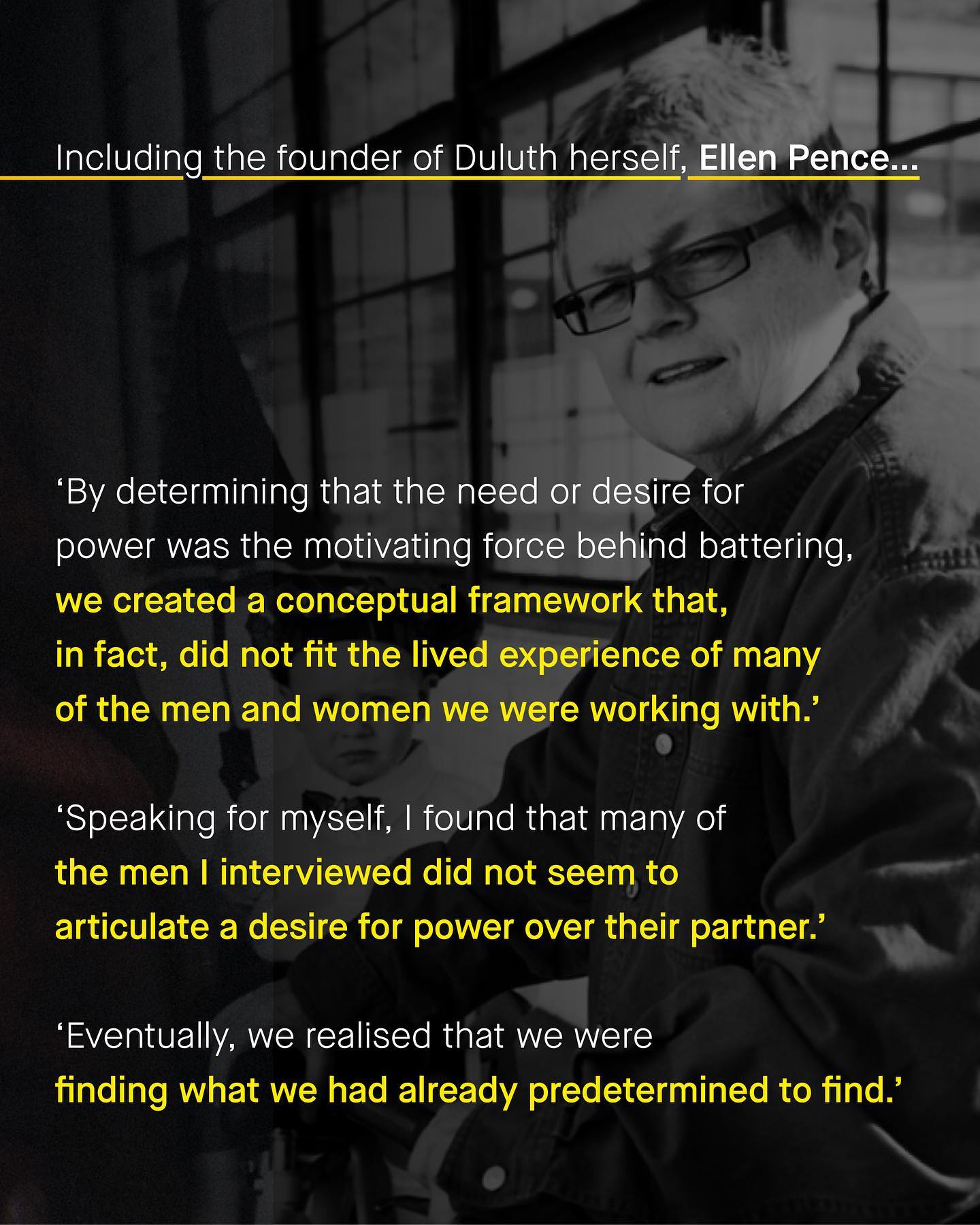

There is little harm in a bunch of social media whinos parroting on about ‘patriarchy x, y, and z’, in comment sections. Sure the concept is flawed, is inherently anti-male and needlessly divisive, but luckily those yelling about it online don’t matter that much, and nobody is really listening. But it doesn’t end there. As the problem with ‘patriarchy theory’ becomes more serious when it is used in reality; to meddle in politics, poison discourse, and interfere with complex societal issues, to ultimately impact millions. Most of all we see this in domestic violence. Yup, as a societal issue, domestic violence is the poster child for ‘the patriarchy’. Seen as the literal manifestation of the oppression of women, DV is men’s patriarchal violence, power and control made real. Such a simplistic and cartoonish idea is the bedrock of how domestic violence organisations are run and funded, how research is conducted, and it decides who they support… or don’t. No, we are no longer in the comment section, and the consequences are more than just hurt feelings. For like trying to see a intricate tapestry through a key hole, ‘patriarchy theories’ narrow, and frustratingly simplistic world view obscures more than it reveals. Such needless politicisation leads to the total erasure of both male victims, and female perpetrators of abuse. And yes, to put a name to it – we’re talking about The Duluth Model. Duluth is the single most influential model of domestic abuse in the world, forged by feminists hands in the fires of Mount Outrage, it genders the narrative, to paint all abusers as men, and all victims as women. Simple. Again. And equally useless. So, is it time for a higher resolution, more inclusive, evidence based, and rational discussion around what shapes domestic abuse? What do you think? ~ Images Marc Clinton Fabiano, Ray Zhou, Nsey Benajah, Chris Hardy, and Marcos Paulo Prado. [1] [2] [3] [4] CDC Risk Factors Ellen Pence #domesticviolence #domesticabuse #malesurvivors
2023-08-16