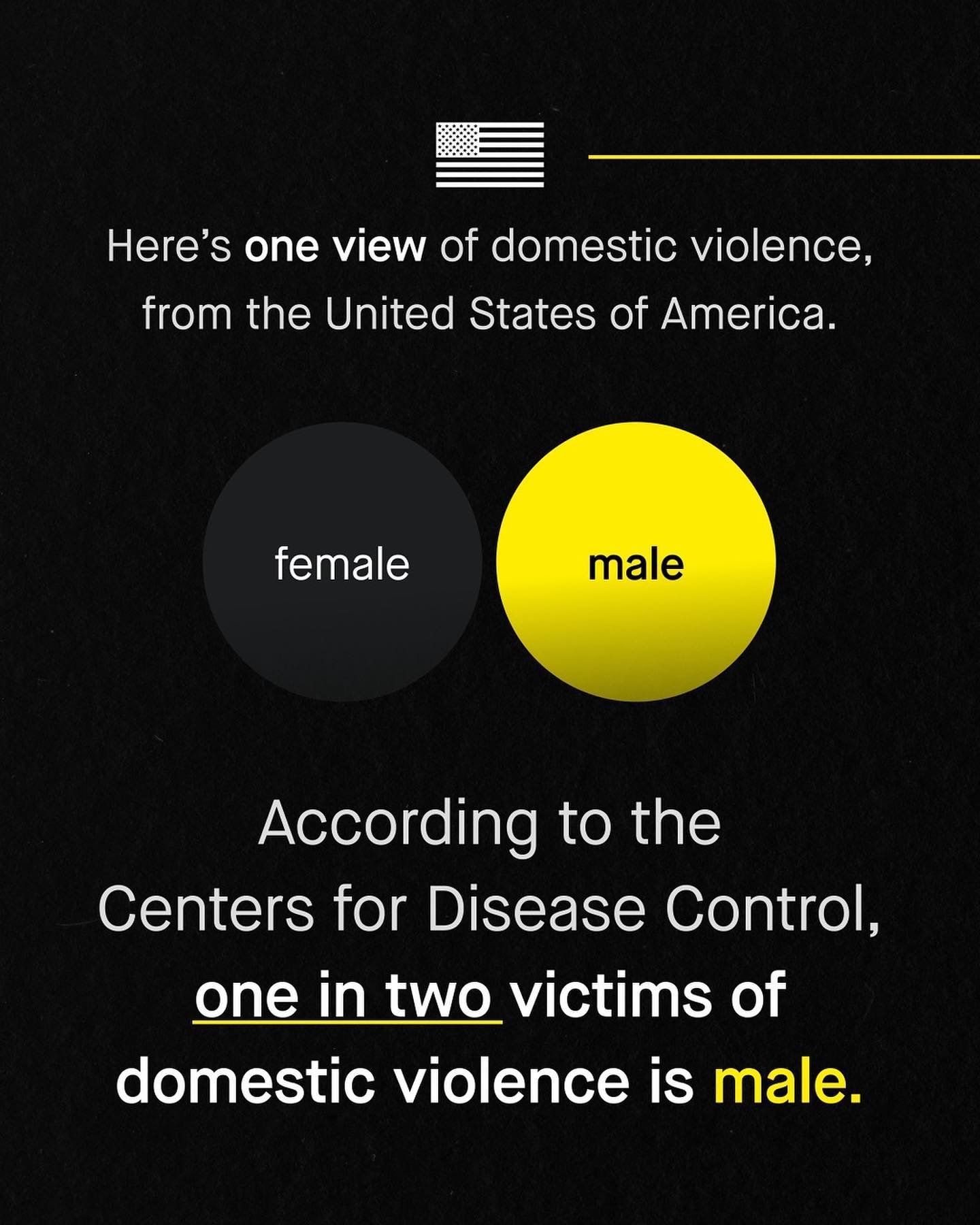
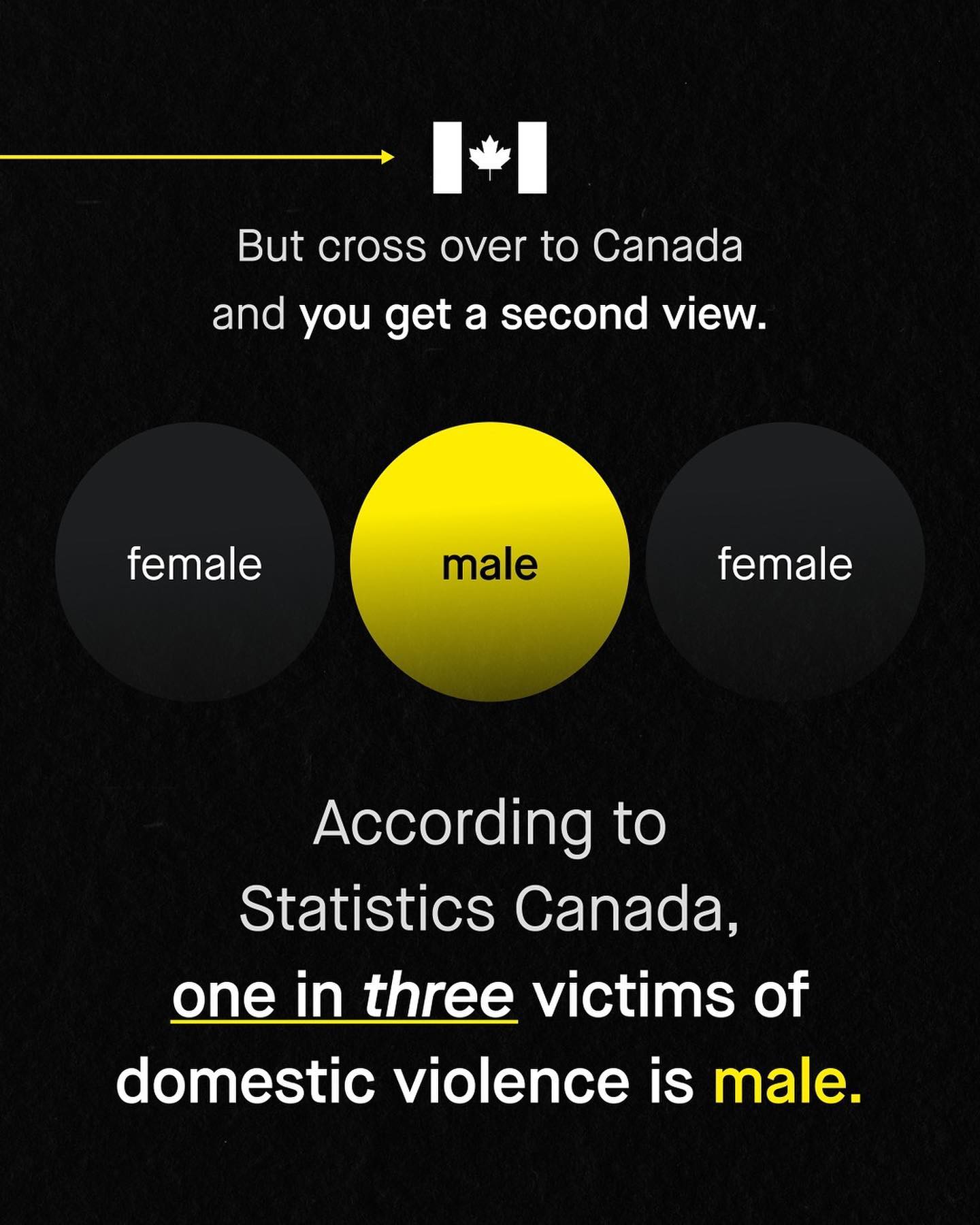
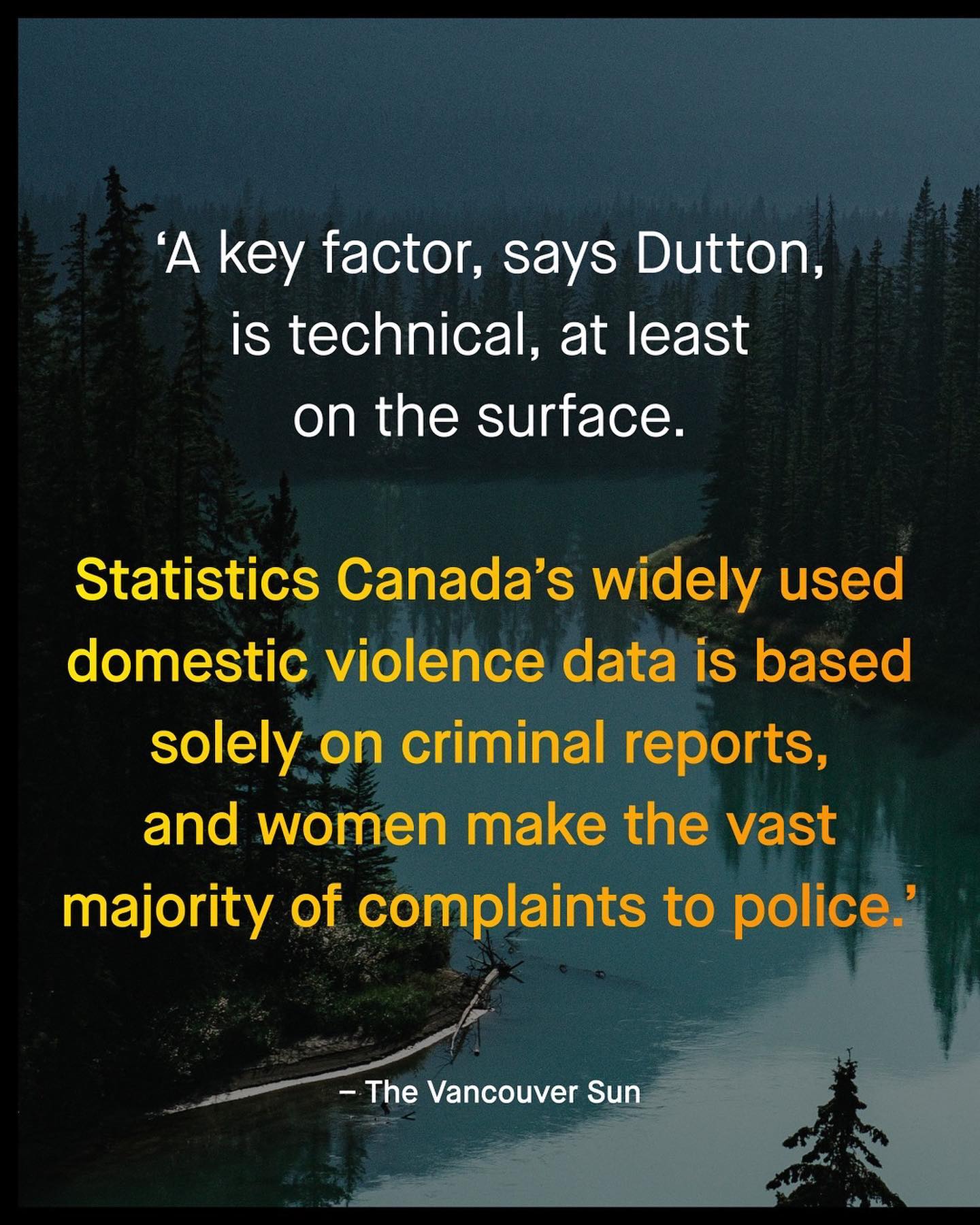
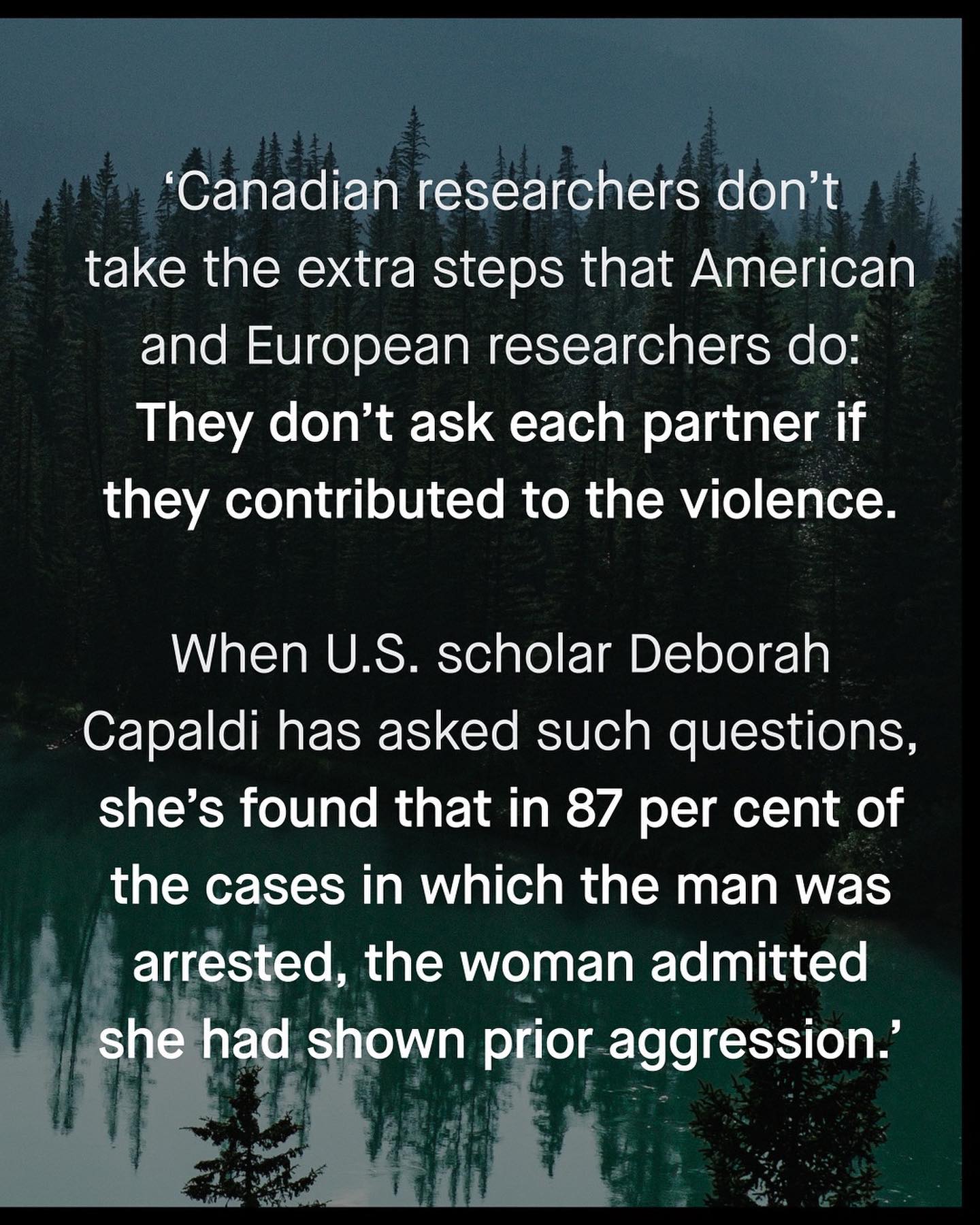
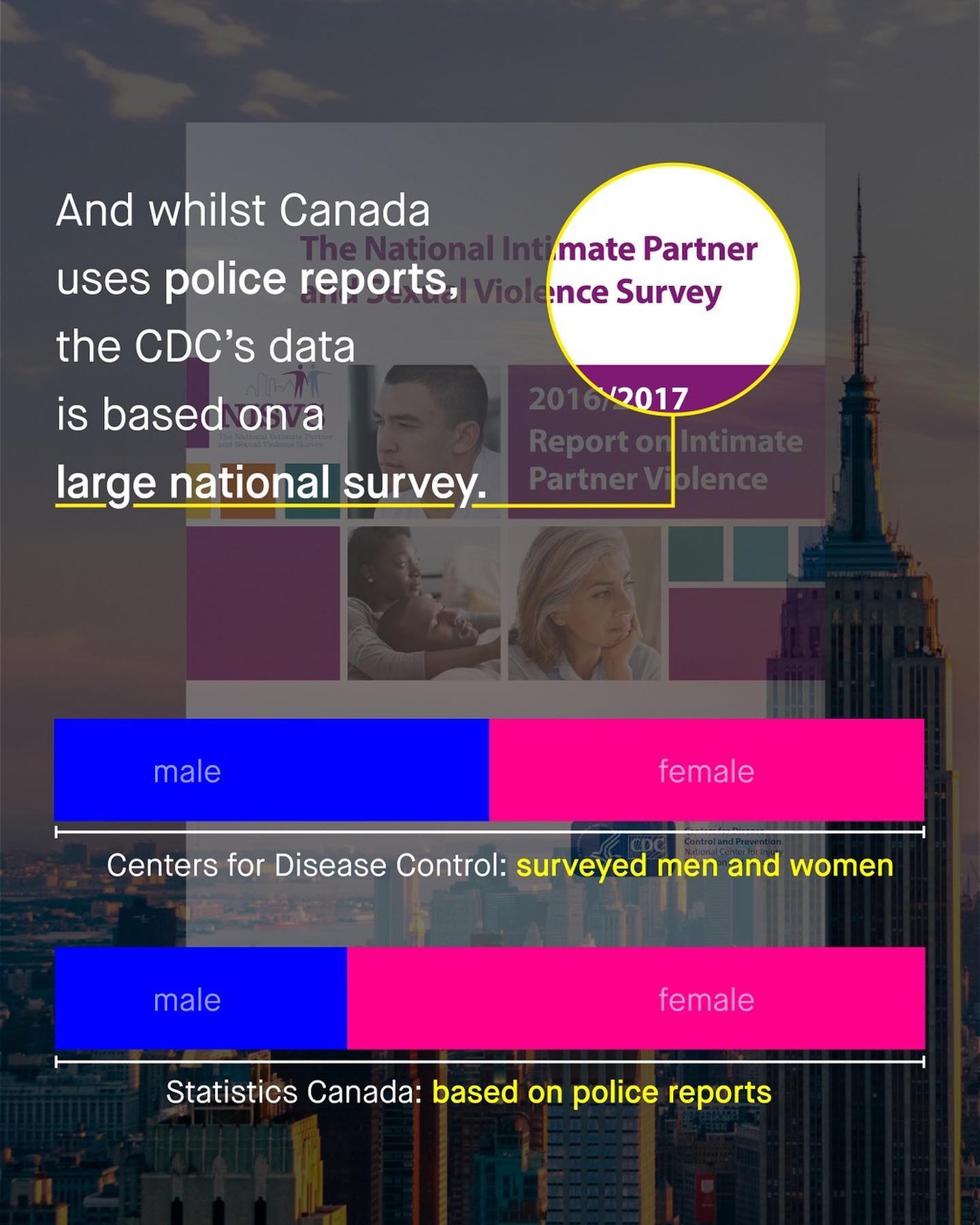
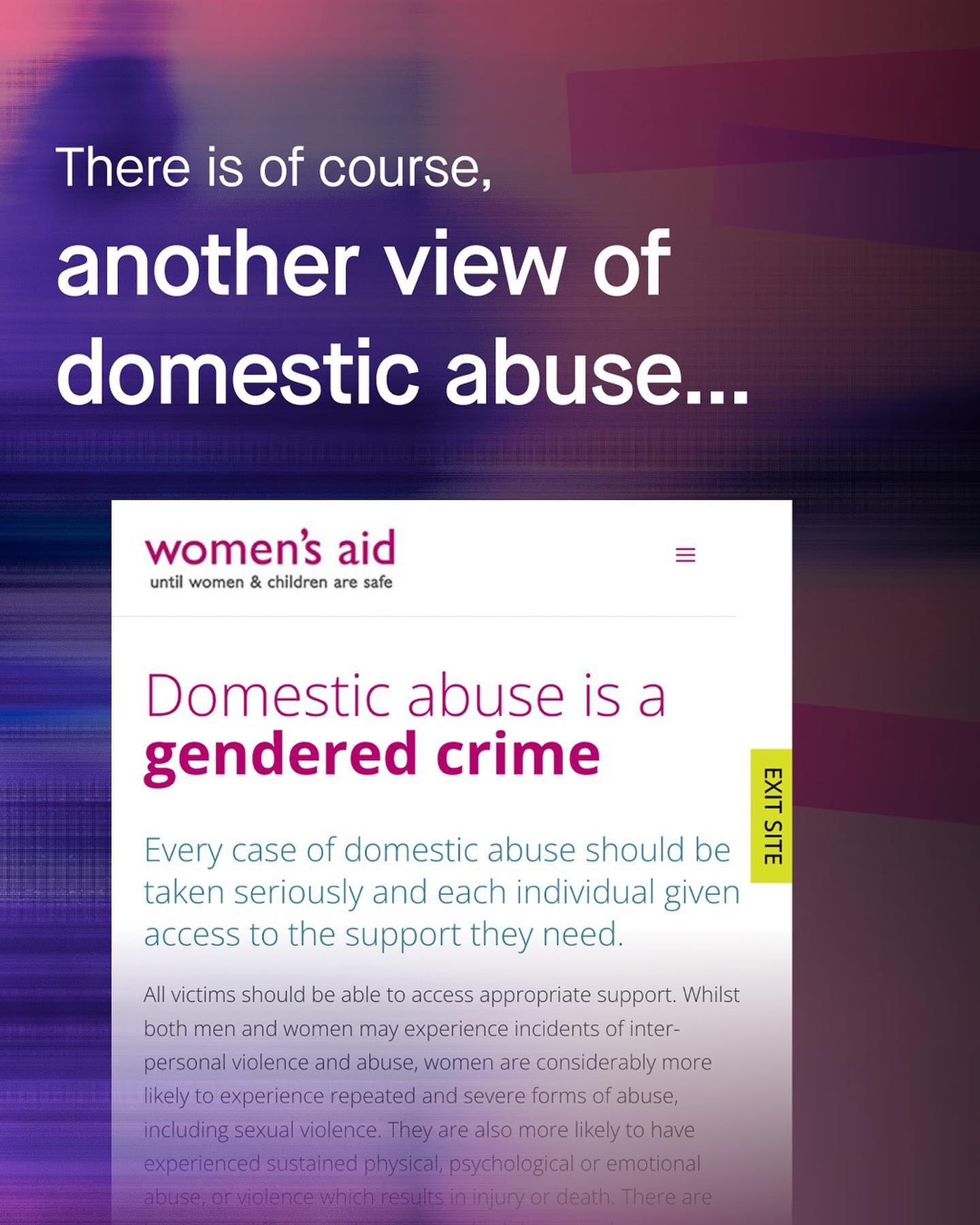
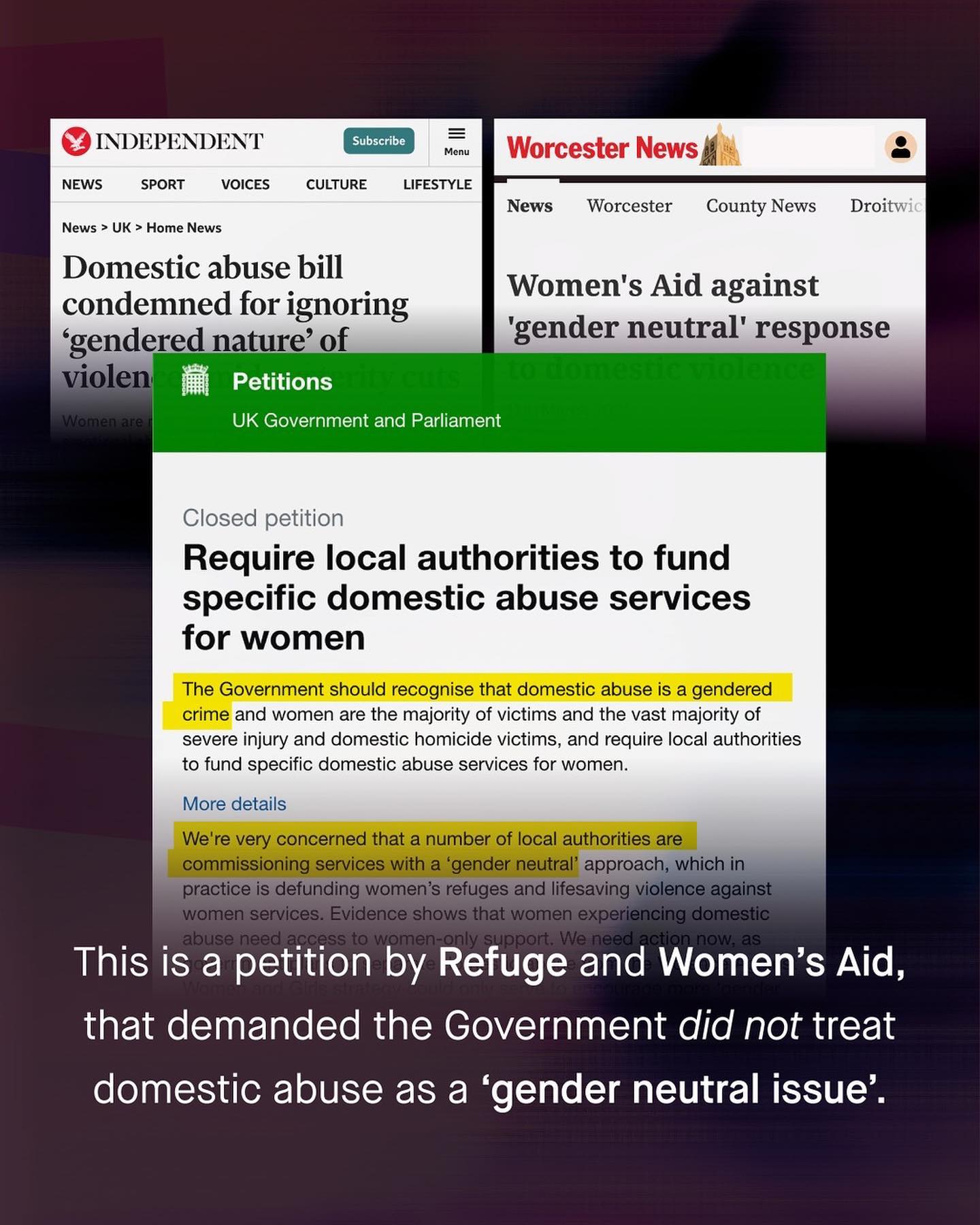
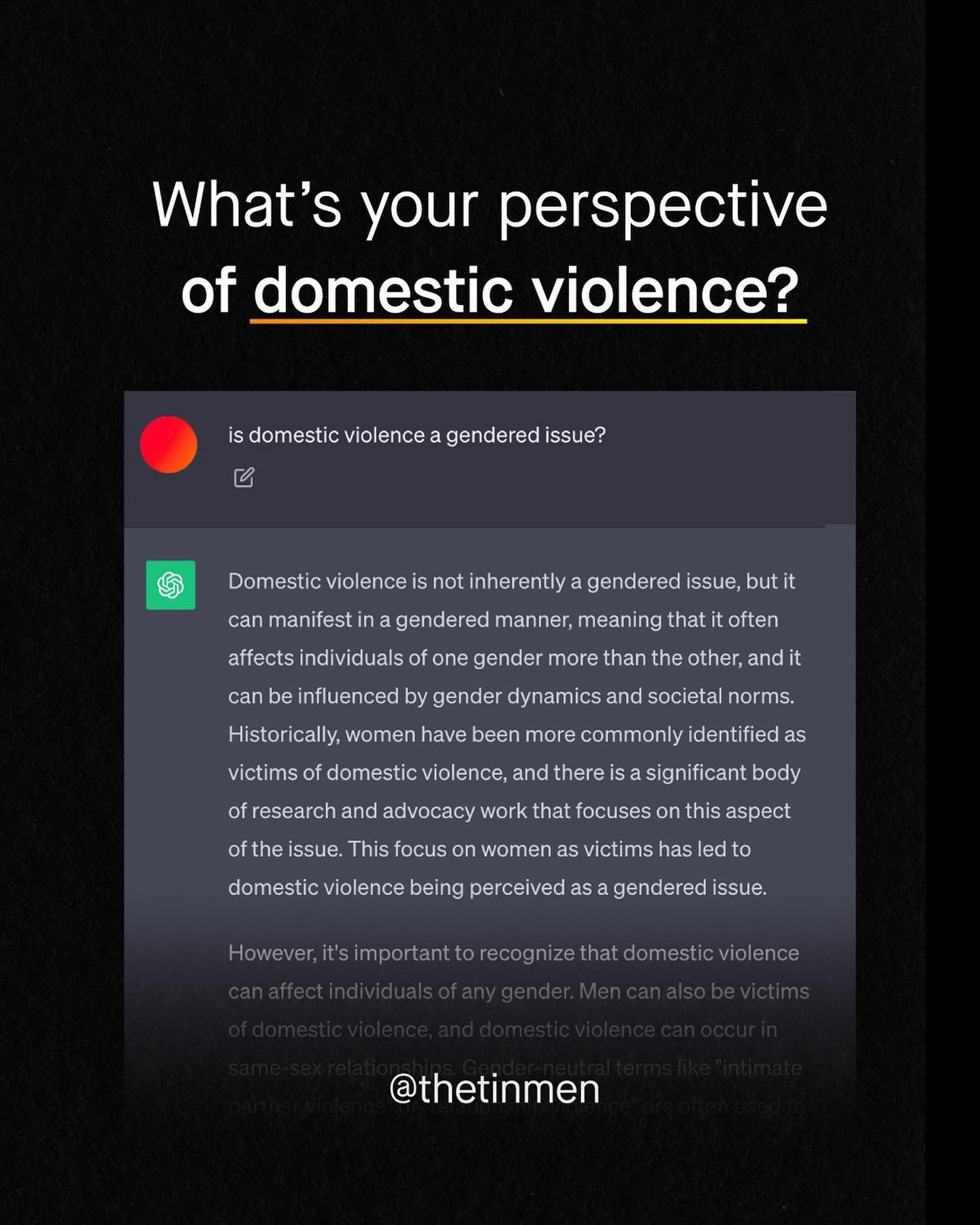
When it comes to the polarising discussion of domestic violence, everyone seems to have their own version of the facts. ‘One in three victims of abuse is a man’, you might hear. Others will say it’s ‘one in four’, or ‘one in two’, or even ‘one in ten’. Some will, as I’ve seen, refer to abused men as an ‘infinitesimally small amount’, scrunching up their face angrily with disgust. But really, the number comes down to how you collect the data, what you define as ‘abuse’, and where you are in the world. So what can we learn from the unique ways in which the Americans and the Canadians capture data on victimisation? Might Statistics Canada’s method of solely using police reports be a flawed system, where vulnerable men who don’t disclose slip through the net? Are large national surveys, like those of the CDC, any better? What is to be said about the claim of, ‘domestic violence is a gendered issue’? Some take it a step further and simply refer to it as ‘male violence’. But if ‘men’ are the problem, then why do gay male relationships have the lowest rates of intimate partner abuse, whilst lesbian female relationships some of the highest? Whatever you position, we can agree it is complicated, and confusing, to say the least. Some perspectives make sense. Some have room for improvement. Others are simply absurd. So what’s yours? How do you view domestic violence? ~ Images by Black Kiwi Hug, Luke Stakpoole, Dave AJ, Ampersand Studio, Fruit Basket, and Kit Sutman. CDC NISVS data Statistics Canada Don Dutton
2023-10-22