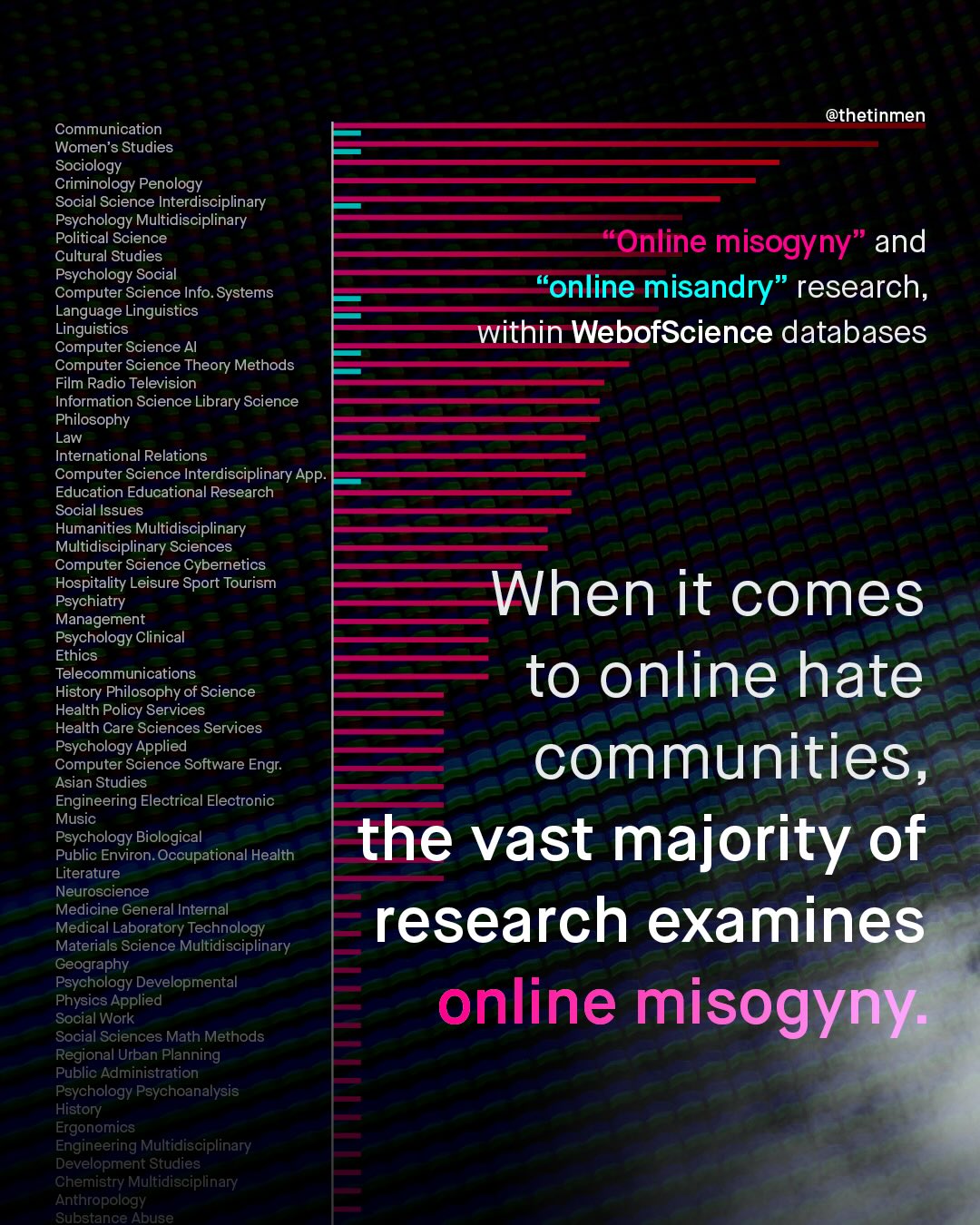
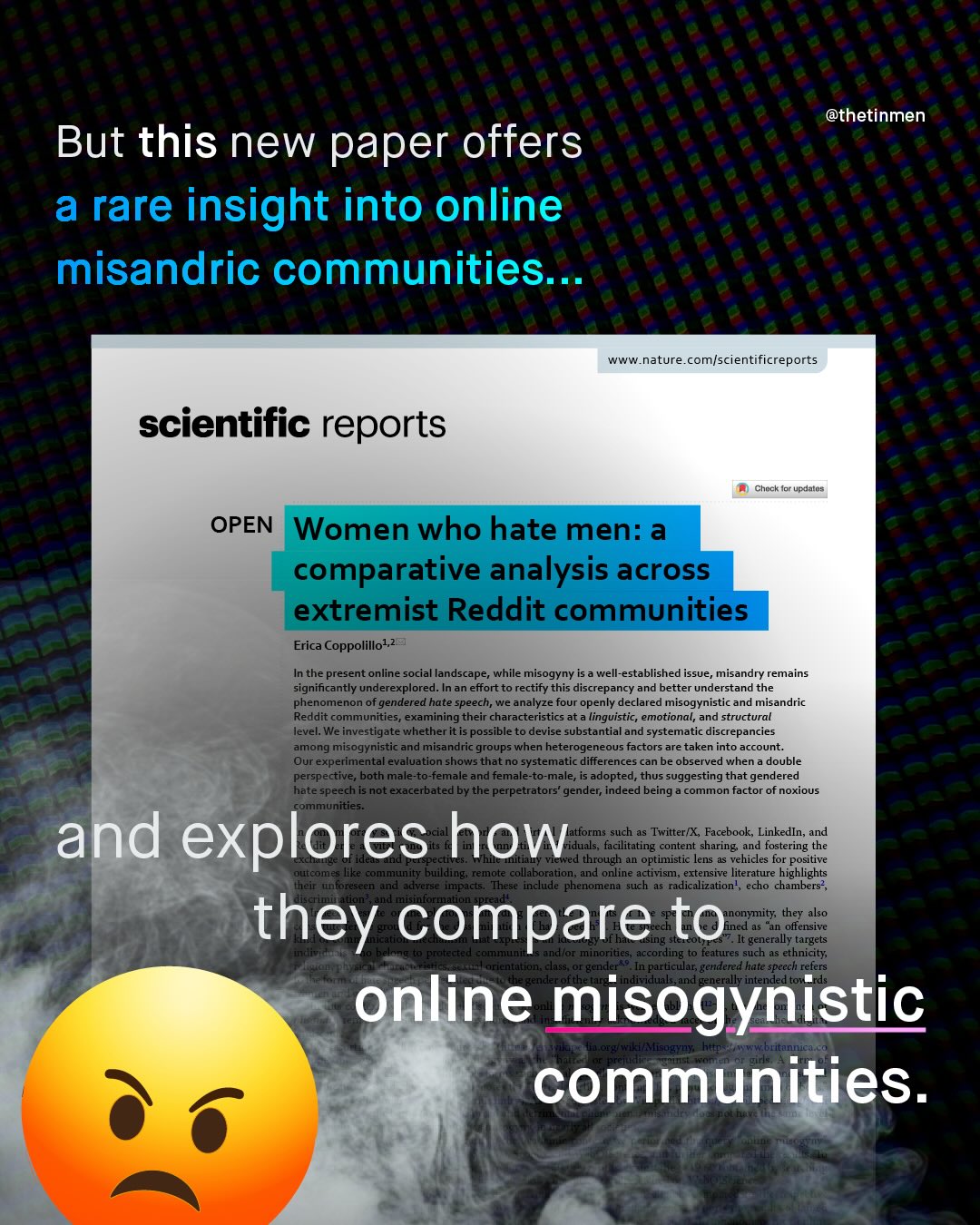
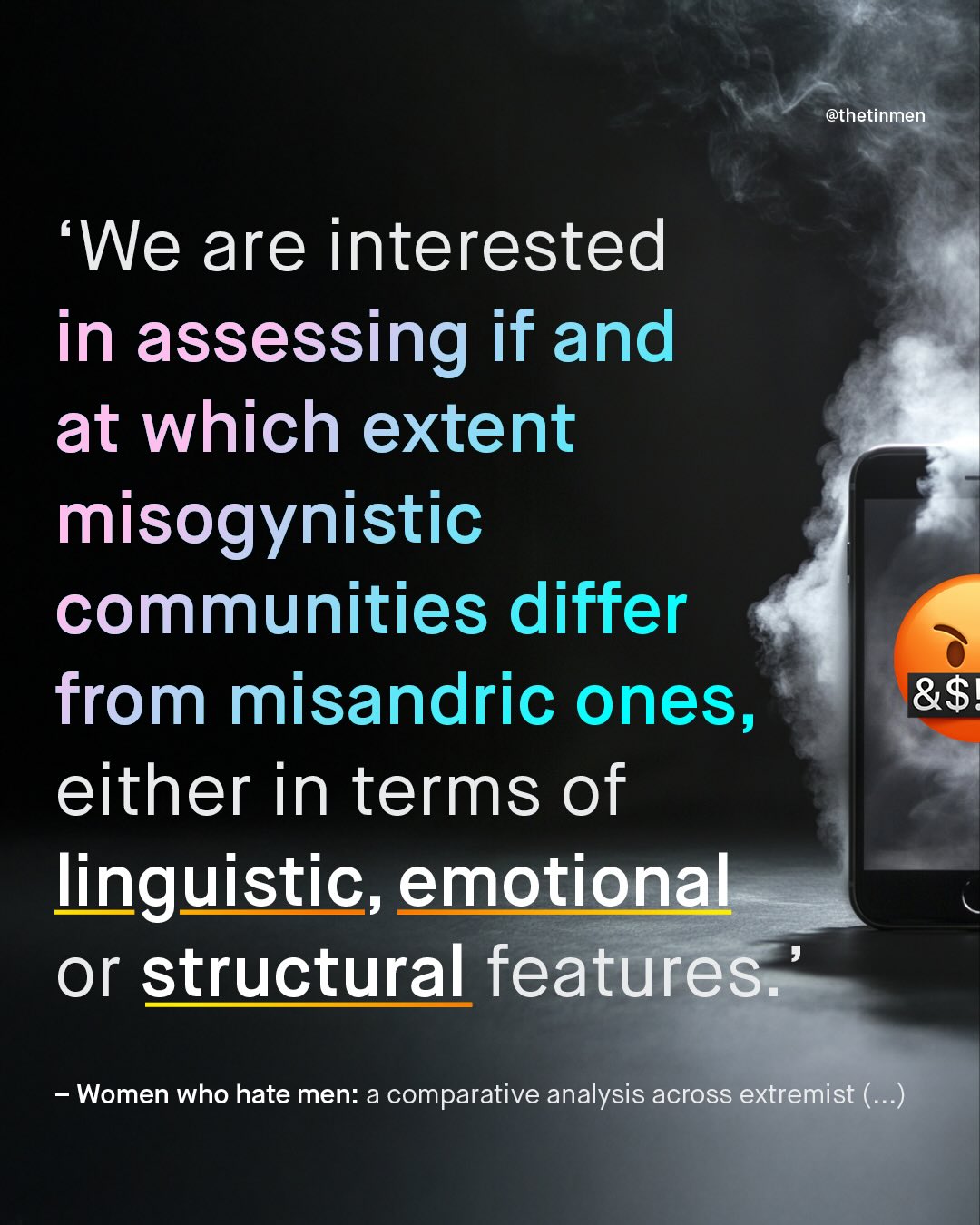
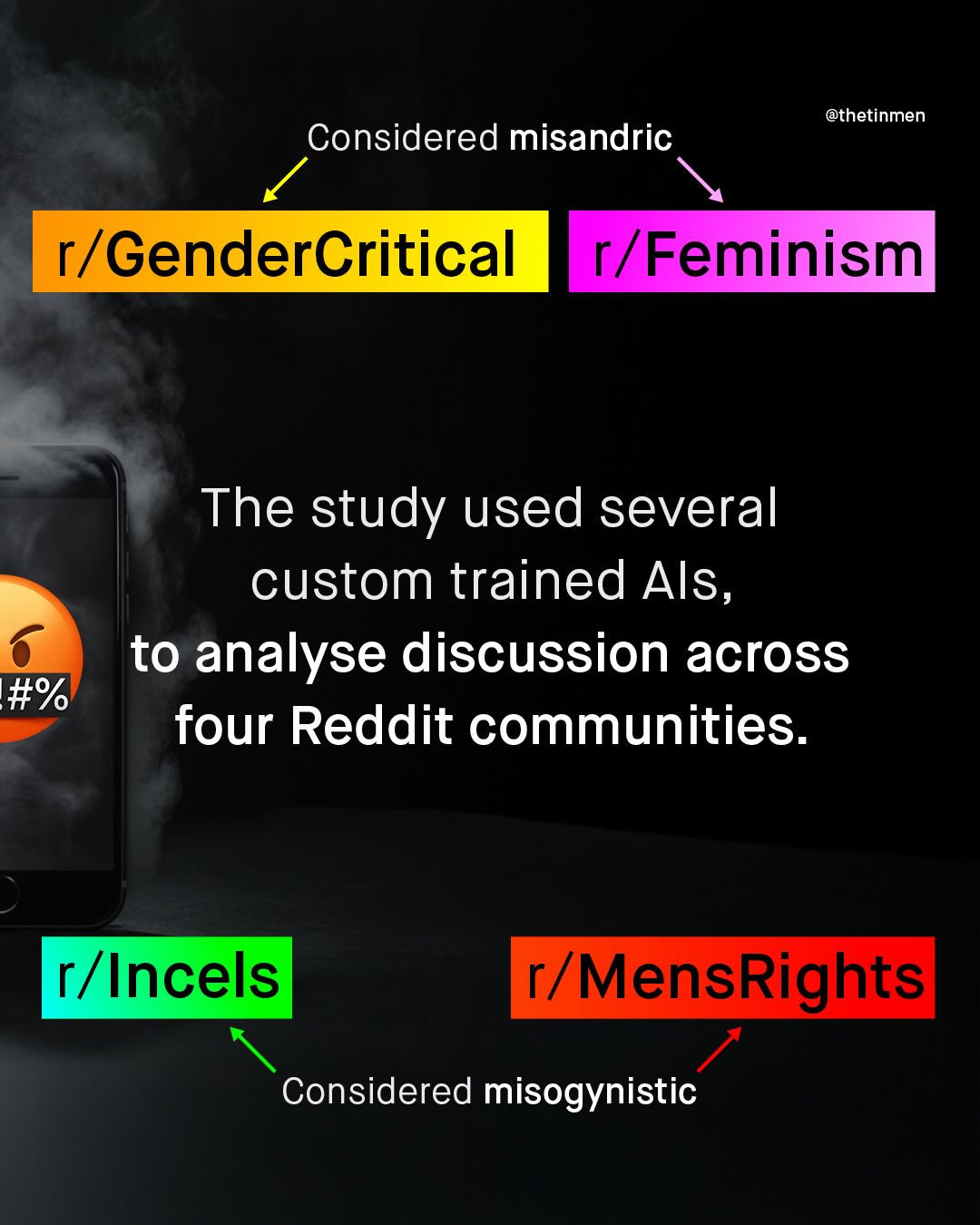
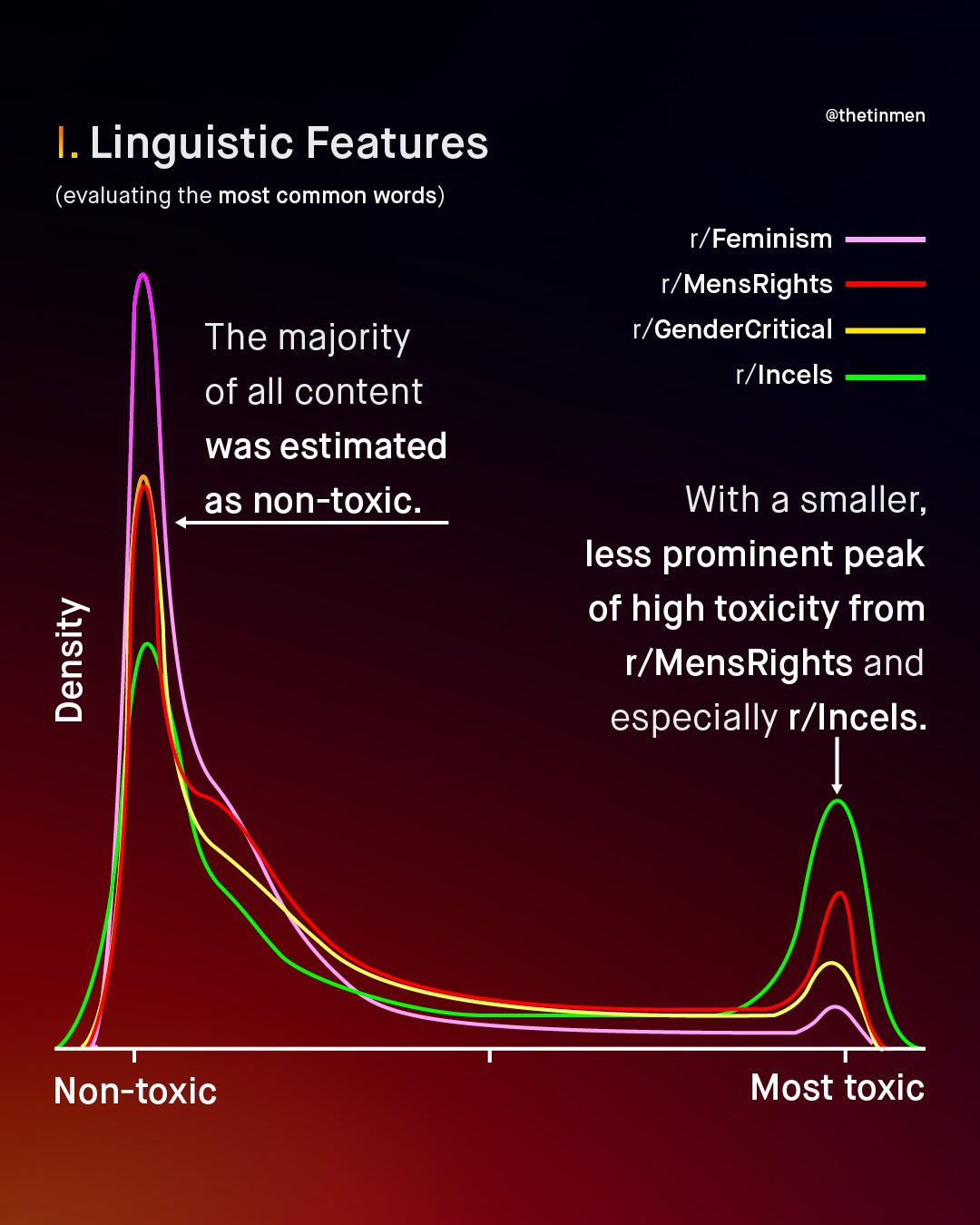
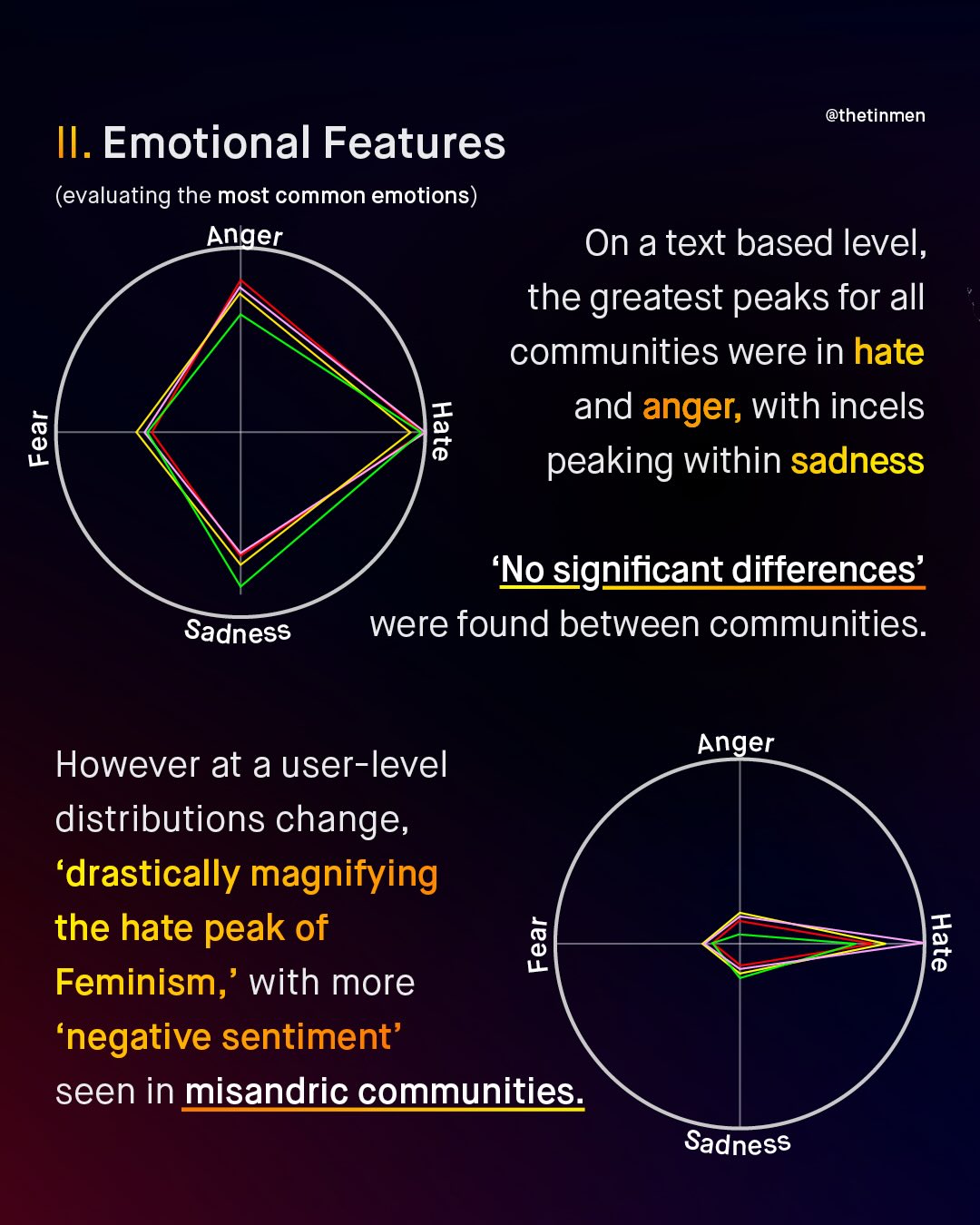
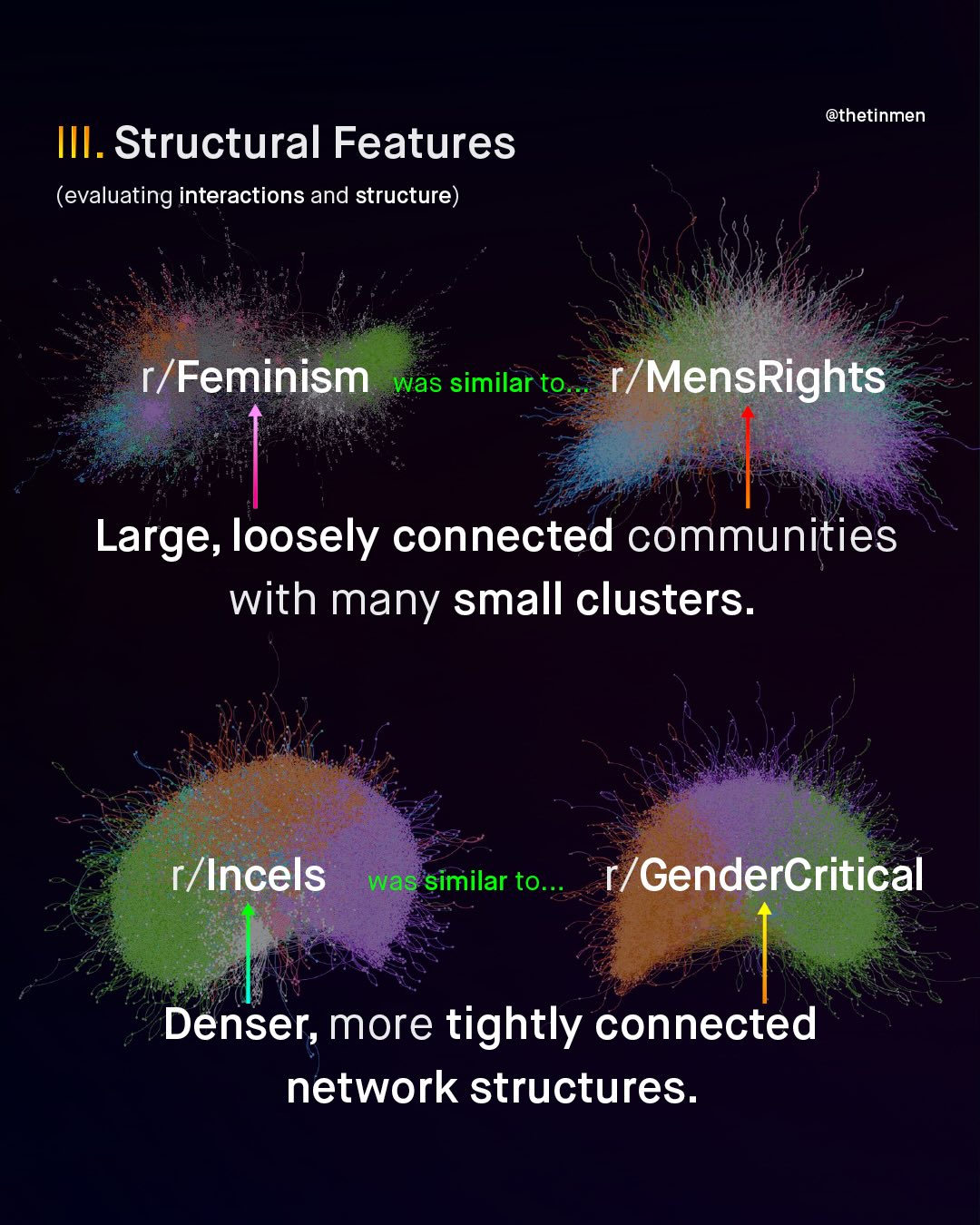
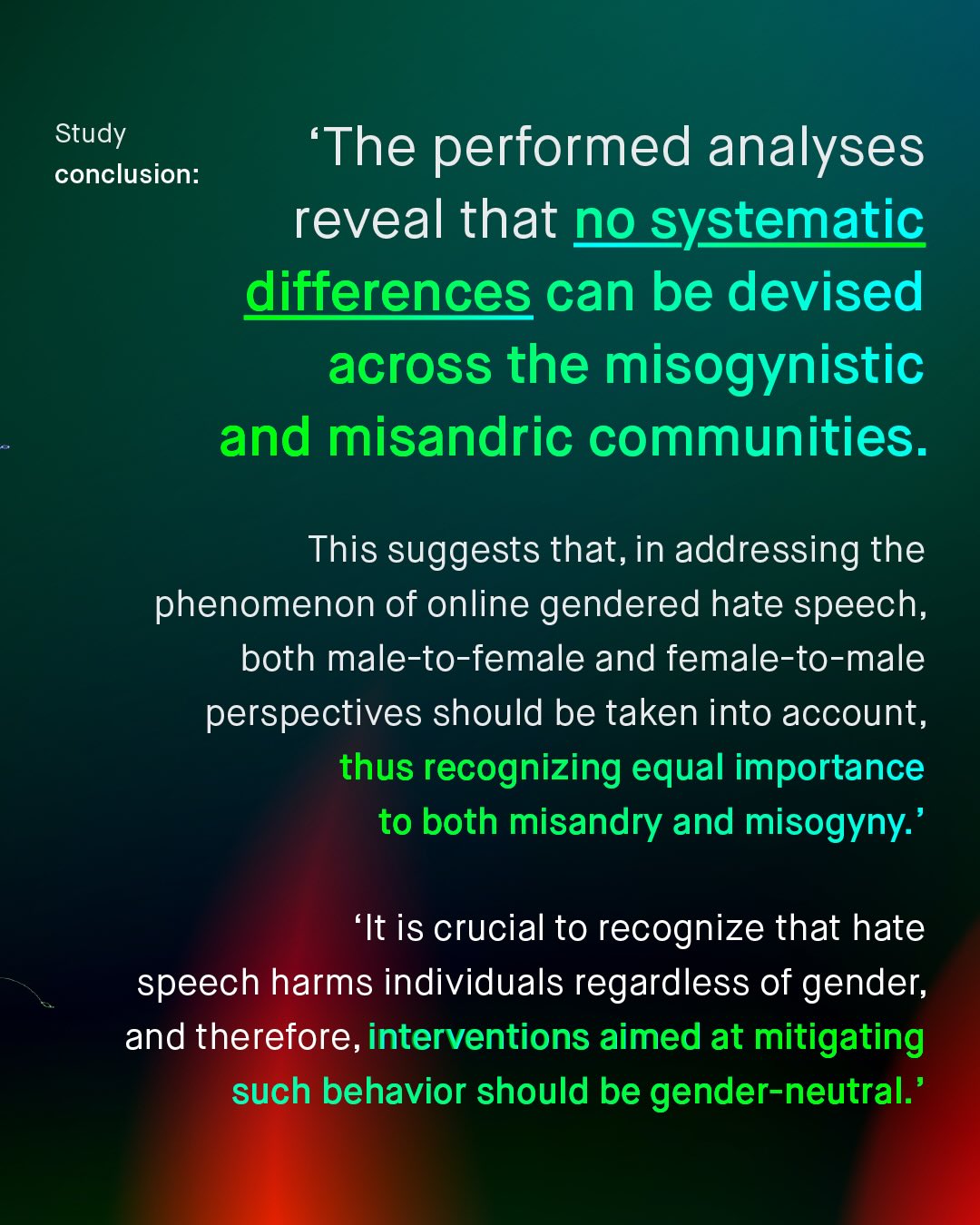
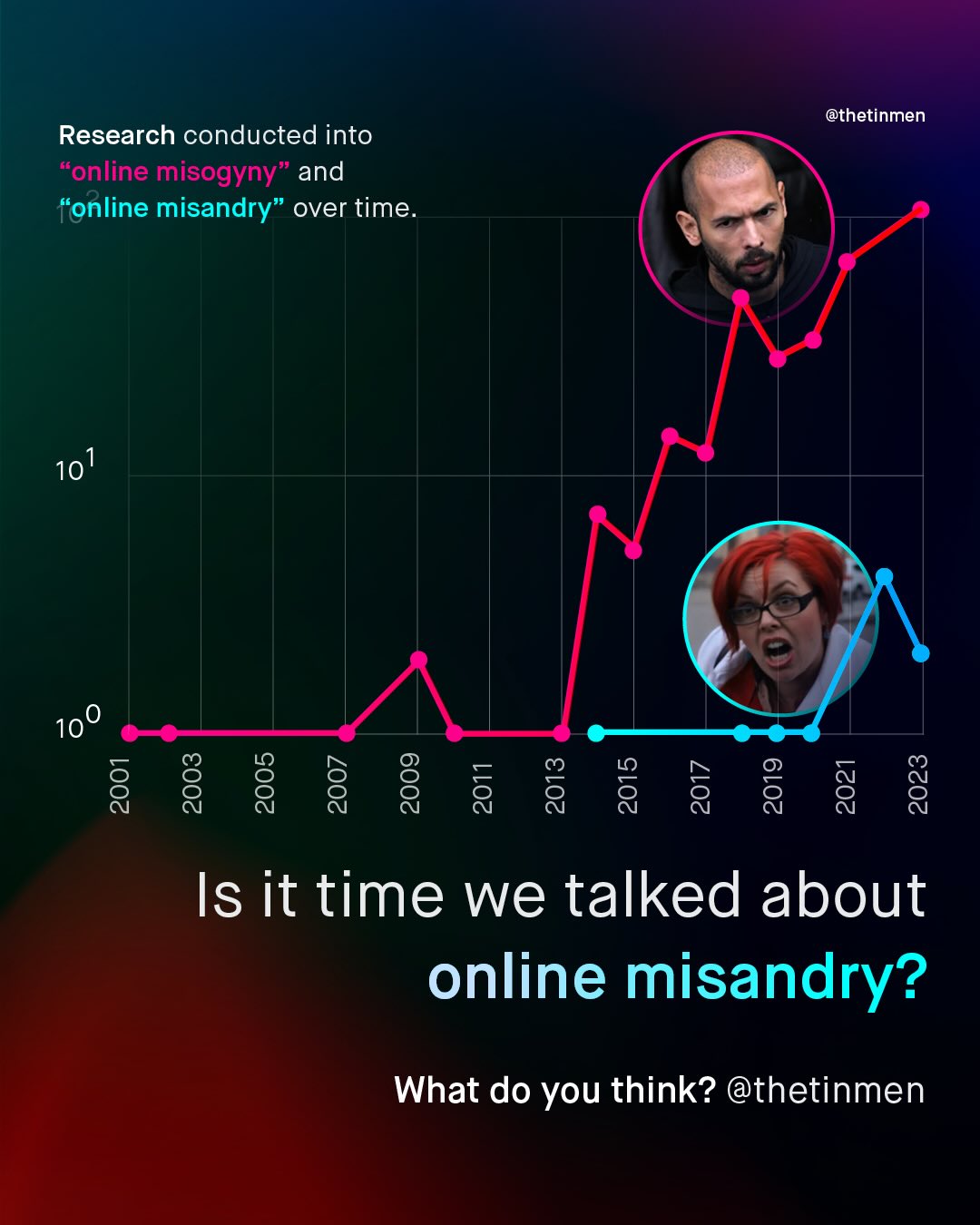

When it comes to online hate communities, it is of little surprise that the vast majority of research and awareness focuses on ‘online misogyny’. The Manosphere, The Red Pill, Andrew Tate, Digital Misogyny, are all newly fangled terms that now pepper the lexicon of society. Today, ‘Online Harms’, according to OfCom, is being re-evaluated to focus on ‘women and girls’, with the very laws around hate speech similarly being rewritten to criminalize ‘misogyny’ as a hate crime. I don’t deny such changes can be useful, and are needed; I see plenty of awful things said about women online, but so too I see and experience awful things said about men. Terrible things are said about mens mental health, and about male loneliness; even men who quietly attempt to end their lives are cruelly targeted, with disgraceful talk of “let’s get those numbers higher!” The only difference seems to be that online misogyny is largely condemned by society, whilst online misandry is scoffed and sneered at, to be widely minimized, or denied altogether. But I ronically, nothing is more misandric, than denying its very existence. So, it is refreshing to see a new paper, published in the world’s most respected scientific journal, that not only examines online misandry, but compares it to online misogyny across various linguistic, emotional and structural levels. And the results may well surprise you… What do you think? ~ Full study here https://tinyurl.com/2s4jwn3b
2025-12-17