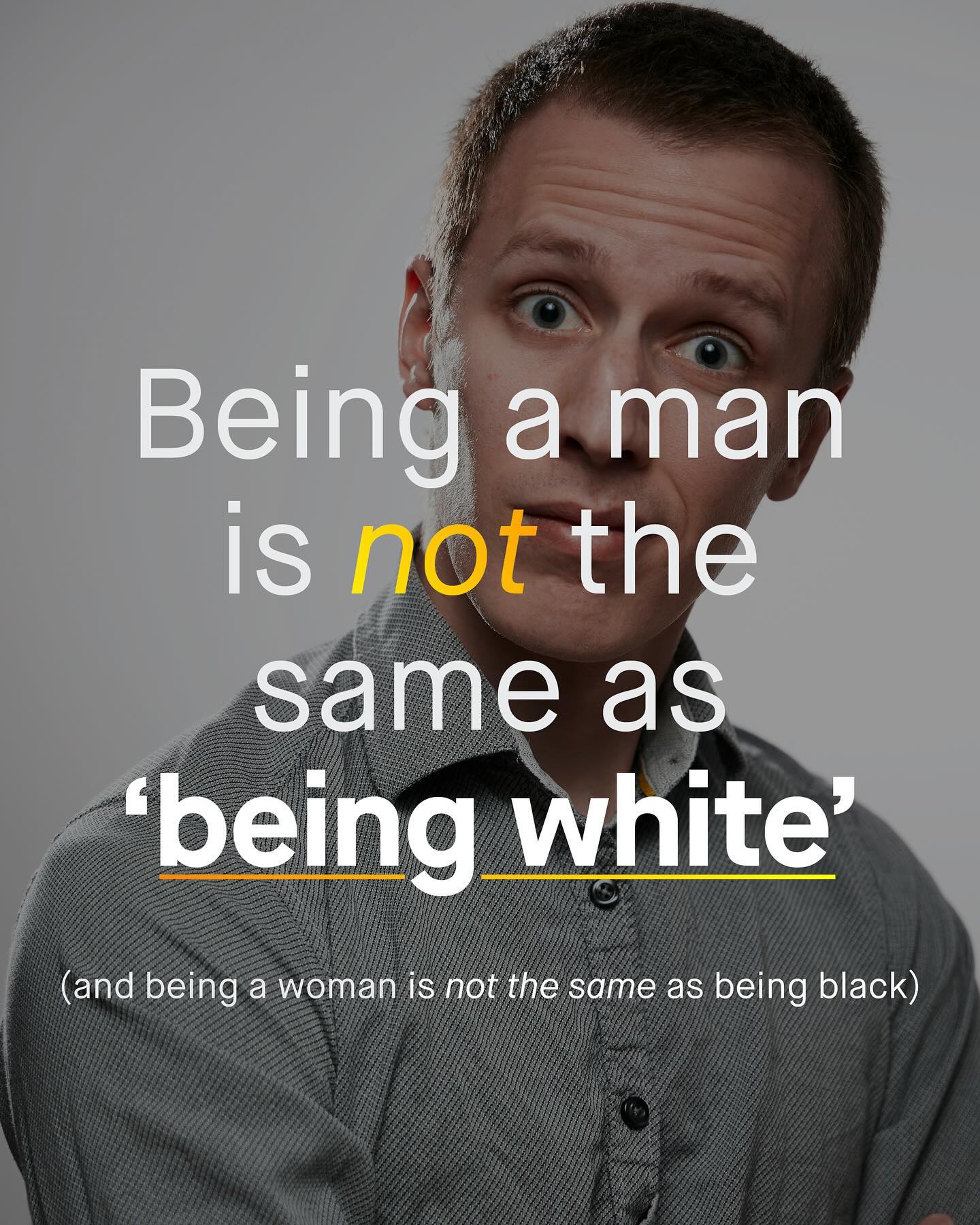
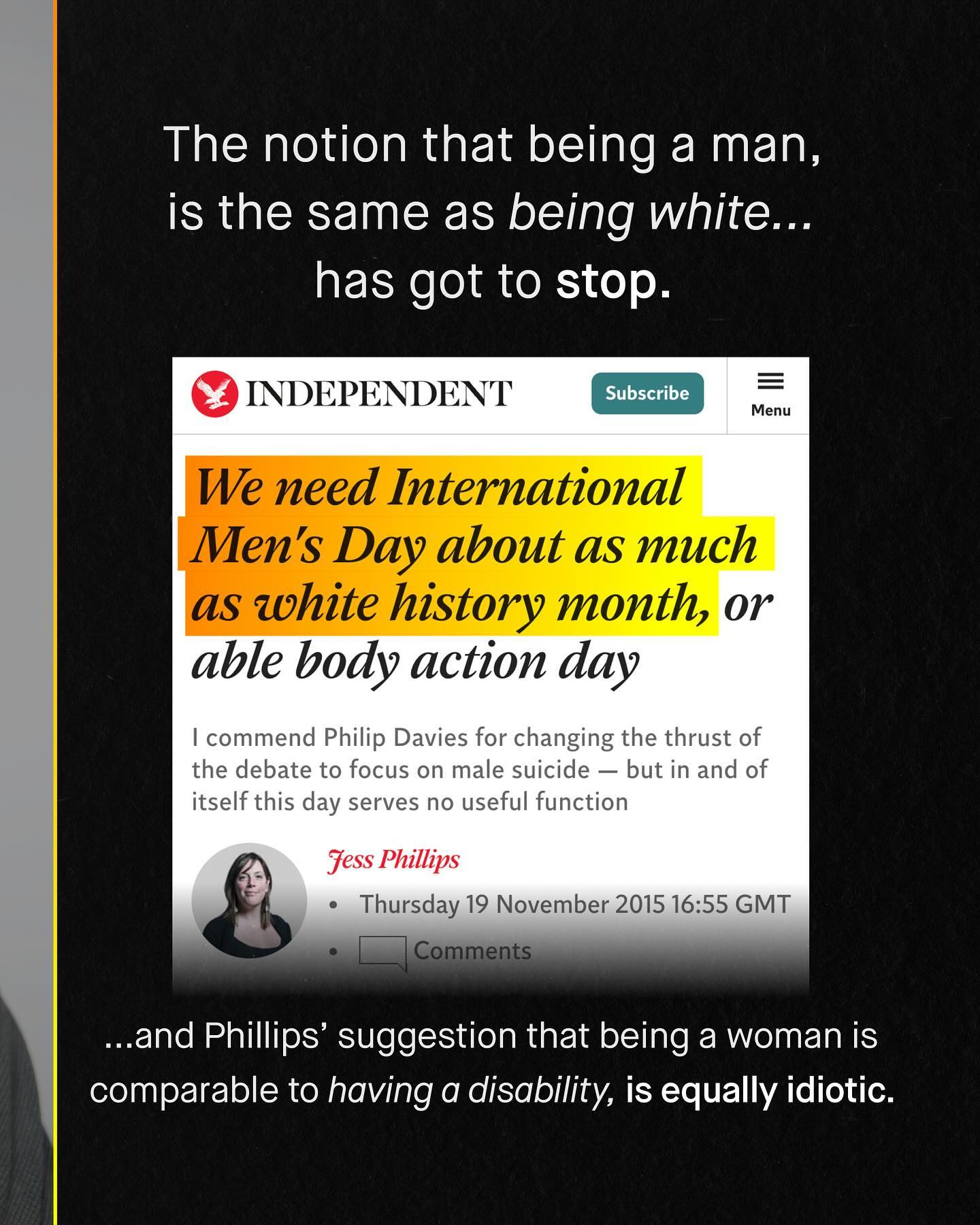
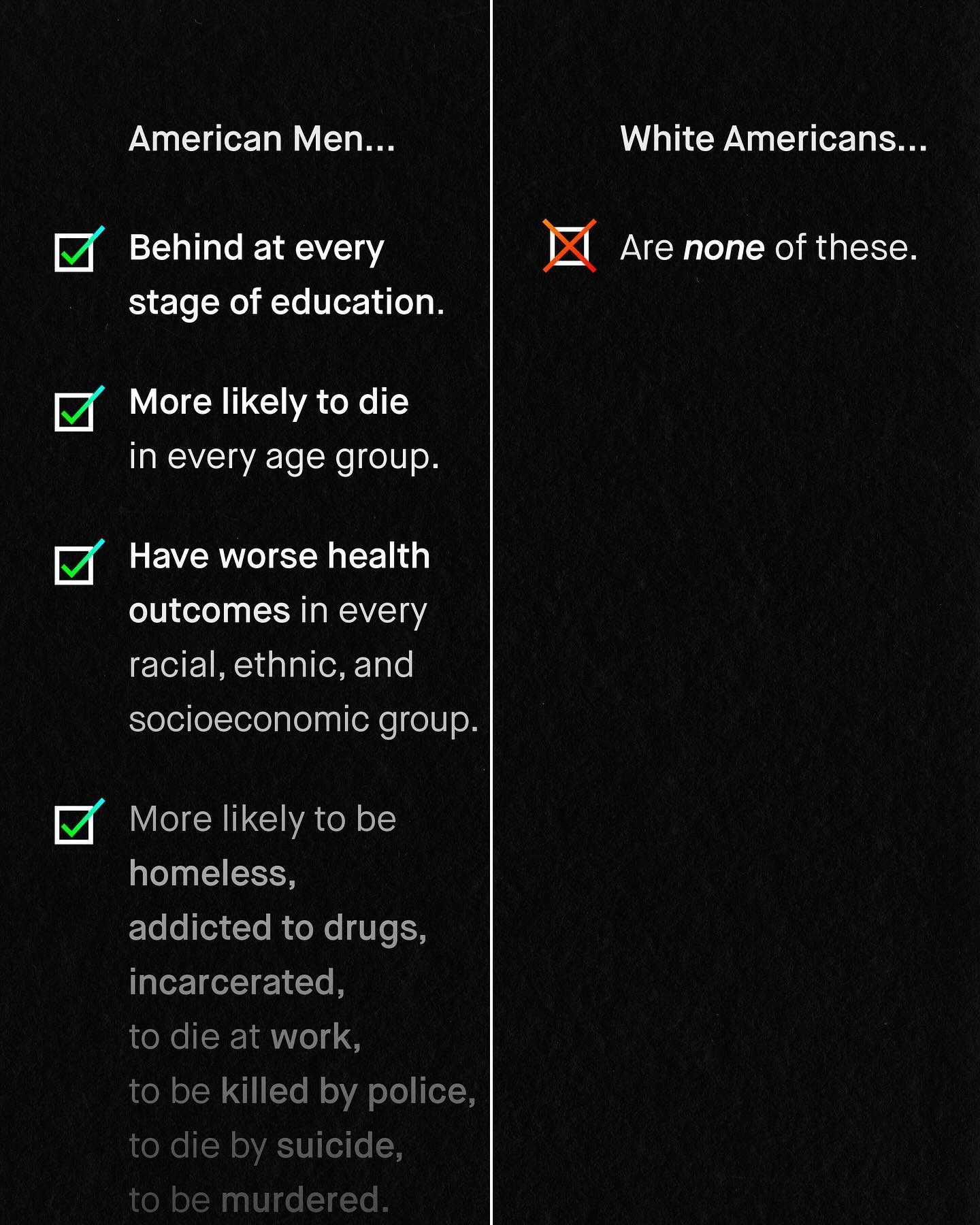
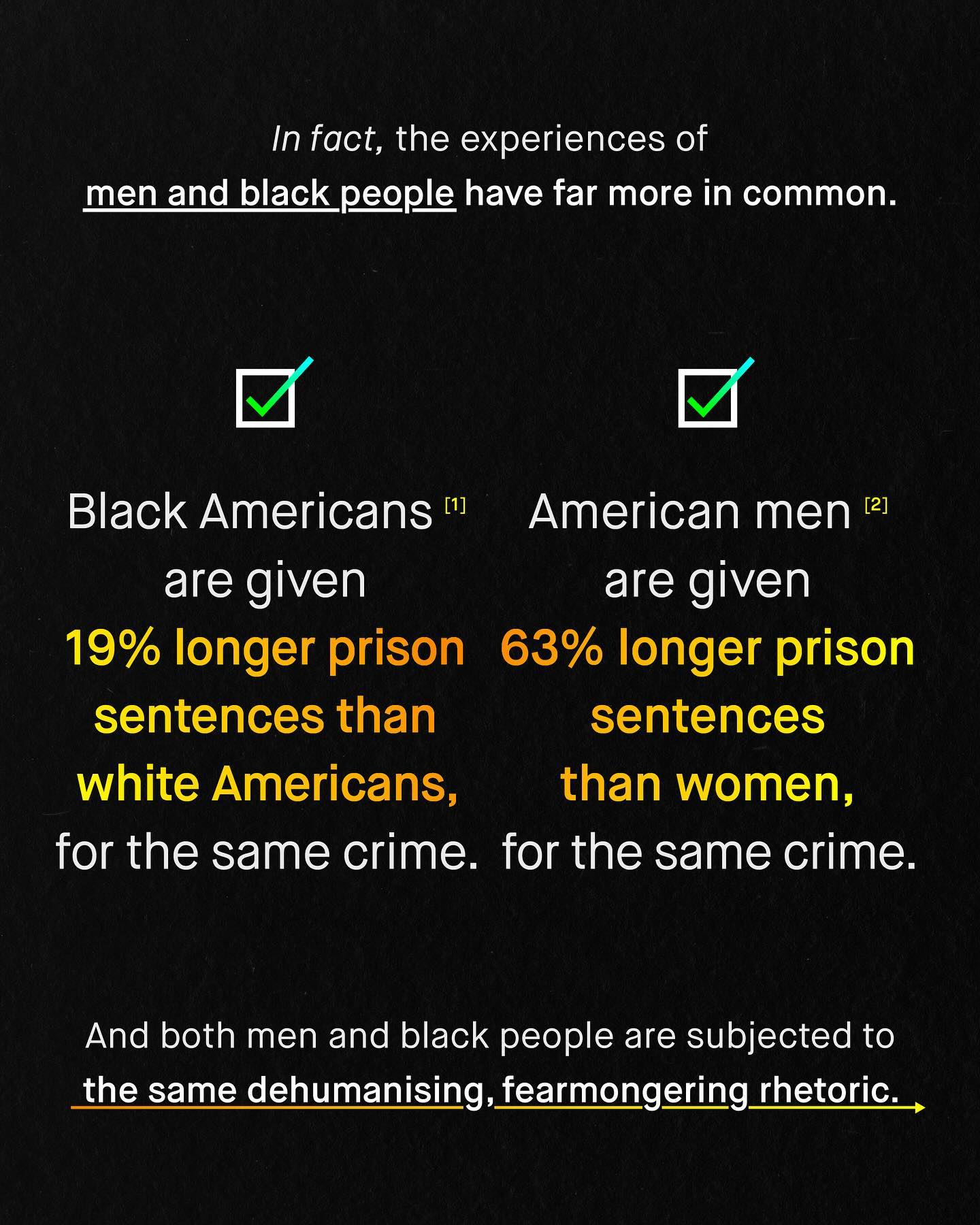
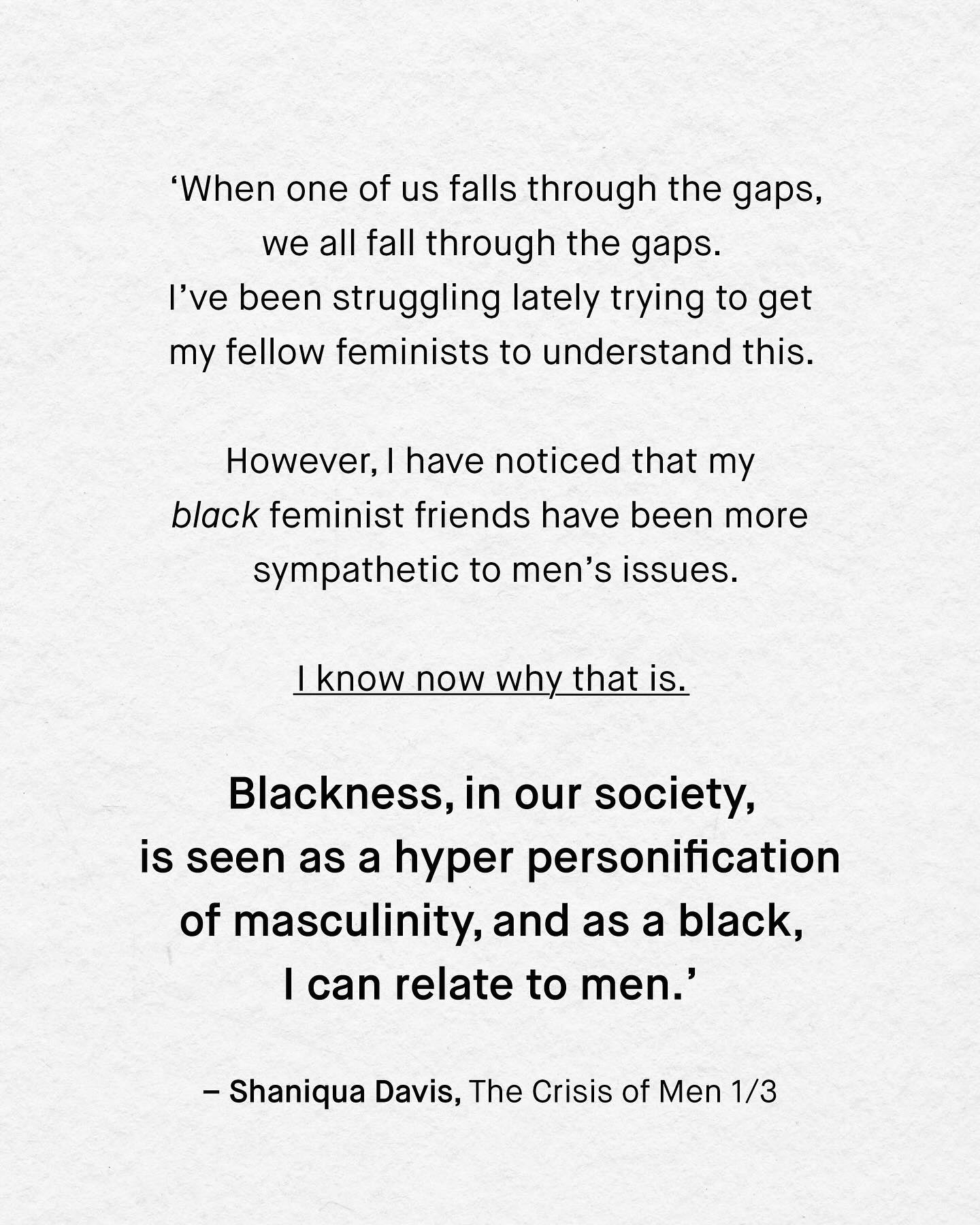
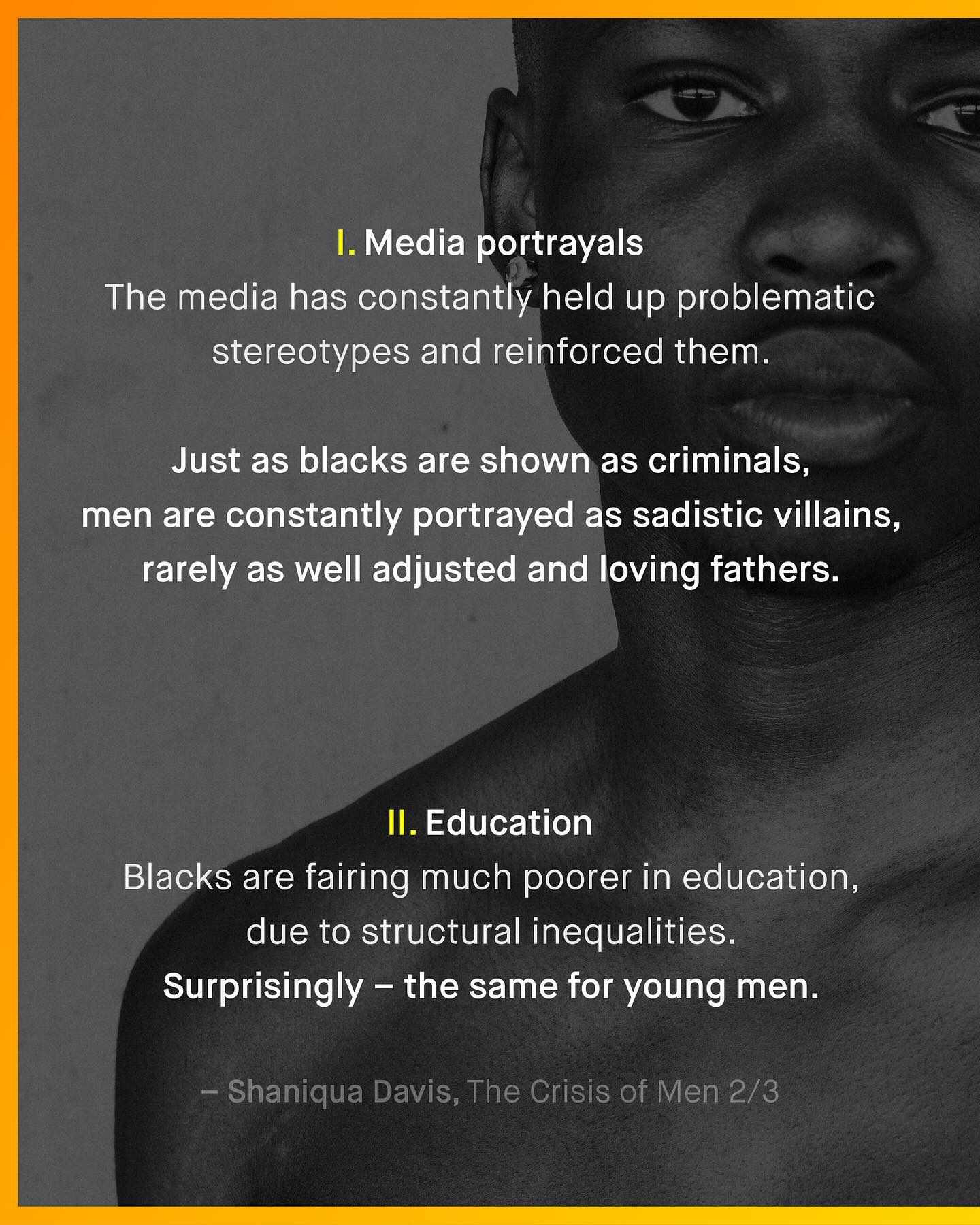
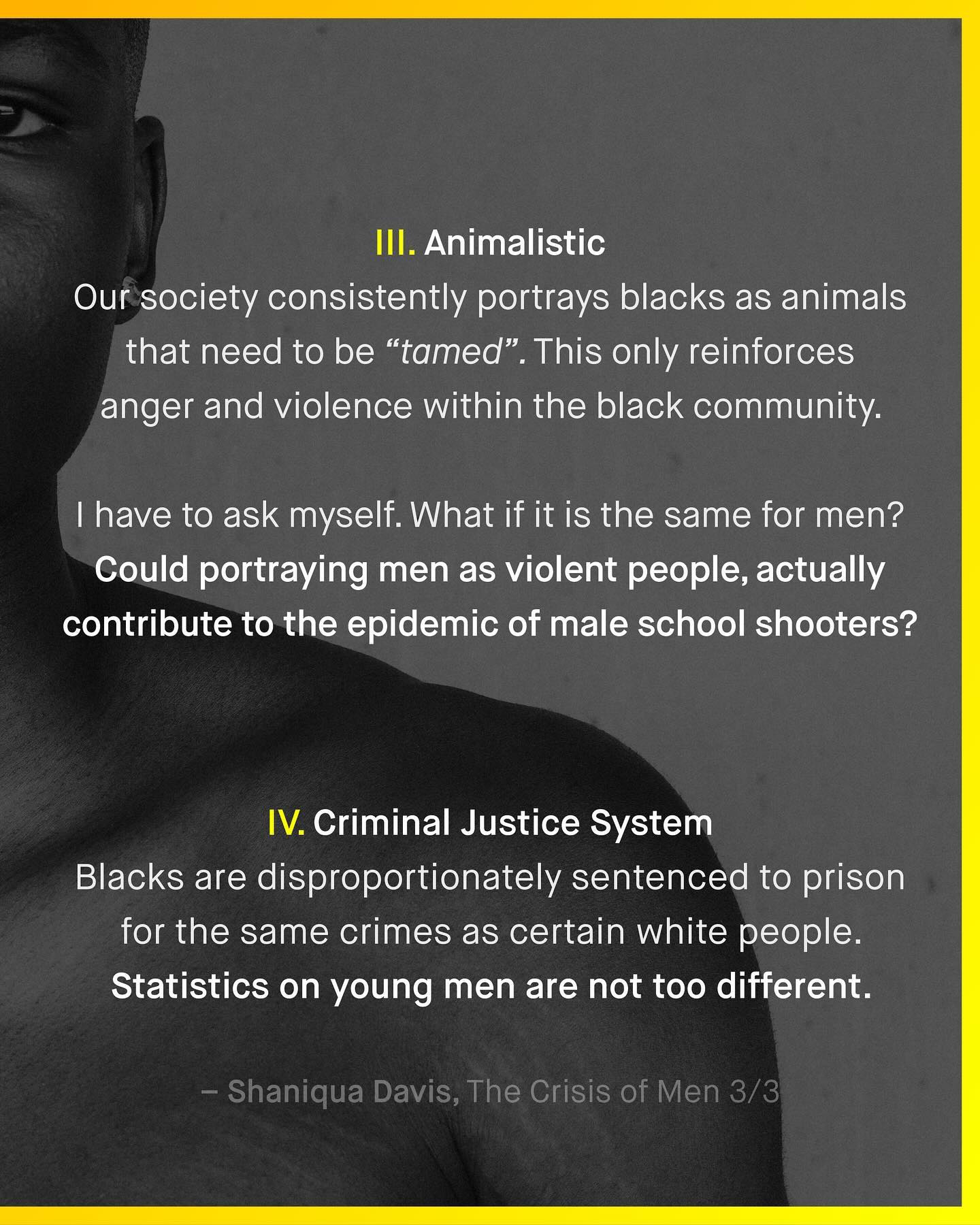
In the topsy-turvy universe of identity politics; propagandists of many ilks scramble to place themselves atop the neck-achingly high oppression pyramid. It’s a strange and emerging world, where SJWs burp out any number of pseudo-intellectual infographics and diagrams, each fraught with terrifying terms like ‘male oppression’, ‘privilege’ and of course, the omnipresent ultimate supervillain of the world: ‘the patriarchy’. It’s a confusing maze for all of us. And then comes intersectionality. Here impossibly complex dynamics of varying issues are webbed together, comparing ‘this’ to ‘that’, in a way that professes to illuminate issues, but more often than not, obscures more than it reveals. Perhaps the most popular of these intersectional links, is the one that suggest women’s experiences are comparable to those of black people. In my mind, an absurd and offensive suggestion, that really ought to be retired, and consigned to history’s growing section of ‘embarrassing gaffs’. Because being a woman is not the same as being black. Not now, and certainly not historically. And if we are to play this game, I wonder if such a link is the wrong way round; with the experiences of men and of black people, having far more in common. Similar both in terms of poor outcomes (particularly in health and education); but also similar in how society stokes fear around black people, and men, and double points of course, to those who are black men. There is a sign that hangs around the necks of both groups, reading ‘dangerous’, ‘animalistic’, ‘violent’, or ‘guilty’. And it’s a sign picked up by everyone in society, particularly by police, to our judicial system. So is being a woman at all similar to being black? Are such experiences better compared to men? Or are both equally wrong? What do you think? - Shaniqua Davis, The Crisis of Men [1] [2] Images by Karabo Mdluli, and Ludovic Migneaultt
2024-08-07