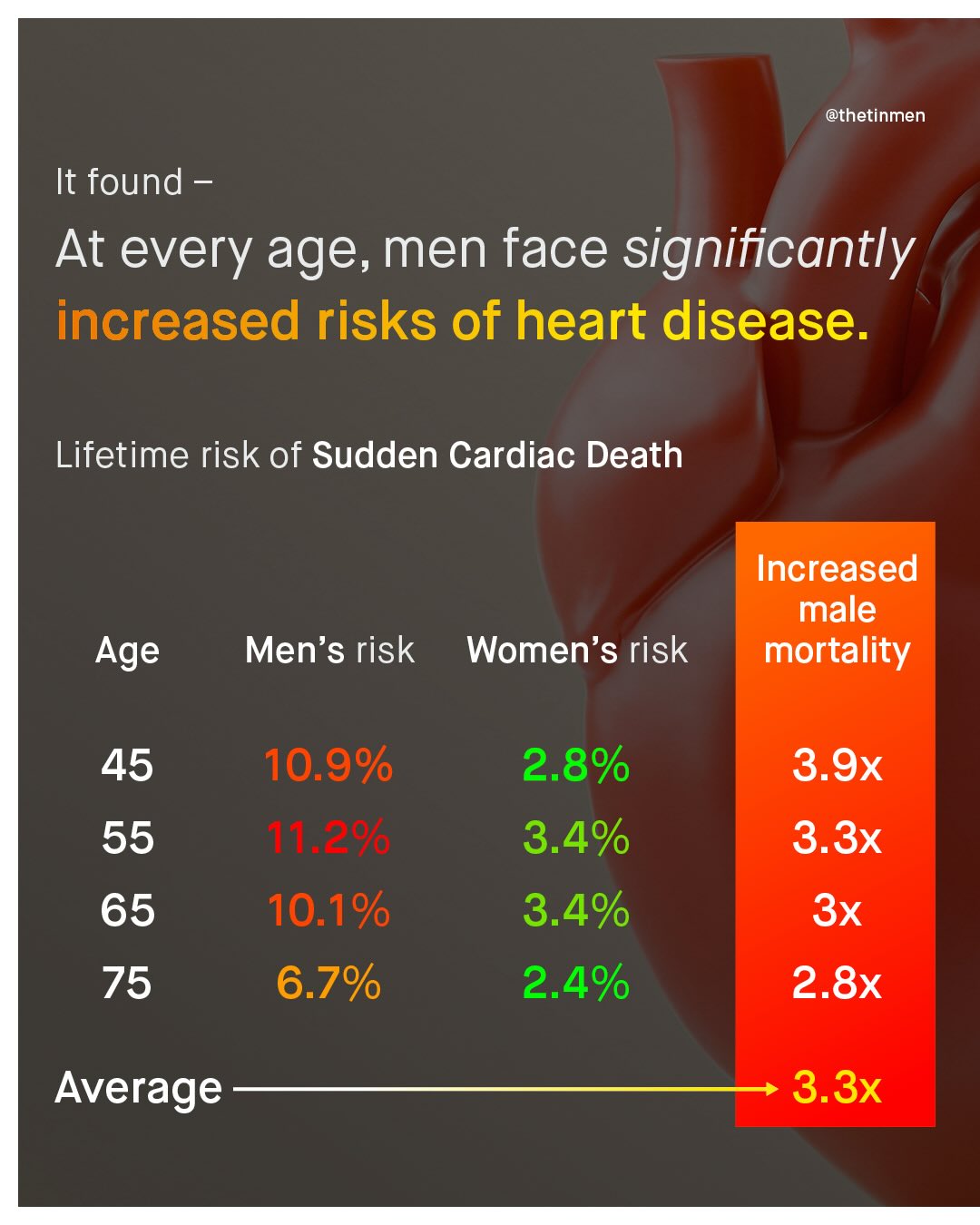
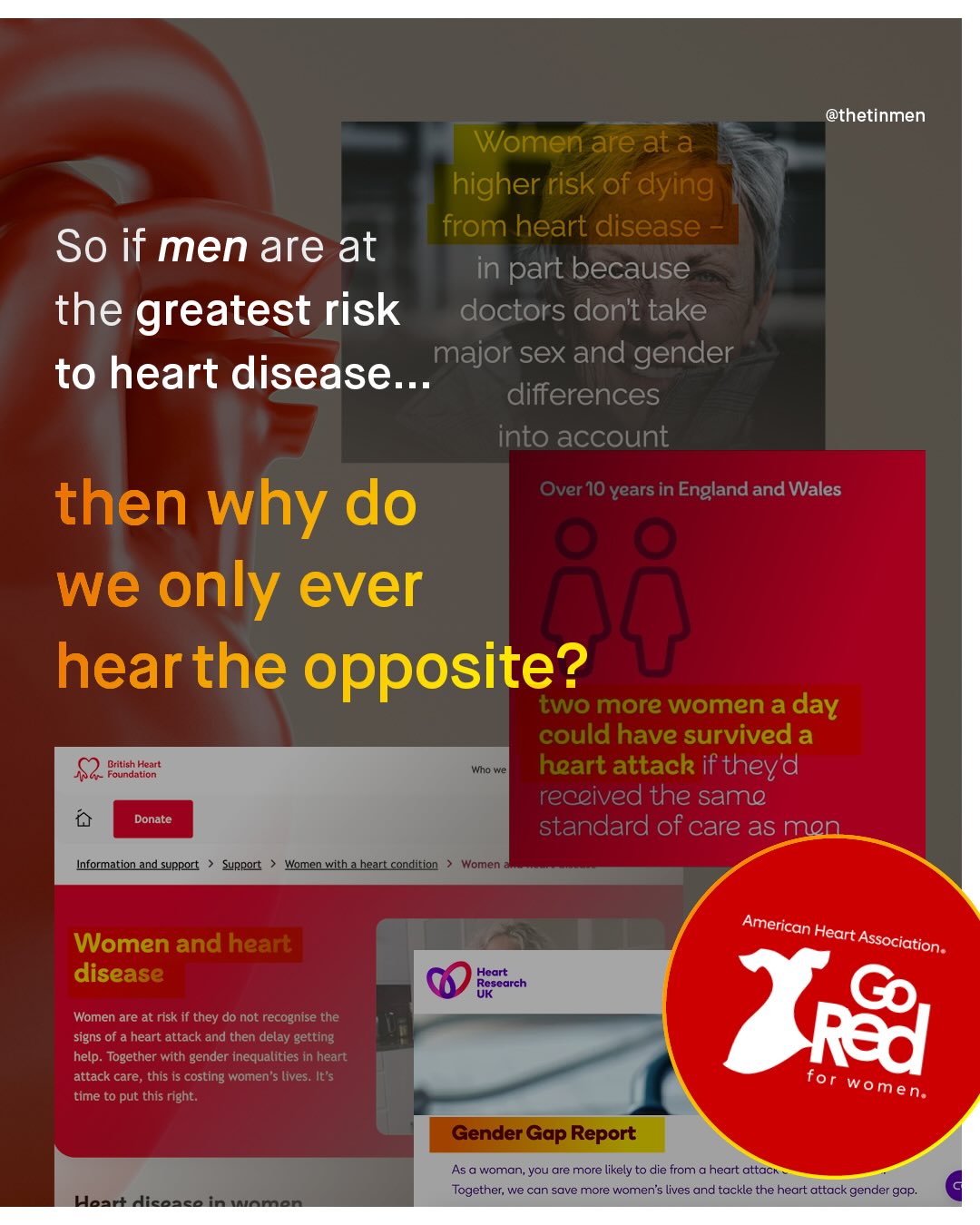
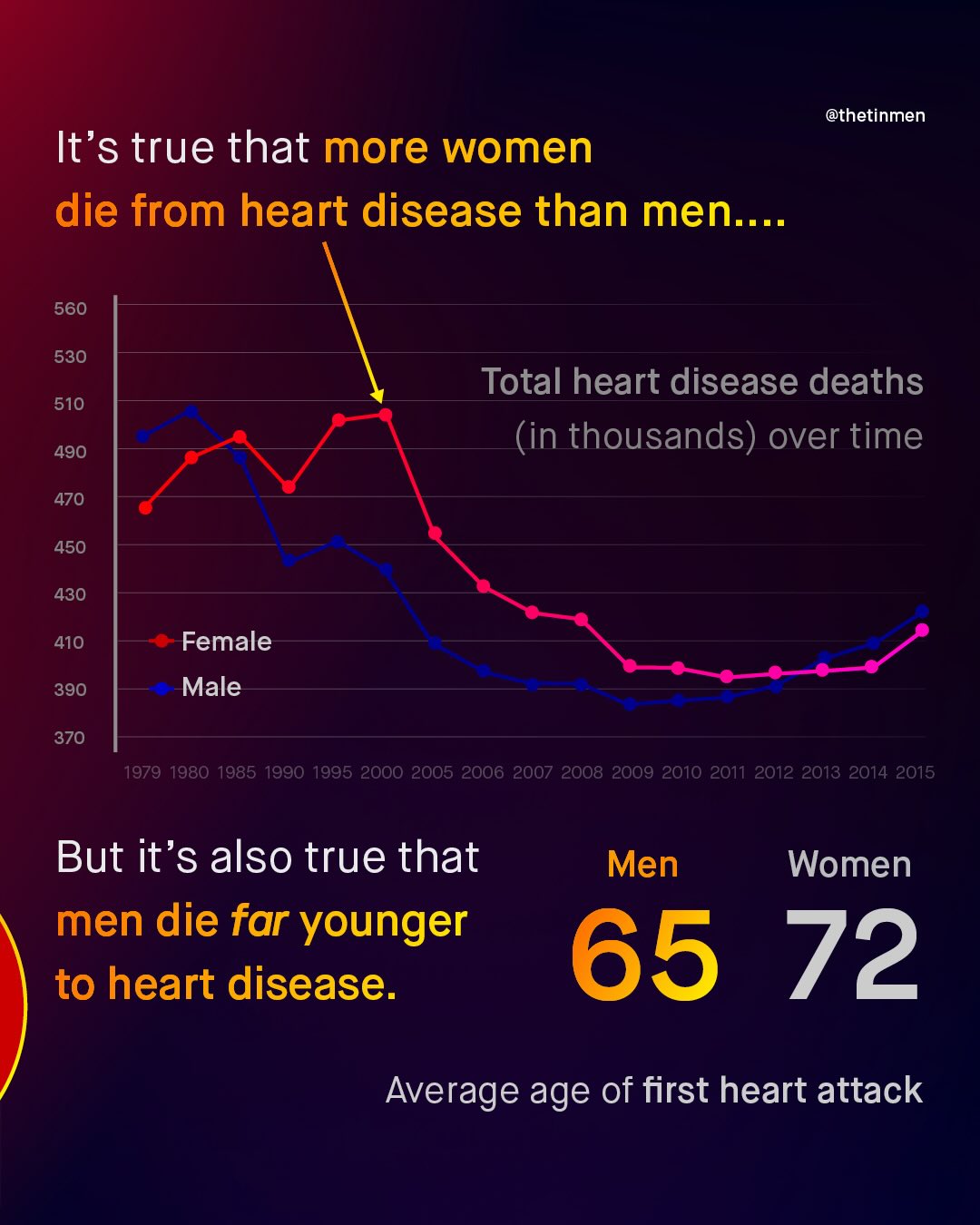
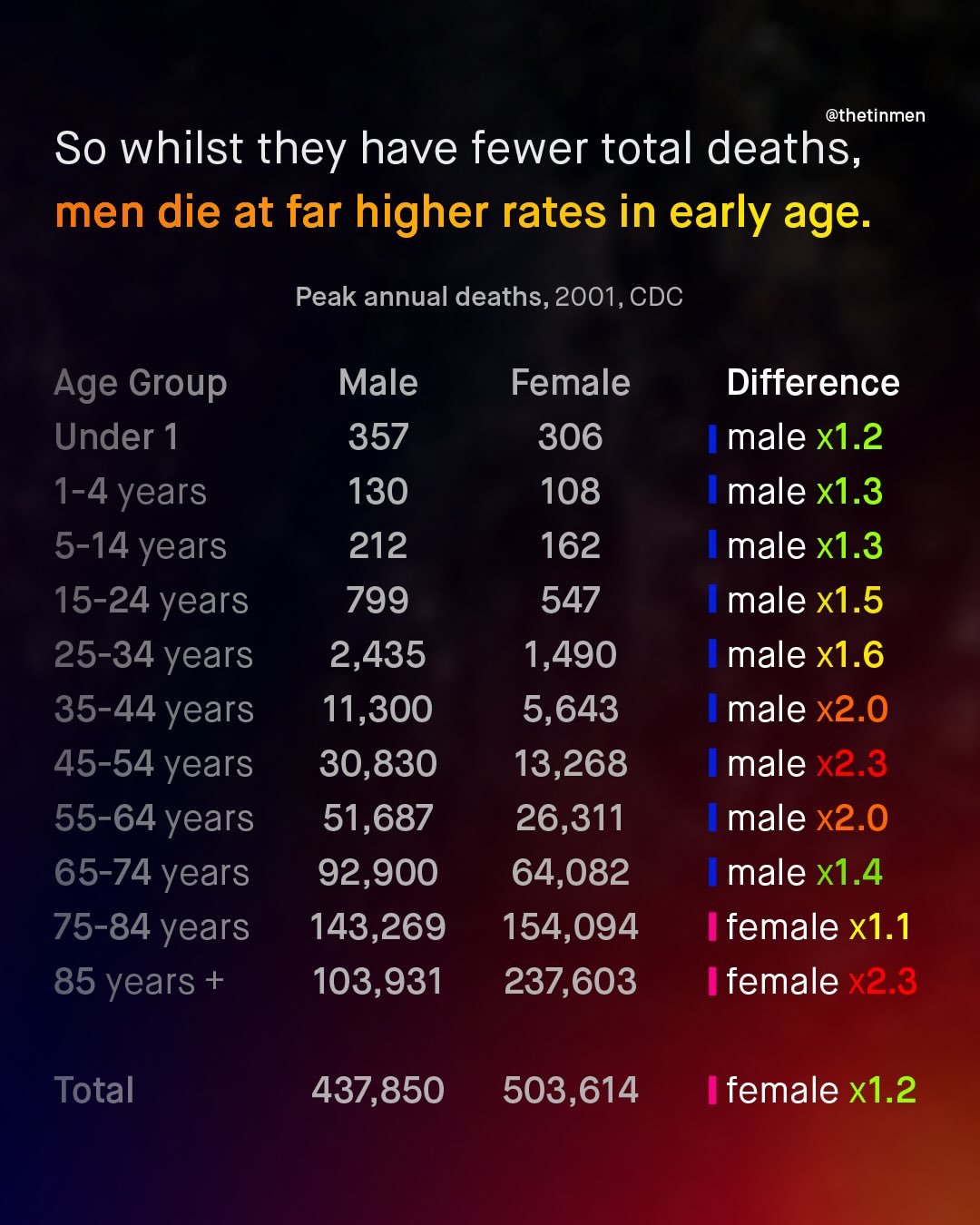
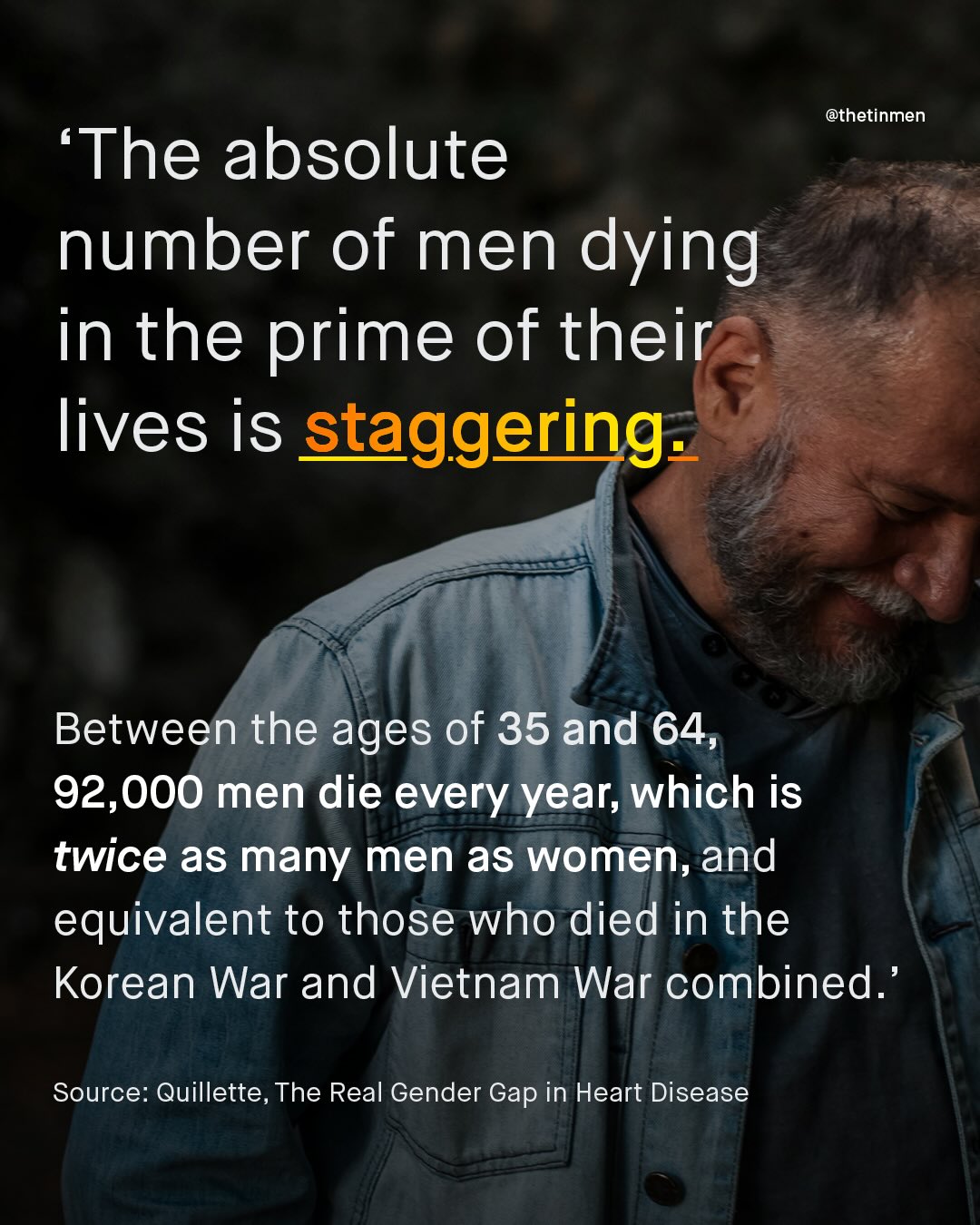
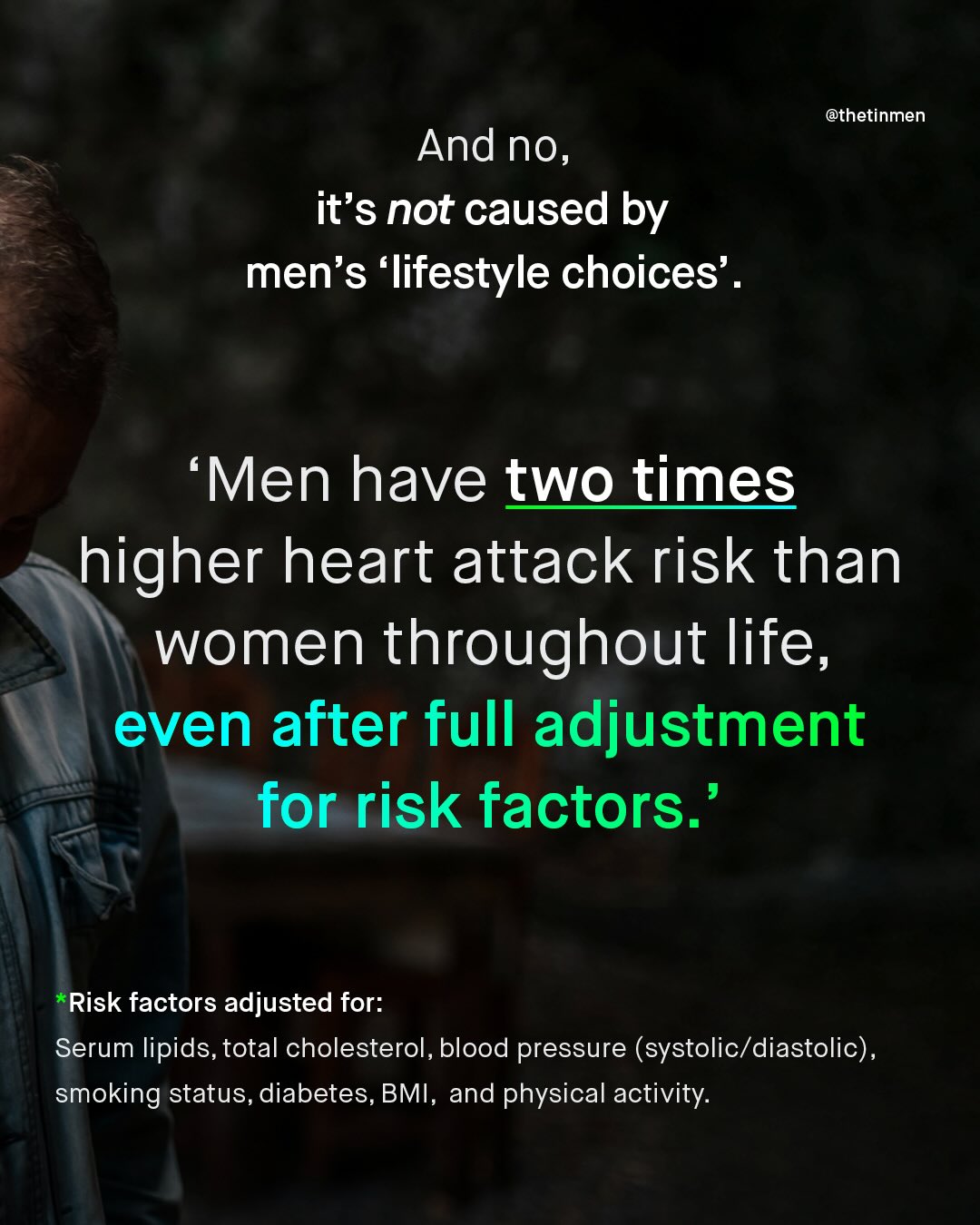
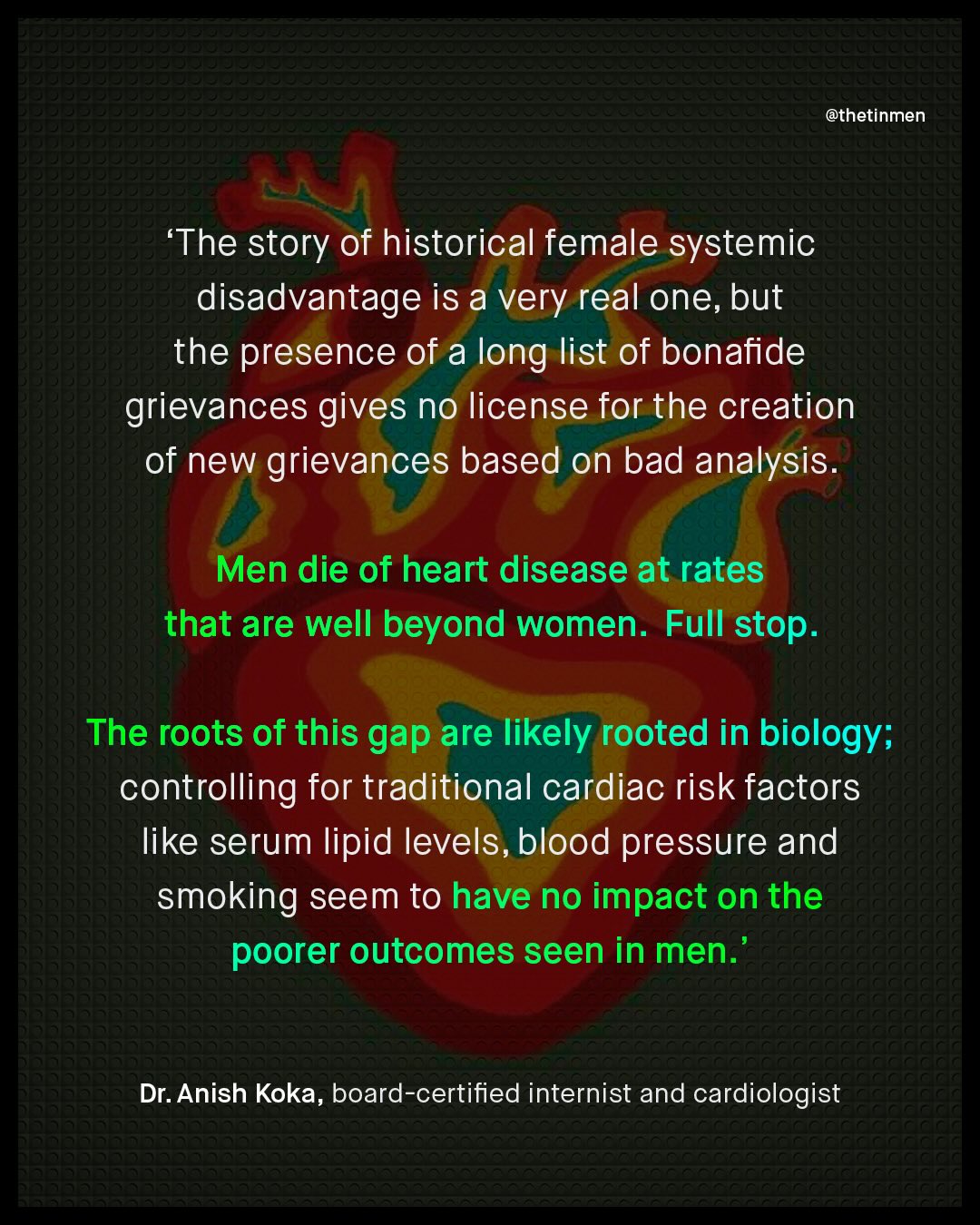
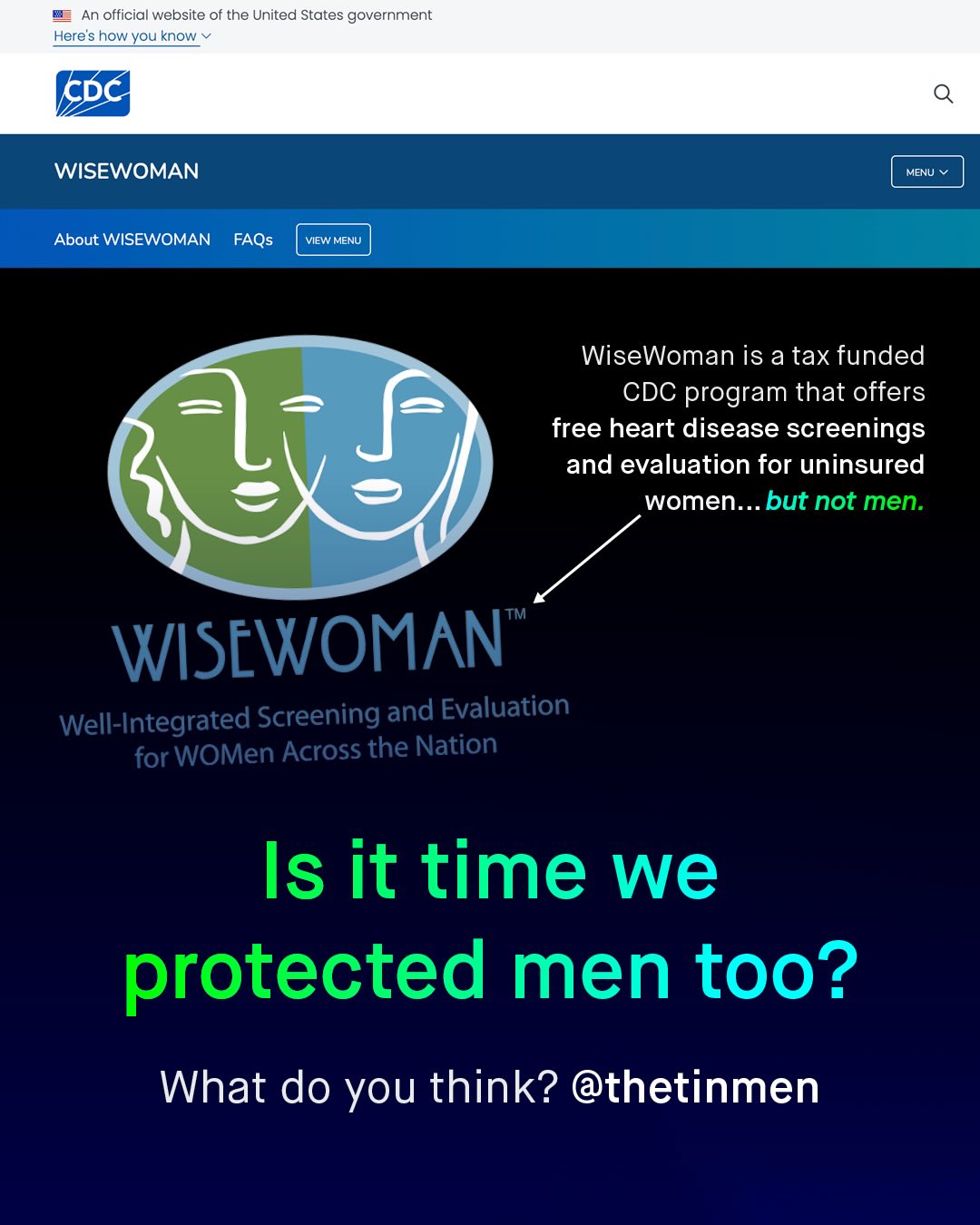

There is a secret that lurks in the medical profession, hidden within the folds of the so-called “gender gap in heart disease”. If you were to Google such a term, you will be confronted with numerous well-meaning and impactful claims about ‘women and heart disease’. Statements that women die more, that they’re more poorly treated, and have worse heath outcomes in heart disease than men. A quick check of the numbers will back this up as true. Yes, at its peak (2001) 503,614 women and 437,850 men in America died from Cardiovascular Disease, which is certainly a large and important difference. But if you look beyond crude numbers, and take into account age, you’ll see how misleading this ‘gender gap’ claim really is. Factoring in age, you will find men are far more likely to die from heart disease, in fact, 3-4 times more likely, as women. That is until age 75 and onward, when so many men have sadly died from the disease that the balance of total deaths tips, and women predominate in old age and in overall numbers. Yes. Tens of thousand MORE men die from heart disease, in every age group before 75, and are never mentioned in the context of “gender gaps”, with the opposite insisted instead. Of course, politics follows suit, perpetuating the lie that women are uniquely vulnerable; providing free, tax-funded heart disease screenings and evaluations for uninsured women… and not men. Similarly, the American Heart Association, and the British Heart Foundation, will run various campaigns and awareness raising efforts, dedicated to women, and not men, for the same reason. So men, who are significantly MORE at risk, are excluded from help, on the basis of bad mathematics and misleading stats. Men, as always, falling through the cracks, far more likely to die, whilst simultaneously being excluded from programs that might help save them. So is it time we broke down the data more fairly, to see the hidden risks that so many young men are silently facing? And is it time we gave men the same awareness raising, free screenings and evaluations that women already benefit from? What do you think?
2025-11-24