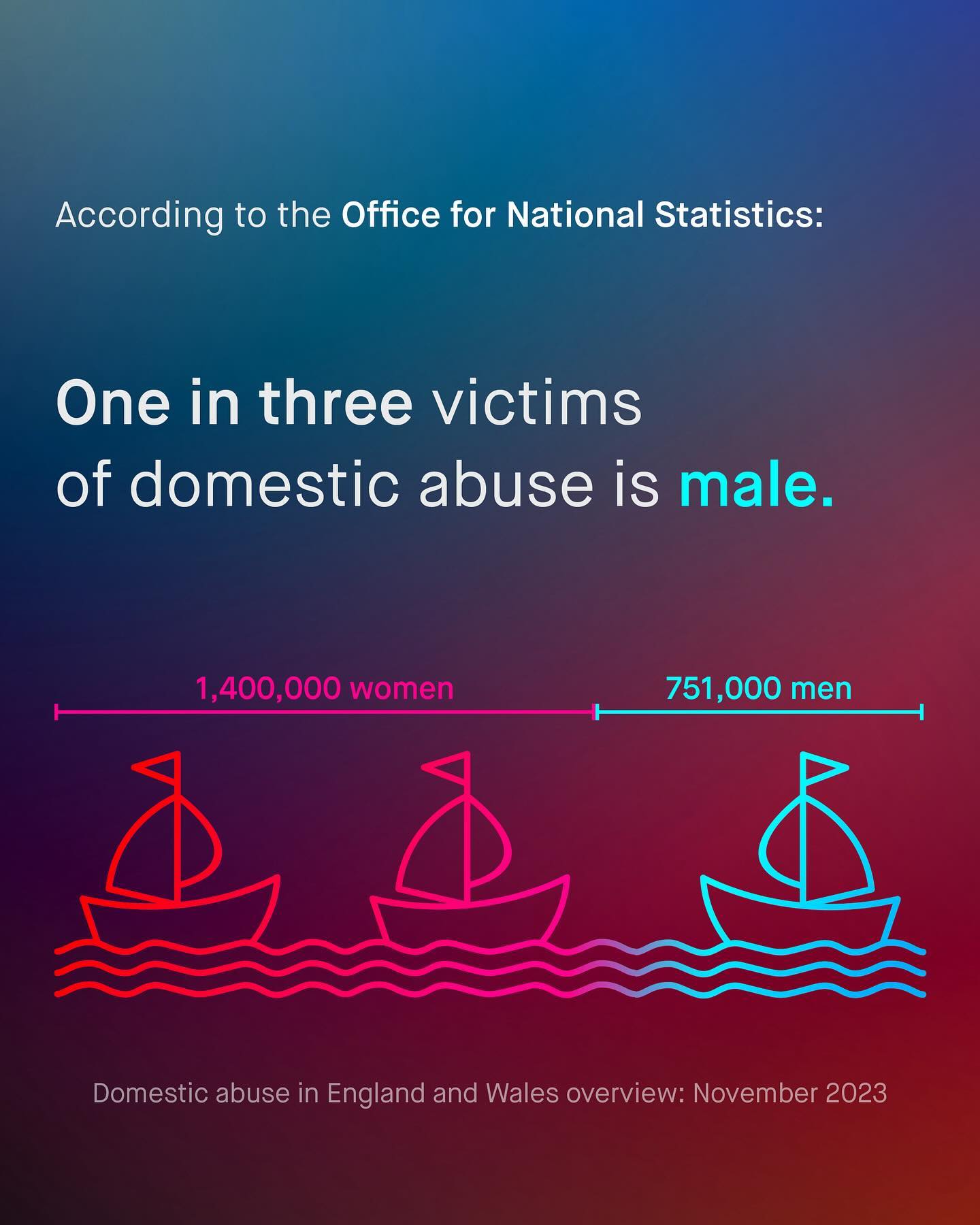
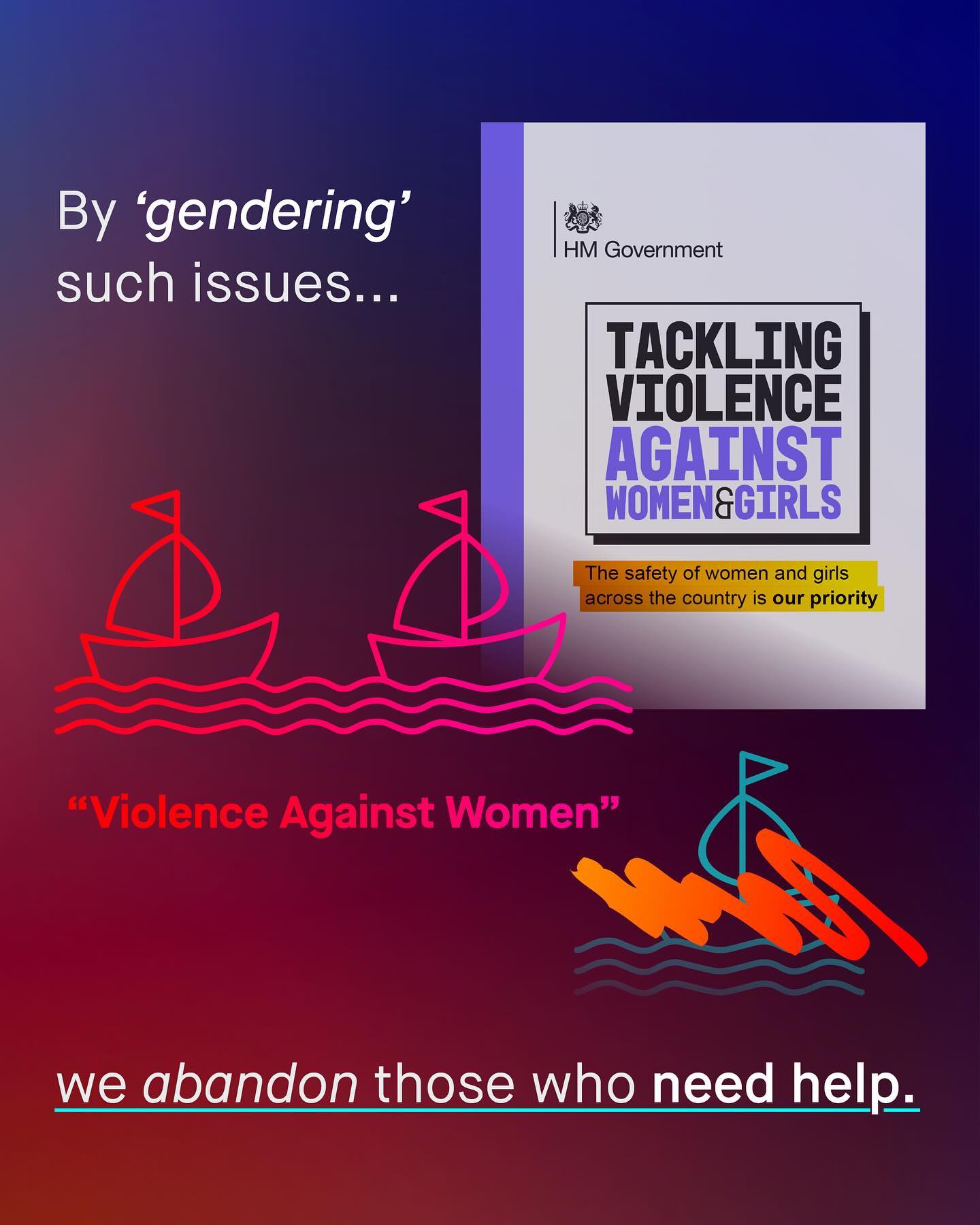
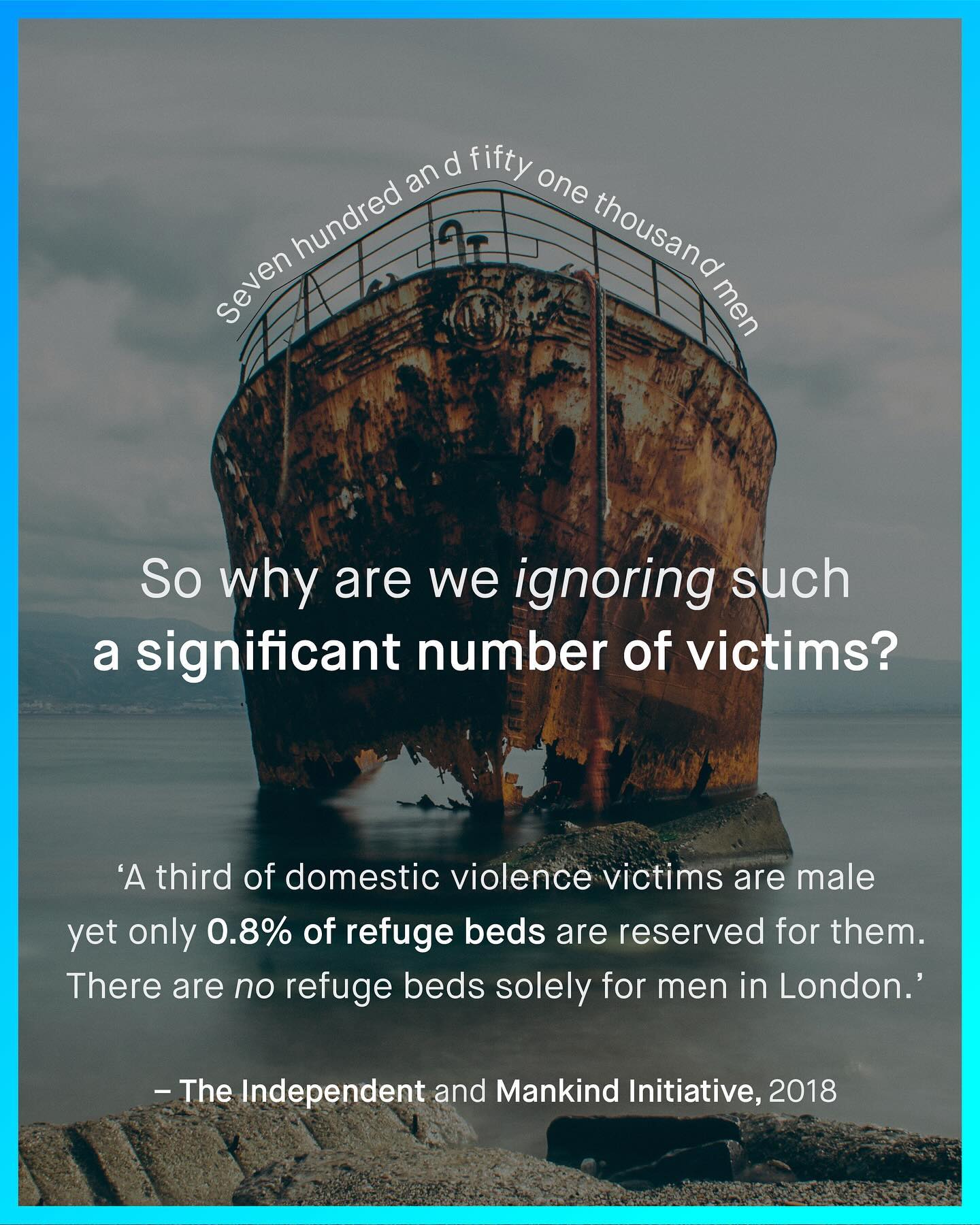
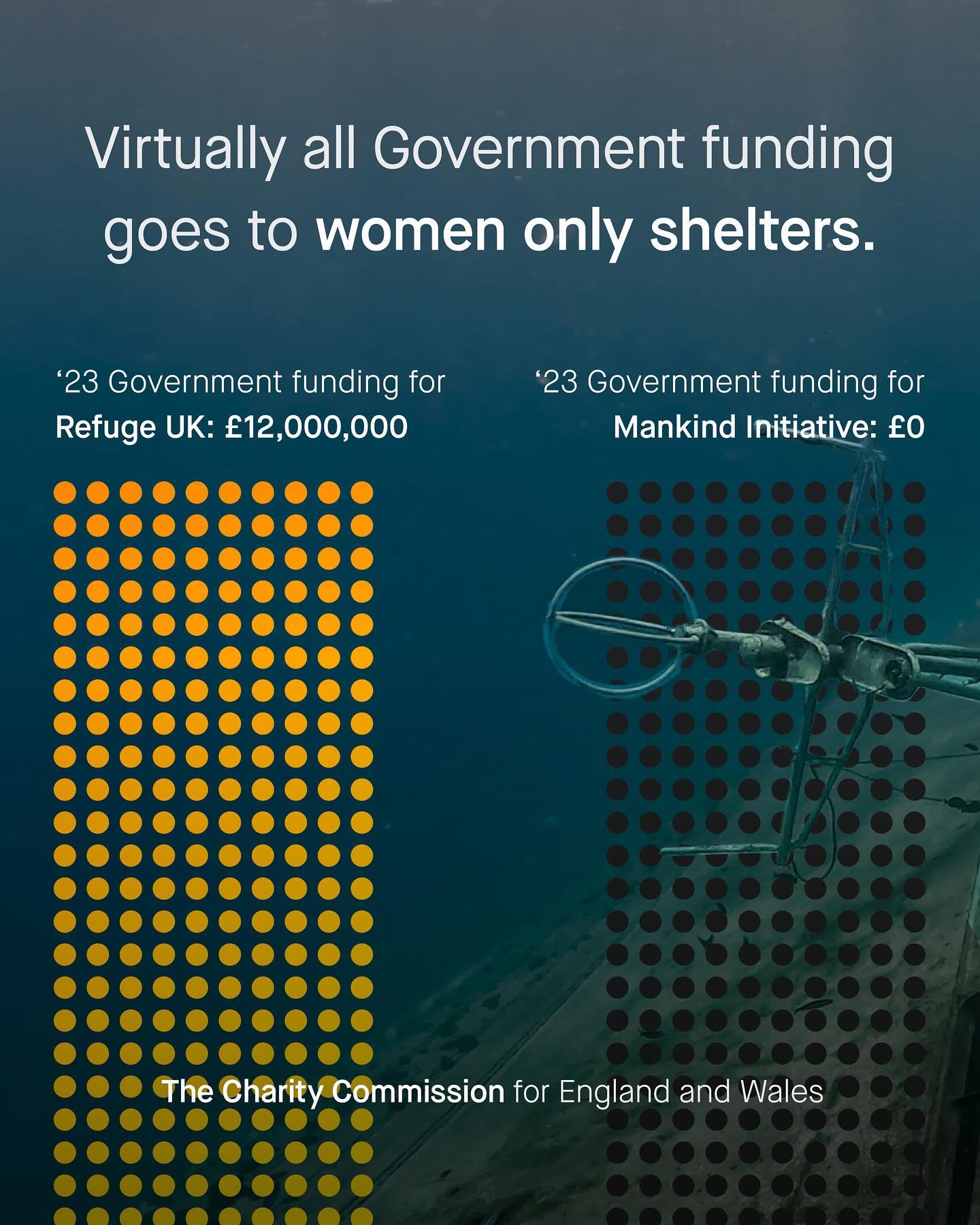
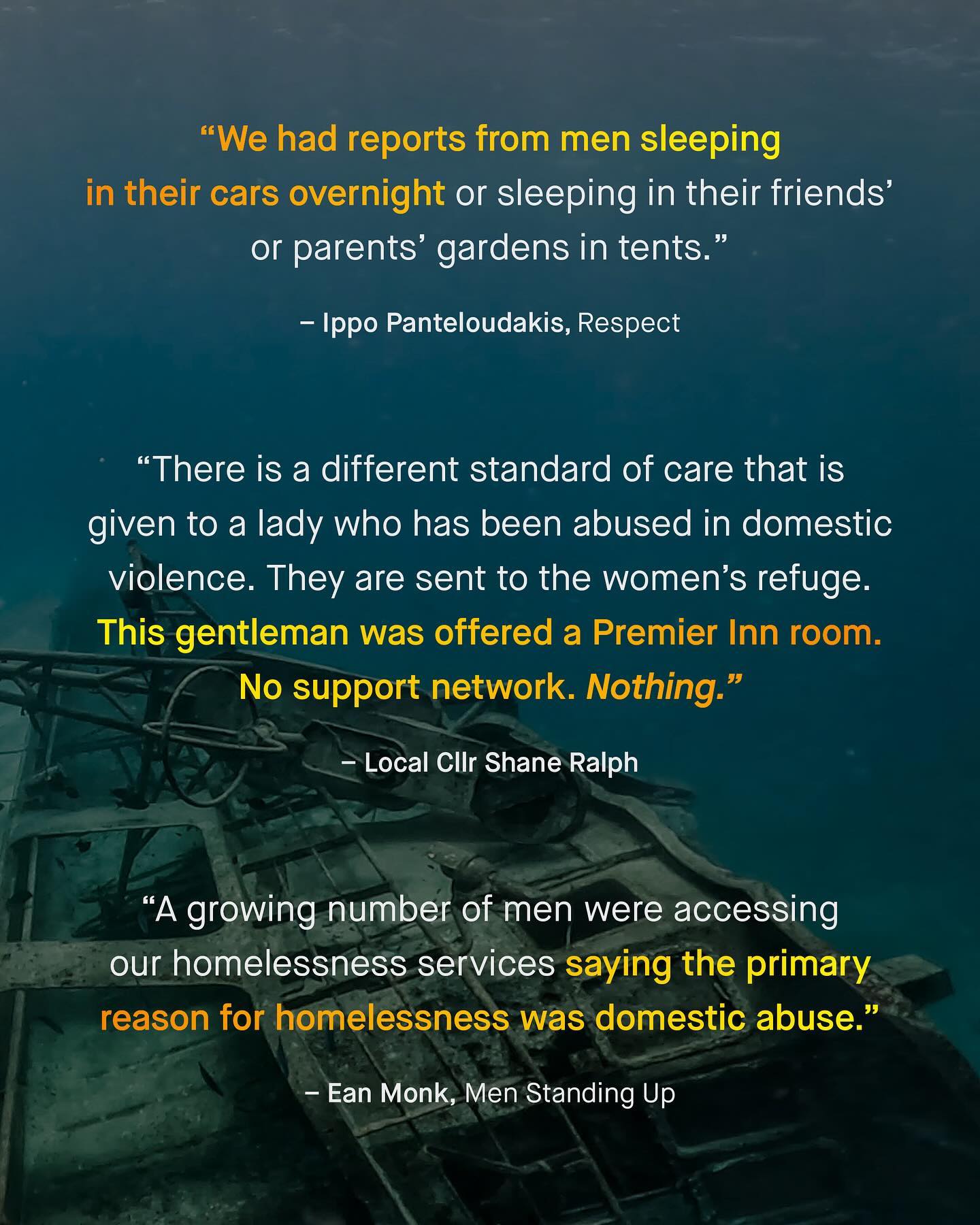
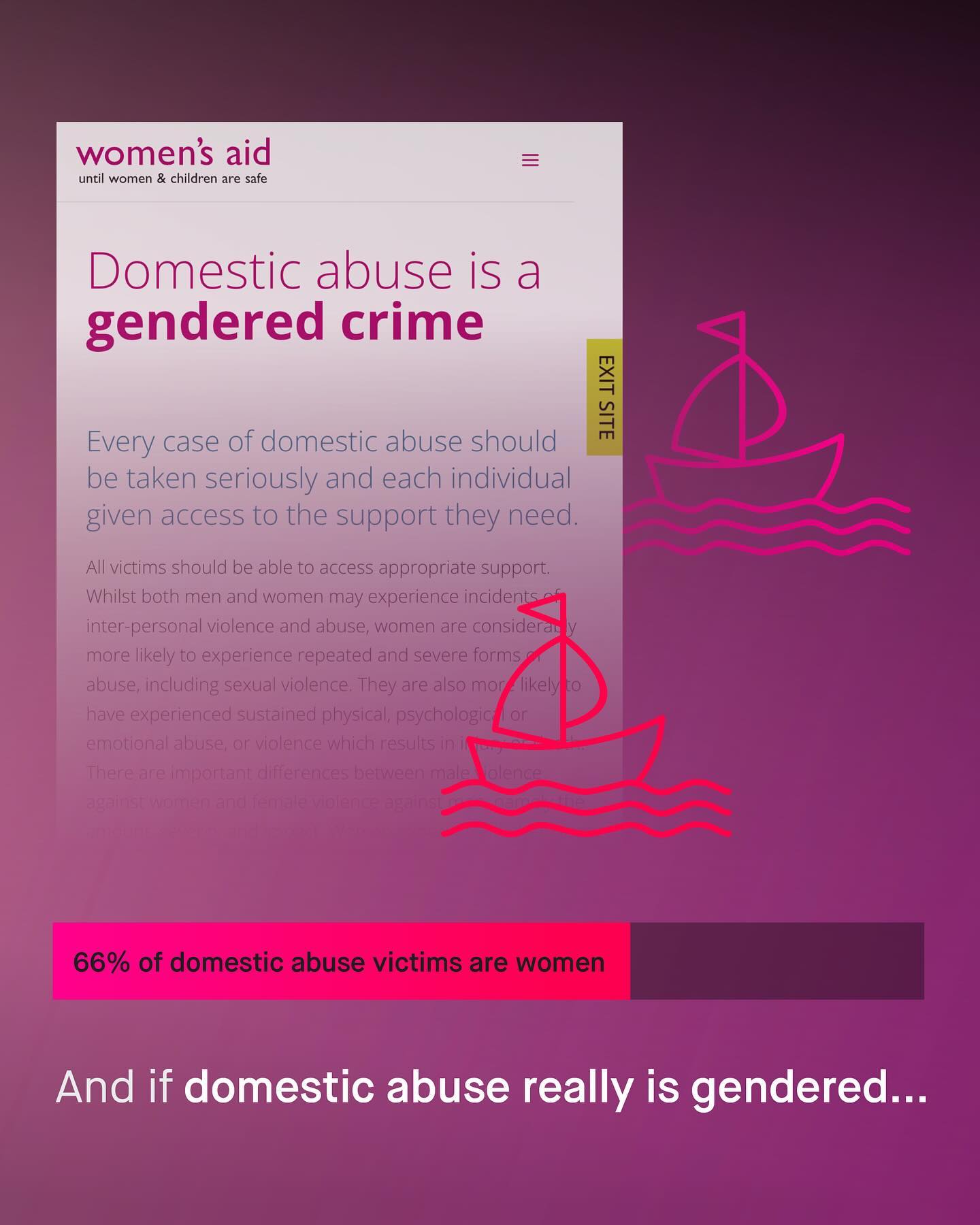
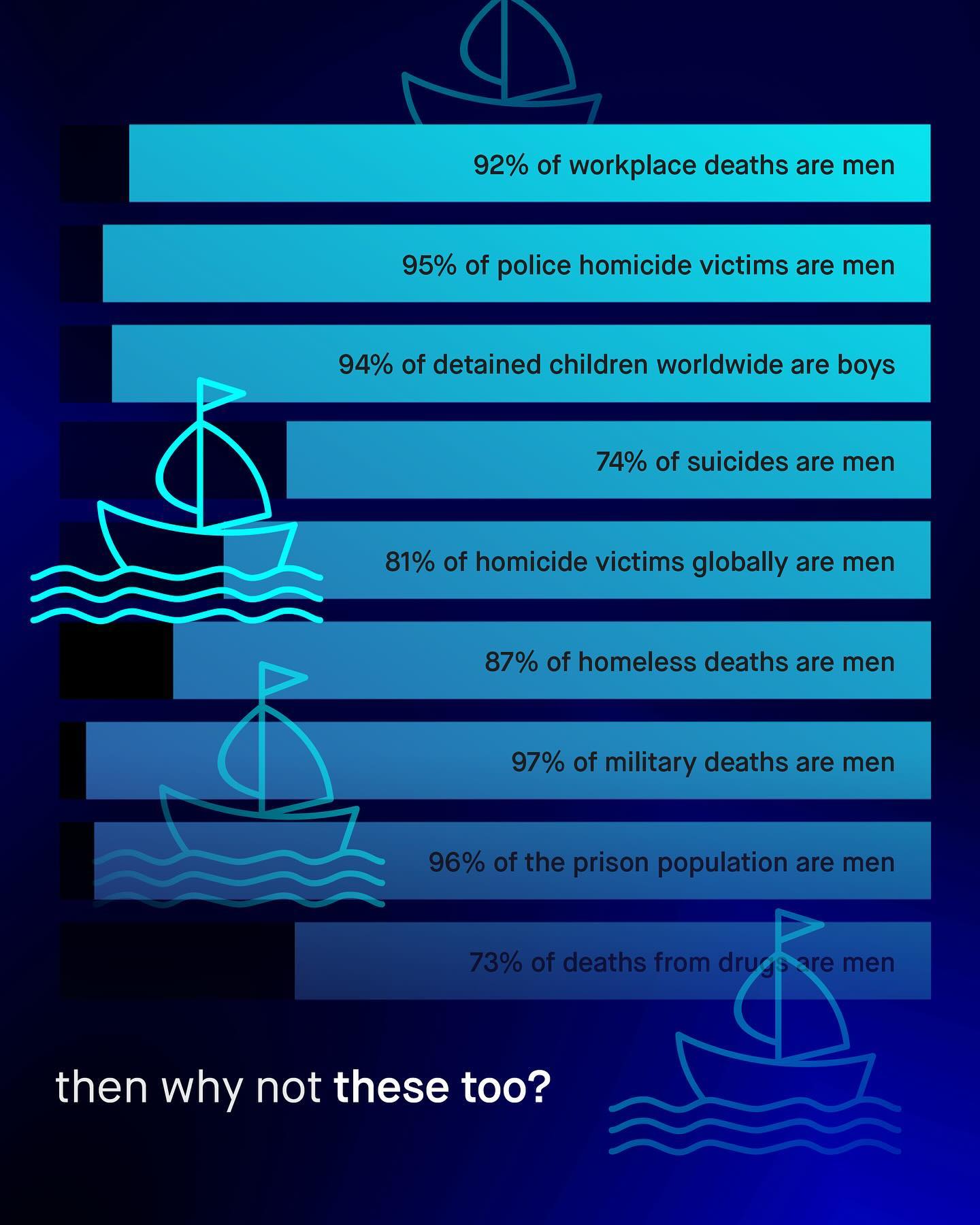
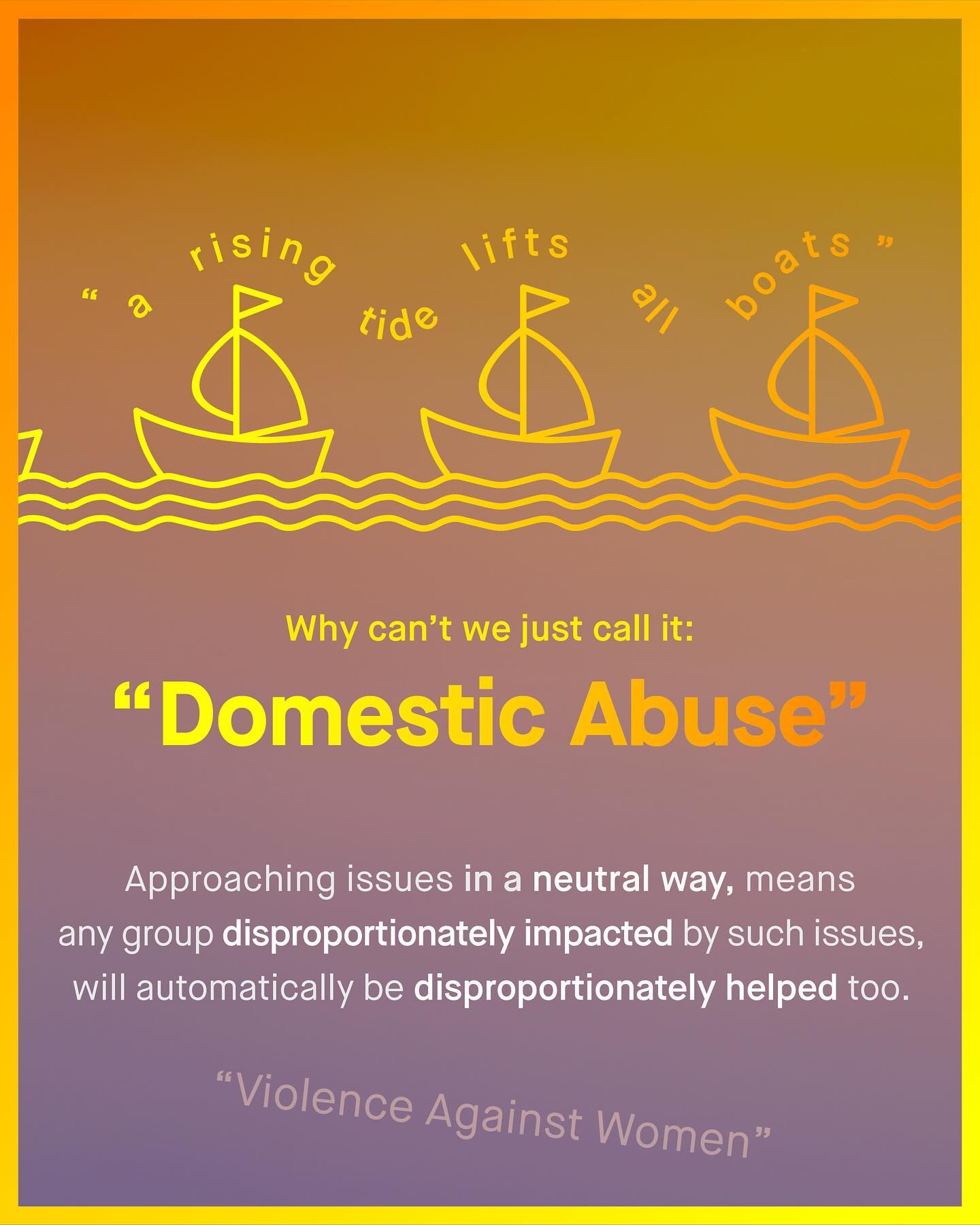
Within gender equality discourse, beady-eyed feminist beancounters eagerly click their pens and furrow their brows; waiting and watching as the great scales of social justice tip precariously. The moment one of these social issues, as they inevitably do, tips too far to disproportionately impact women and girls, then suddenly the great gavel of “GENDERED ISSUE” is stamped down upon it. Here are the facts – Domestic abuse impacts two women for every one man. That’s 2:1. Not a huge disparity, and the true number is likely a lot closer to parity. But still, it’s enough for that stamp of advocacy to come crashing down upon it, “gendering” the issue, and appropriating ‘domestic abuse’ into feminism’s great culture war against men. “Domestic abuse is a gendered issue”, it is decided. Except the inclusive term of ‘domestic abuse’ doesn’t quite cut it, and that too will need to be rebranded, spruced up with some kind of new fangled political neologism. Call it “Violence Against Women and Girls”. So the fight to end ‘VAWG’ swings the light of advocacy away from men, defining male victims out of the conversation; so that funding, policy, compassion, and research points one way… toward women. Of course, other social issues that see the same (or greater) disparity, but inverted against men, are never “gendered” in the opposite way; and such a suggestion will only draw the ire and shrieks of condemnation. So, what happened to just seeing ‘social issues’? Can we not solve the problem from all sides? And at what point does a minority become small enough, that the cold gavel of “gendered” advocacy is brought down upon them too? When will we look past this political caricature of “VAWG”, and instead help all victims of abuse? What do you think? ~ Illustrations by Jamie Akhtar Images by Sebastian Knoll, Ishan Seefromthesky, Giuseppe Murabito. ONS Data
2024-09-09