


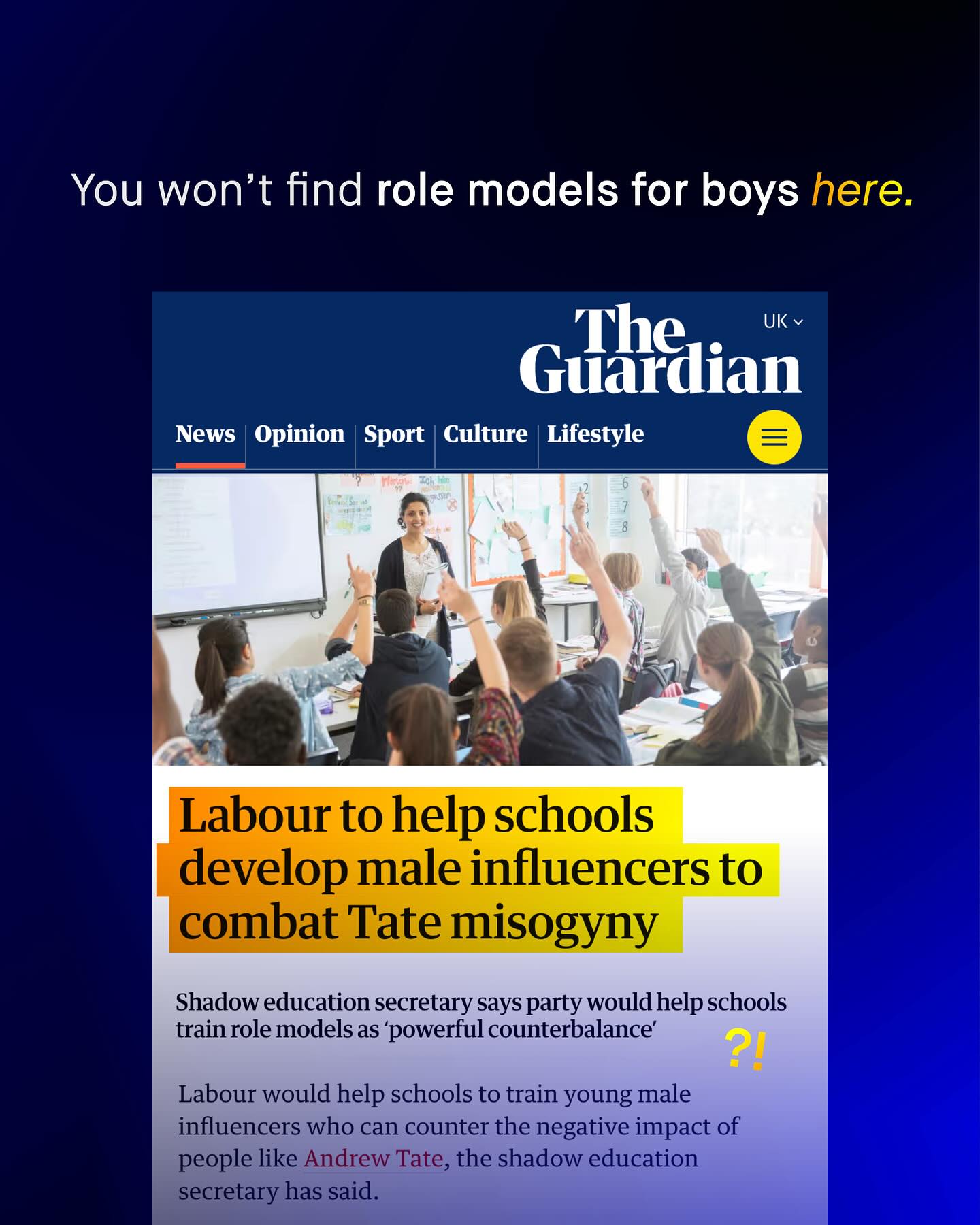
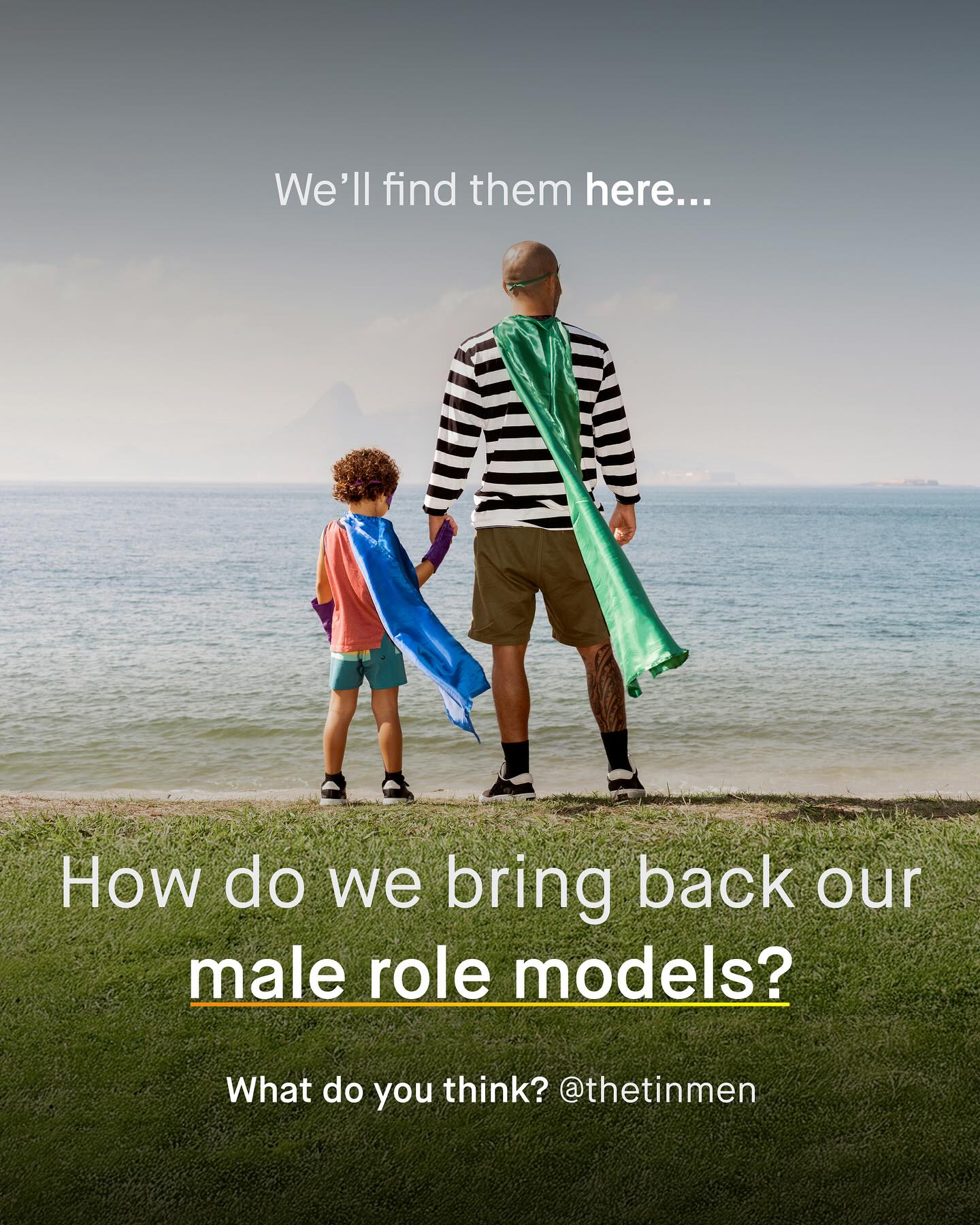
A few months ago, I sat on a panel discussing male suicide. At the end, a man, near the front row, shot up his hand to tell me a story. Sadly, it was one I hear far too often. He told me he was a father of a young child, who after a divorce, he hadn’t seen in over a year. Not through lack of trying, in fact, quite the opposite. Finding his child seemed like his greatest mission in life, but one he was failing at. He didn’t know where the mother had taken him, or even what school his child was at. Getting in touch was impossible, and finding them, even less likely than that. He seemed like a good man, and a loving father, broken, yearning for a missing part of himself he could never find. We talked a little, but there’s not much you can say to console a parent who’s lost their child, as much as I wish I could. A few questions later, another hand shot up. This time belonging to a younger woman, who I could say, seemed little more skeptical of what she had listened to that afternoon. Her question was one I so often hear too – Her arms were crossed tightly in front of her: “Well who are these male role models for boys, you keep talking about? Can you recommend books, or some celebrity, or, someone on social media?” Usually people scratch their head for a while over this. But to me, the answer seemed simple; in fact, it was sat in the seat right next to her. “That man just told you about how he is searching for his missing boy, do you think he’d make a good role model?” She didn’t answer. So I asked another – “Why don’t you ask him that question instead?” I see and hear a lot of things running @thetinmen. And perhaps most of all, I hear stories from broken fathers, and puzzled questions about “male role models for boys”. Well, one surely solves the other, if only we could bring them together. So, where are our male role models? And how do we bring them back to their families? What do you think?
2025-03-12